
Top Questions to Ask Your Home Exterior Painting Contractors Before Hiring
Selecting an exterior painting contractor requires careful evaluation of skills, materials and process. This guide lists focused questions to help homeowners assess contractors’ experience, chosen products, timelines and warranty terms. Use these items to verify qualifications, compare proposals and reduce the risk of common problems so you can hire a contractor who delivers a durable, well-executed result.
The article is organised to address contractor experience, material selection, scheduling, warranties and the licences to check. It also covers surface preparation methods and paint choices suited to your local climate.
Contractor Experience

Assess a contractor’s track record by asking about years in business, recent projects and client references. Reviewing completed work and references helps verify workmanship and consistency.
Some key questions to consider include:
- How long have you been in business?: This helps gauge their level of experience and stability.
- Can you provide references from past clients?: References offer a first-hand account of their work quality and customer service.
- What types of projects have you completed previously?: This allows you to determine if the contractor has relevant experience for your specific project.
Materials Used
Material selection directly affects durability and appearance. Ask which paint systems and primers the contractor recommends and why those choices suit your exterior surfaces.
When inquiring about materials, consider asking:
- What types of paint do you typically use?: Understanding what materials will be applied to your home gives you insights into potential longevity and maintenance.
- Are the paints weather-resistant?: Climate plays a significant role in paint performance, and weather-resistant options are key for exterior projects.
- What brands do you prefer?: Reliable brands often come with proven results and warranties.
Project Timelines
Clarify the project schedule, including start dates, expected duration and any factors that could affect the timeline. Clear schedules help you plan and avoid surprises.
Key questions regarding timelines include:
- What is your estimated completion time for my project?: Get a clear expectation of how long you’ll need to prepare for the work.
- How will you communicate progress updates during the project?: Effective communication keeps you informed and helps address any potential issues.
- What milestones should I anticipate throughout the project?: Milestones provide a structure for both you and the contractor to monitor progress.
Warranties
Warranties protect your investment by defining what is covered and for how long. Confirm whether warranties include labour, materials or both and request these terms in writing.
Consider these questions:
- What does your warranty cover?: It’s important to understand what aspects of the work are protected.
- How long is the warranty valid?: Knowing the duration helps you gauge the contractor’s confidence in their work.
- What steps should I take if I encounter a problem post-project?: Clarity on post-project support can save you headaches later.
How Do You Verify Painting Contractor Credentials and Licensing?
Confirming licences and credentials ensures legal compliance and industry-standard practice. The steps below outline how to verify these items.
- Check for a valid business license: Ensure the contractor is registered to operate in your state.
- Verify insurance coverage: Prospective contractors should carry liability insurance and workers’ compensation to protect you from potential liabilities.
- Request documentation: A reputable contractor should readily provide proof of their licenses and insurance.
What Licenses, Permits, and Insurance Should a Professional Exterior Painter Have?
Contractors may require state licences and local permits depending on the project scope; these legal requirements protect both parties and indicate professional practice. Verify required credentials before hiring.
- State Licensing: Many states require specific licenses for contractors. Confirm that your contractor holds the required state credentials.
- Operational Permits: Local permits may be necessary, especially if the project affects public spaces or structural integrity.
- Insurance Coverage: Contractors should carry both general liability and workers’ compensation insurance to protect themselves and their clients.
Studies and industry reports show that licensing, insurance and permitting requirements shape contractor operations and accountability.
Impact of Regulatory Compliance on Contractor Operations: Licensing, Insurance, Bonding, and Permitting
This capstone project investigates the impact of regulatory compliance mandates, specifically licensing, insurance, bonding, and permitting, on construction contractors in California. The study explores the central question: How do these regulatory frameworks influence contractors’ operational capacity and business expansion potential? To address this, qualitative interviews were conducted with six industry stakeholders, comprising general contractors, specialized contractors, and design-build organizations. How Regulations Impact Contractors in California: Licensing, Insurance, Bonding & Permitting, 2025
How Can You Confirm a Contractor’s Insurance and Bonding Status?
Request current insurance certificates and confirm coverage limits with the insurer. Ask about bonding and verify the bond status when applicable. Contractors who refuse to provide documentation should be treated cautiously.
- Request copies of insurance certificates: Ensure they are currently valid and cover your specific project.
- Contact their insurance provider: This can confirm the status and coverage amounts directly.
- Look for any red flags: Be wary of contractors who are hesitant to share this information.
What Are the Key Surface Preparation Techniques for Exterior Painting?
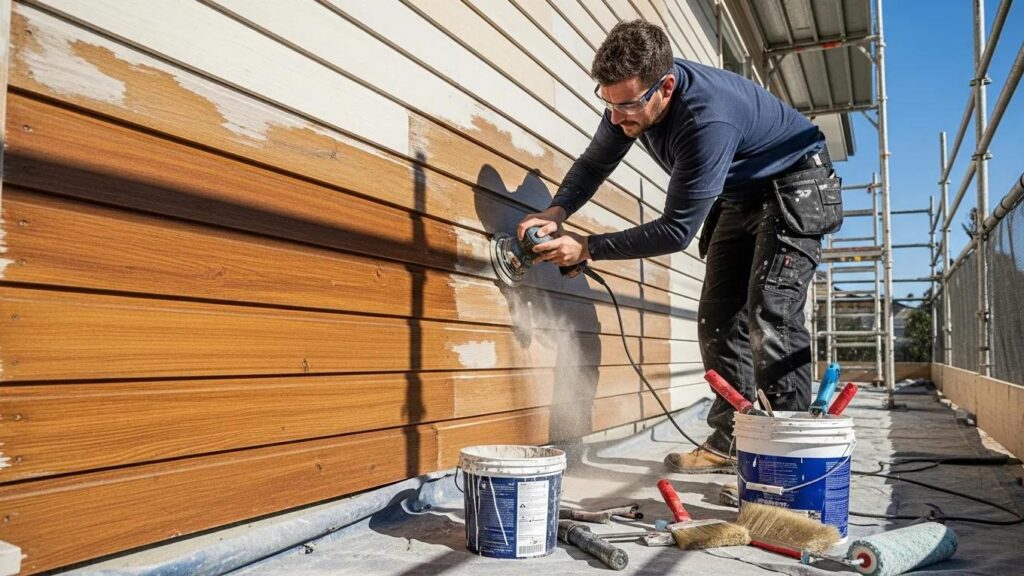
Effective surface preparation is the foundation of a durable paint job. Typical steps include cleaning, repairing damaged areas and applying primer where needed to promote adhesion and longevity.
- Inspection and cleaning: Ensure surfaces are clean, dry, and free of debris.
- Repairing damage: Addressing any necessary repairs, such as filling holes or replacing damaged wood, is important.
- Priming for adhesion: A primer is often necessary, especially on porous surfaces, to ensure the paint adheres properly.
| Preparation Technique | Purpose | Benefit |
|---|---|---|
| Cleaning | Remove dirt and mildew | Prepares surface for better paint adhesion |
| Repairing | Fix imperfections | Ensures a smooth finish and prevents issues |
| Priming | Base layer for paint | Improves adhesion and durability of the paint |
Proper preparation has a measurable effect on finish quality and lifespan, which is why experienced contractors such as Pro Painting emphasise these steps in their process.
Why Is Sanding, Caulking, and Priming Necessary Before Painting?
Sanding removes rough areas that impede adhesion. Caulking seals gaps to prevent moisture intrusion and deterioration. Priming provides a stable base that improves paint performance and uniformity.
- Sanding: Smooths out imperfections and rough spots for better adhesion.
- Caulking: Seals gaps to prevent moisture from entering, which can lead to mold and peeling paint.
- Priming: Creates a conducive surface for paint application, enhancing lasting results.
Including these steps in the work sequence reduces the likelihood of premature failure and extends the effective service life of the coating.
How Does Proper Preparation Affect Paint Durability and Weather Resistance?
Well-prepared surfaces improve adhesion and reduce common failures such as peeling and blistering. Key measures include surface abrasion, correct primer selection and sealing vulnerable joints against moisture.
- Cleaning and roughening surfaces: Prepares the substrate to bond effectively with paint.
- Correct priming: Ensures a reliable performance by creating a suitable base.
- Mitigating moisture infiltration: Caulking and other sealing techniques keep the elements at bay.
When you hire a contractor with proven methods, including Pro Painting, you should expect those preparation practices to be applied consistently to improve durability and resistance to local weather conditions.
Which Paint Products and Brands Are Best Suited for Southeast Michigan Homes?
Select paints formulated for the region’s temperature swings and moisture exposure. The right contractor will recommend products that balance longevity, colour retention and maintenance requirements for Southeast Michigan.
Some considerations might include:
- Local weather patterns: Paint should resist fading and mildew.
- Long-lasting finishes: Look for brands known for durability in outdoor conditions.
- Eco-friendly options: Low-VOC paints can improve air quality and reduce environmental impact.
What Types of Exterior Paints Offer Optimal Weather Protection in Local Climate?
Choose paints tested for UV stability, moisture resistance and thermal cycling. Products designed for cold winters and humid summers will better withstand cracking and loss of adhesion.
- Resistance to weather elements: Look for paints specifically tested for UV and moisture resistance.
- Durability against local conditions: Paints designed for cold winters and humid summers are preferred.
- Finish types: Different finishes (e.g., satin, flat, gloss) can have varied impacts on longevity and maintenance.
How Do Paint Quality and Warranty Terms Impact Long-Term Performance?
Higher-grade paints typically offer better colour retention and weather resistance, reducing maintenance frequency. Review warranty terms to understand coverage length and conditions, since warranty scope affects long-term value.
- Long-term protection: Quality paint typically comes with warranties lasting several years.
- Maintenance economies: Better paint means less frequent repainting and associated costs.
- Comparing warranties: Always assess the warranty terms to ensure that you are making a sound investment.
How Should Homeowners Choose Exterior Colors to Match Architectural Styles?
Select colours that complement your home’s architectural elements and surrounding context. Test samples on the exterior and observe them at different times of day before finalising a choice.
- Understanding architectural styles: Certain colors complement specific design elements better than others.
- Nature-inspired colors: Draw inspiration from the surroundings to help your home blend seamlessly with its environment.
- Testing colors in different lighting: Observing the paint in various lights can prevent unfortunate choices.
How Can Contractors Provide Expert Guidance on Color Choices?
Qualified contractors advise on palettes that suit home style and site conditions. They can explain how colour interacts with materials and light, and recommend approaches such as accent trims or coordinated schemes.
- Understanding the psychology of color: They know how different colors can evoke feelings and impact curb appeal.
- Regional trends: Professionals can provide insight into popular color palettes that resonate well with homeowners in your area.
- Applying techniques effectively: Contractors can recommend techniques such as color blocking or multi-color schemes to create a unique look.
What Project Expectations and Cleanup Processes Should You Discuss Before Hiring?
Agree on preparation methods, expected disruption and the scope of final cleaning before work begins. Clear terms reduce disputes and set measurable expectations for site condition at project completion.
- Preparation procedures: Confirm the contractor’s approach to preparing the space for painting.
- Expectations on disruption: Discuss how the project might impact your daily activities.
- Detailed cleaning process: Understand what cleanup will occur post-project to prevent leftover debris.
How Long Will the Exterior Painting Project Take and What Are the Key Milestones?
Request a schedule that lists preparation, paint application phases and final inspection. Milestones provide checkpoints to monitor progress and quality throughout the work.
- Initial preparation phases: Learn how long setup and repairs may take.
- The actual painting process: Understand painting durations for different areas.
- Final inspection steps: Know when and how the contractor will conduct the final checks for quality assurance.
What Cleanup and Post-Painting Inspections Should Be Included?
A professional contract should specify cleanup responsibilities, tool care and a final walk-through to confirm completed work and identify any corrective items prior to final payment.
- Surface cleaning: Removal of paint splatter and other debris is important.
- Tool and equipment care: Confirm that the contractor cleans and stores their tools appropriately.
- Inspection of finished work: Ensure that there is a walk-through to address any concerns post-project.
What Questions Should You Ask Before Signing a Contract with Exterior Painting Contractors?
Before you sign, confirm the contractor’s qualifications, the full scope of preparatory work and the specific products and methods to be used. Clear contractual terms protect your investment.
- Experience and qualifications: Make sure the contractor has the relevant qualifications for the job at hand.
- Project scope and preparation: Understand what the contractor will do in terms of preparation and painting.
- Materials and techniques used: Gain insight into what products and methods will be applied, protecting your investment.
What Detailed Items Must Be Included in the Painting Contract?
Include a precise scope of work, detailed material specifications and clear payment terms. These items reduce ambiguity and provide enforceable expectations for both parties.
- Scope of work definition: Clearly outline the tasks involved in the job.
- Materials specification: Detail the types of paint and tools to be used.
- Payment terms explanation: Understand the payment schedule and conditions.
How Do Contractors Address Unforeseen Weather Impacts and Project Delays?
Discuss contingency plans for adverse weather, including schedule adjustments and protective measures. Contractors should explain how they will communicate changes and reschedule affected work.
- Flexible scheduling: Contractors should have contingency plans for inclement weather.
- Use of specialized materials: Some contractors can offer weather-resistant products to mitigate delays.
- Backup plans for delays: Good contractors will preemptively discuss how they will manage potential disruptions.
Selecting a contractor requires careful questioning and verification. Prioritise documented experience, appropriate materials, realistic timelines and clear warranty terms to secure a professionally executed exterior paint project.
Frequently Asked Questions
1. What should I look for in contractor reviews?
Look for specific comments about final results, timeliness and how the contractor resolved problems. Reviews that reference completed projects, photos and direct client contact details provide stronger evidence of consistent performance.
2. How do I know if a contractor's pricing is reasonable?
Ask for itemised estimates from several contractors and compare labour, materials and contingencies. Check local rate guides and balance cost against the quality of specified products and documented experience.
3. What steps should I take if I have issues with the completed work?
Document the issues with photos and written descriptions, then contact the contractor with this evidence. If the contractor does not address the problem, follow the contract’s dispute process and consider mediation or legal advice if required.
4. What environmental considerations should I keep in mind?
Choose low-VOC paints to reduce harmful emissions and ask about responsible disposal of leftover materials. Request information on environmental practices for containment and waste handling.
5. How can I prepare my home before the painting starts?
Remove furniture and decorations from work areas, clear access routes and communicate any special requirements such as pet or allergy concerns. Good preparation speeds work and reduces the risk of accidental damage.
6. What is the importance of color consultation with my contractor?
A colour consultation helps ensure chosen shades suit the home’s architecture and local context. Contractors can provide sample applications and practical guidance on how colours perform outdoors over time.
7. How do exterior painting jobs affect my home’s resale value?
High-quality exterior painting improves curb presentation and signals proper maintenance, which can support higher offers. Durable materials and timeless colour choices reduce near-term maintenance costs and preserve value.
Conclusion
Choosing the right exterior painting contractor protects your investment and reduces the likelihood of future issues. Use the questions and contract items in this guide to compare proposals, verify credentials and secure clear warranty and schedule terms. Contact qualified contractors for written estimates to begin the selection process.
Comments are closed