
Industrial painting and coatings play a crucial role in protecting surfaces within factories and commercial properties. These specialized coatings not only enhance the aesthetic appeal but also provide essential protection against wear, corrosion, and environmental factors. In this guide, we will explore the various aspects of industrial painting, including material selection, application techniques, and maintenance strategies. Understanding these elements is vital for ensuring the longevity and effectiveness of coatings in industrial settings. This article will cover the importance of industrial painting, the types of materials used, and how to choose the right services for your needs.
Industrial painting involves applying protective coatings to surfaces in industrial environments, ensuring durability and safety. These coatings are designed to withstand harsh conditions, including chemical exposure, moisture, and physical abrasion. The primary benefit of industrial painting is its ability to extend the lifespan of structures and equipment, reducing maintenance costs and downtime. This guide aims to provide a comprehensive overview of industrial painting and coatings, focusing on their importance, types, and application methods.
The critical analysis of materials and strategies for coatings in extreme industrial environments further underscores the importance of selecting the right protective solutions.
Coatings for Extreme Industrial Environments: Materials & Strategies
The aim of this paper is to present a critical analysis of existing methodologies, approaches and strategies used to develop materials systems and coatings for uses in extreme environments. The extreme or harsh conditions encompass a large variety of in-service forms such as: extreme temperatures, abrasion, corrosion, impact and radiation that can exist in various applications such as those associated with aerospace and aeronautical engineering, land and marine transport, manufacturing machinery, and even microelectronics products. This article describes how working environment and required service performance of a particular part or structure could affect the choice of materials and surfaces to which it is composed.
The methodologies and strategies for the development of novel material systems and coatings for applications in extreme environments-a critical review, A Rinaldi, 2018
Industrial painting is essential for protecting surfaces from corrosion, wear, and environmental damage. It involves the application of specialized coatings that enhance durability and safety. The primary mechanisms behind industrial painting include the formation of a protective barrier that prevents moisture and chemicals from penetrating the surface. This barrier not only prolongs the life of the materials but also contributes to the overall aesthetic appeal of the facility. Understanding the significance of industrial painting is crucial for maintaining the integrity of industrial structures.
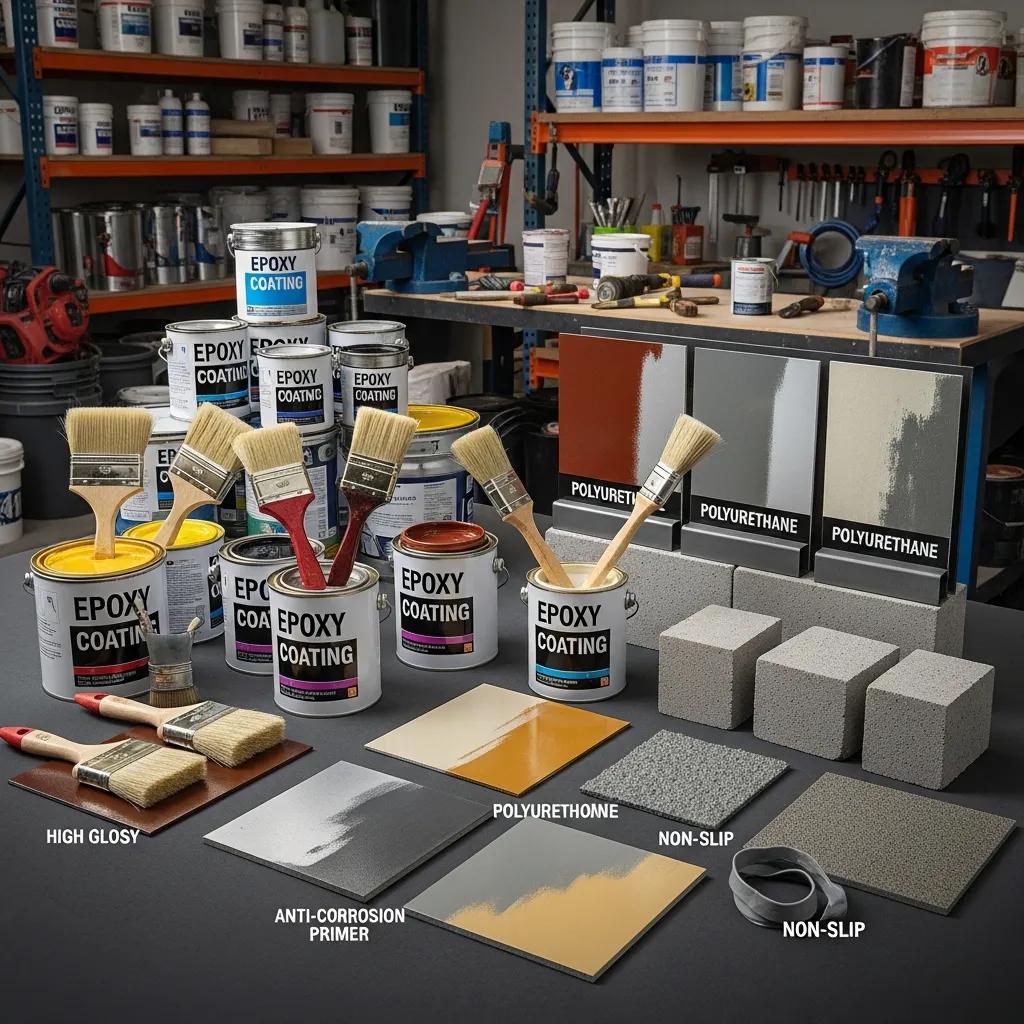
Choosing the right materials for industrial painting is critical to achieving optimal results. Various types of coatings are available, each with unique properties and benefits. The most common materials used in industrial painting include:
| Coating Type | Description | Benefits |
|---|---|---|
| Epoxy Coatings | Durable and chemical-resistant | Excellent adhesion and longevity |
| Polyurethane Paints | Flexible and UV-resistant | Ideal for outdoor applications |
| Zinc-Rich Coatings | Provides corrosion protection | Effective for metal surfaces |
Selecting the appropriate coating depends on the specific requirements of the project, including environmental conditions and surface materials.
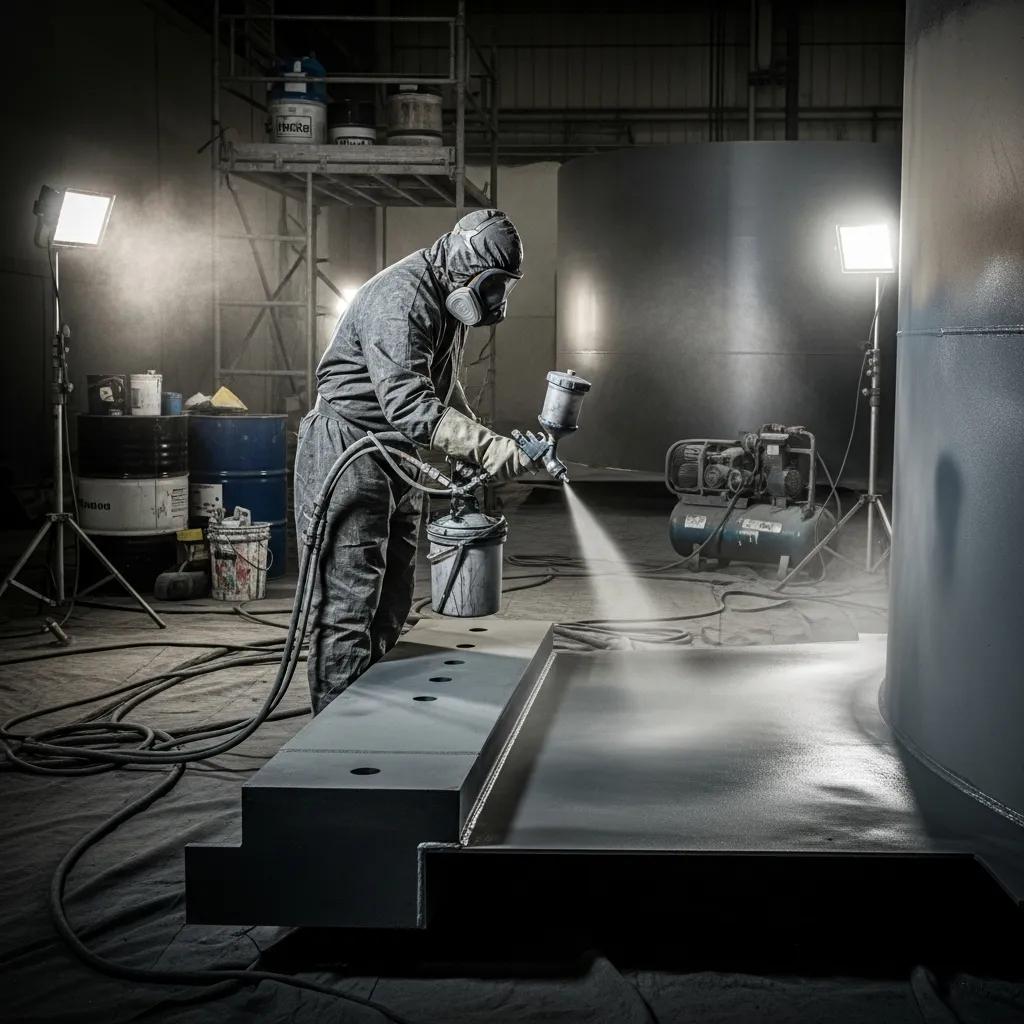
The application of industrial coatings requires careful consideration of techniques to ensure optimal adhesion and durability. Key methods include:
Understanding these techniques helps ensure that the coatings are applied correctly, maximizing their protective qualities.
Maintaining industrial coatings is vital for ensuring their longevity and effectiveness. Regular inspections and maintenance practices can help identify issues before they escalate. Key strategies include:
Implementing these maintenance strategies can significantly extend the life of industrial coatings and reduce overall costs.
Selecting the right contractor for industrial painting is crucial for achieving high-quality results. When evaluating potential services, consider the following factors:
GetPro Painting is a professional painting service provider focused on industrial painting and concrete coatings, targeting Southeast Michigan. Their expertise in factory painting and industrial coatings ensures that clients receive high-quality workmanship tailored to their specific needs.
Industrial coatings can be categorized into several types, each serving distinct purposes. The key types include:
Understanding these types helps in selecting the right coating for specific industrial applications.
Epoxy and polyurethane coatings offer unique protective benefits. Epoxy coatings create a hard, durable surface that resists chemicals and abrasion, making them ideal for heavy-duty applications. In contrast, polyurethane coatings provide flexibility and UV resistance, which is essential for outdoor environments. Both types of coatings enhance the longevity of industrial surfaces, ensuring they remain functional and visually appealing.
Research into epoxy resin coatings highlights their superior mechanical, electrical, and chemical resistance properties, making them highly valuable in industrial applications.
Epoxy Resin Coatings: Superior Properties & Industrial Applications
Epoxy resins find application because of their superior properties, which include both processing and those of the cured resin. The processing is convenient since it is possible to formulate compositions with the required rheological properties, such as low viscosity, and there is also a wide choice of hardeners so that it is possible to cure at ambient as well as elevated temperatures. Their mechanical and electrical properties are superior to other resins and they have good heat and chemical resistance.
Coatings and other applications of epoxy resins, 1993
Anti-corrosion coatings are vital in industrial settings where metal surfaces are exposed to moisture and chemicals. The benefits include:
Surface preparation is a crucial step in the industrial painting process. Proper preparation ensures that coatings adhere effectively, which is essential for their performance. Key aspects of surface preparation include:
Common techniques for surface preparation include:
These techniques ensure that surfaces are adequately prepared for coating application, leading to better results.
Proper surface cleaning is essential for the durability of coatings. Contaminants such as dust, oil, and grease can hinder adhesion, leading to premature failure of the coating. Ensuring that surfaces are clean allows for better bonding, which enhances the overall performance and longevity of the coating.
Commercial concrete and epoxy floor coatings offer several advantages, including:
Epoxy floor coatings significantly enhance factory floor performance by providing a smooth, durable surface that resists chemicals and abrasions. This not only improves safety by reducing slip hazards but also facilitates easier cleaning and maintenance, contributing to a more efficient working environment.
To extend the life of concrete coatings, consider the following maintenance practices:
Industrial paint contractors play a crucial role in ensuring that painting projects meet quality and compliance standards. They must adhere to industry regulations and best practices to deliver effective results. Key strategies include:
Several standards guide industrial painting and protective coatings, including:
Local experts in Southeast Michigan, like GetPro Painting, tailor coating solutions to meet the specific needs of the region. They consider factors such as local climate, environmental conditions, and industry standards to provide effective and durable coatings. Their expertise ensures that clients receive customized solutions that enhance the longevity and performance of their industrial surfaces.