
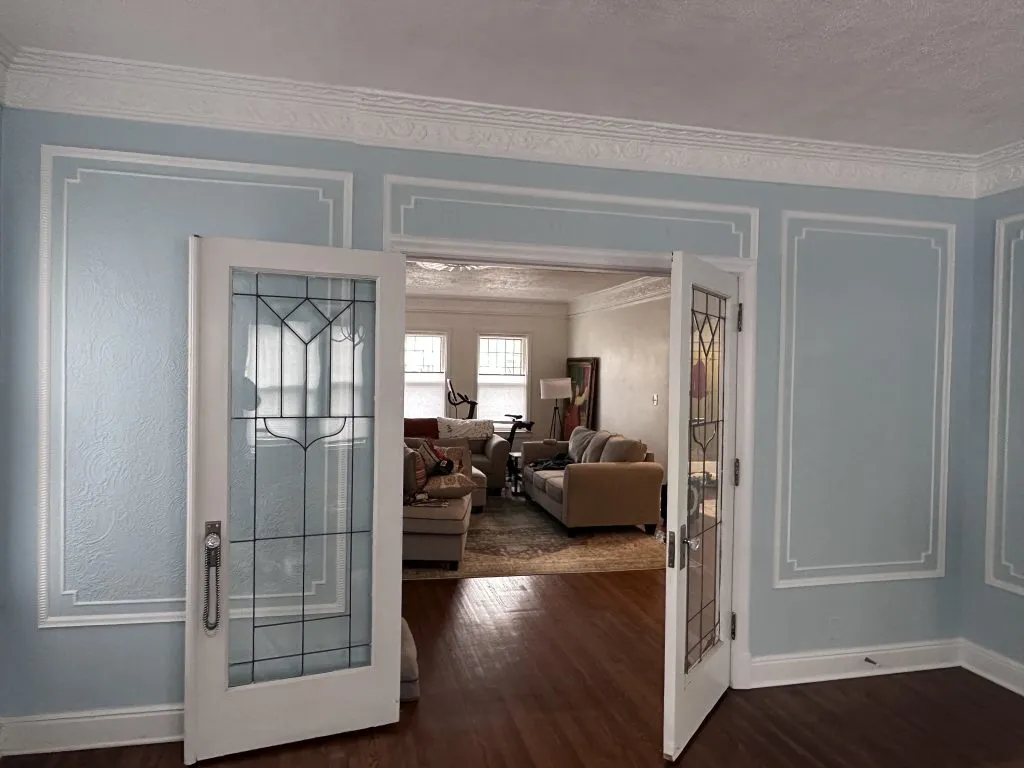
Top 10 Creative Painting Solutions to Transform Any Room
Painting can substantially alter a room’s character while delivering practical benefits. This article outlines creative painting approaches matched to different styles and needs, showing how colour, ambience, and advanced techniques work together to produce reliable results. You will find guidance on interior and exterior painting, surface preparation methods, and professional tips so you can plan and execute projects effectively. The overview also explains how Pro Painting supports clients with professional services and expertise.
What innovative interior paint ideas can creatively transform your living space?
Interior paint strategies use colour, texture, and pattern to update a room’s appearance and functionality. Methods such as accent walls, colour blocking, and textured finishes change how space is perceived and can highlight architectural features. Strong hues create clear focal points, while softer palettes open a room and invite comfort. These options allow for both bold and subtle results that match specific preferences.
How does color selection influence room ambiance and style?
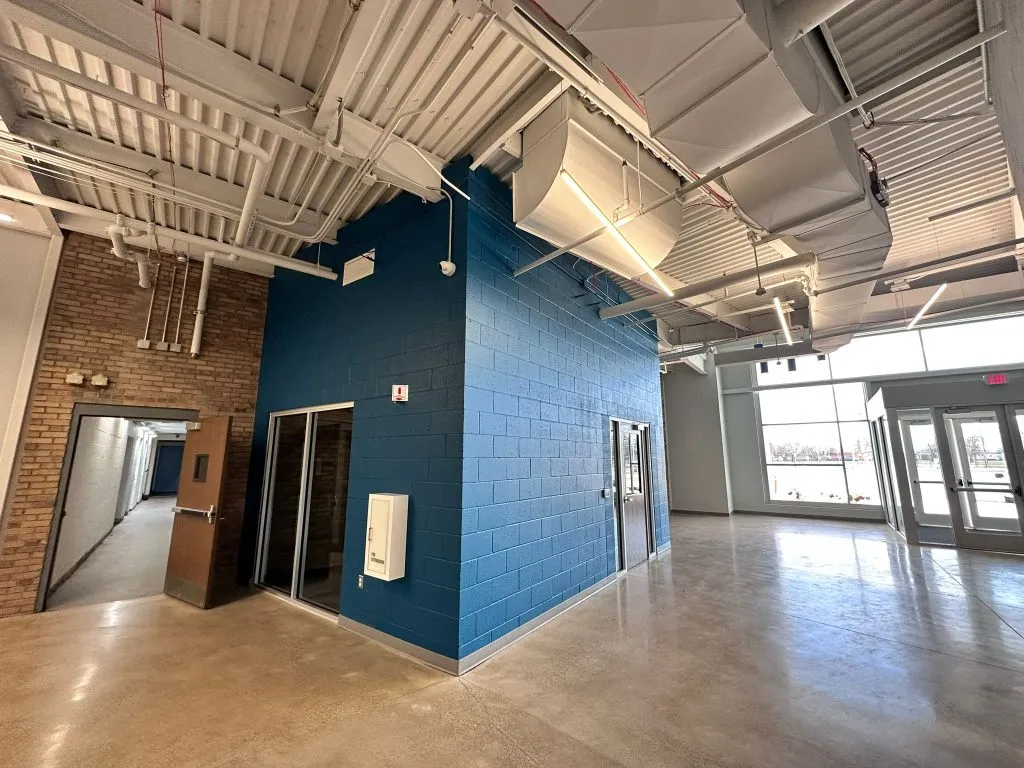
Colour choice sets the mood and balance of a room. Warm tones create a cosy feel; cool tones promote calm. Complementary schemes and considered contrasts can strengthen a room’s visual appeal. It is important to test colours under the room’s lighting at different times of day to confirm how they read in practice. Pro Painting offers colour consultation to help clients select palettes that suit both style and intended ambience.
Which paint finishes offer practical advantages for interior walls?
Finish selection affects both appearance and performance. Matte finishes provide a modern, low-sheen look but are less resistant to stains, making them better for low-traffic rooms. Satin finishes balance subtle sheen with washability, suitable for living areas and halls. High-gloss finishes are hard-wearing and simple to clean, so they work well in kitchens and bathrooms. Choose a finish that aligns with the room’s use and maintenance needs.
Which surface preparation techniques ensure lasting and professional paint results?
Proper surface preparation is fundamental to durable, attractive paintwork. Preparing surfaces correctly improves adhesion and longevity, and reduces the risk of defects. Key steps include cleaning, filling holes, and applying primer where required. These measures help prevent peeling and blistering and produce a smooth, long-lasting finish.
Why is sanding and priming critical for paint durability?
Sanding and priming are core preparation tasks that improve paint performance. Sanding evens surfaces and promotes adhesion by creating a better mechanical bond. Priming provides a stable base for the topcoat, especially on bare wood or highly porous substrates. Combined, these steps contribute to a finish that lasts. Pro Painting emphasises thorough surface preparation so projects begin with a reliable foundation.
How do repair and caulking steps improve surface quality before painting?
Repair and caulking work removes visual defects and protects surfaces before paint is applied. Common repairs include filling nail holes, patching drywall, and addressing cracks to produce a uniform substrate. Caulking seals gaps and reduces moisture intrusion that can cause warping or degradation. Inspecting and correcting these issues supports a professional-grade finish. By following these measures, Pro Painting helps ensure high-quality results on every job.
What exterior painting techniques protect and enhance outdoor surfaces?
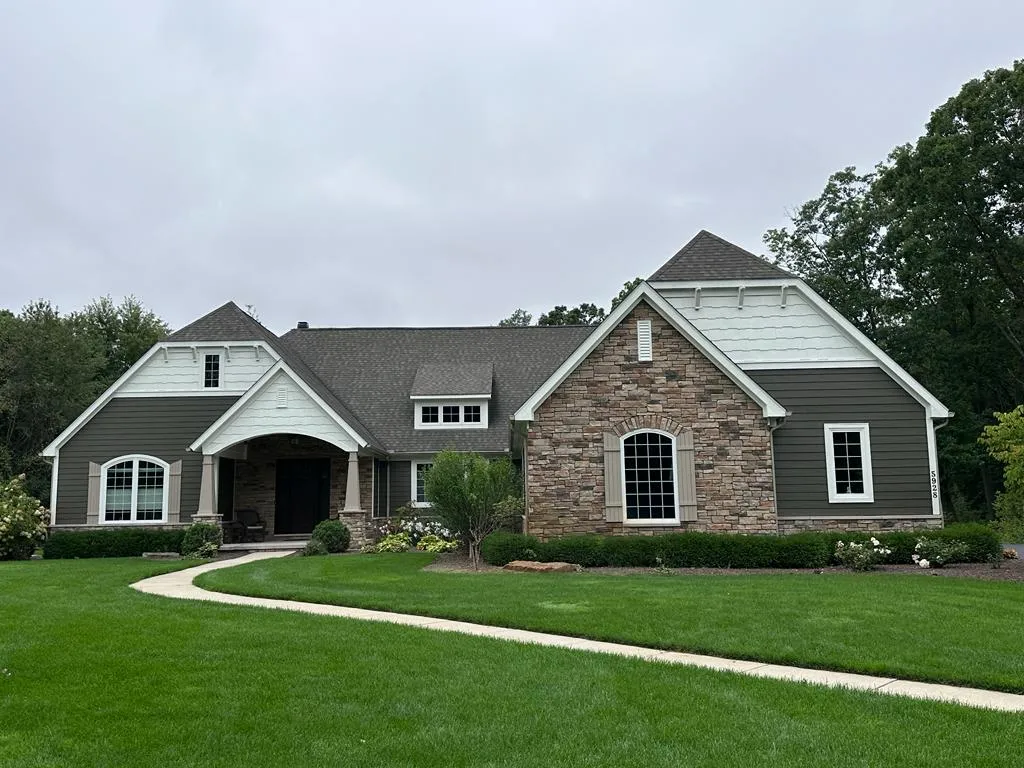
Exterior painting combines visual improvement with surface protection. Effective approaches include selecting weather-resistant coatings and applying them with methods that maximise adhesion and durability. Treatments such as sealing and priming wooden surfaces limit moisture damage and preserve the finish over time.
How do weather-resistant coatings extend paint lifespan in variable climates?
Weather-resistant coatings reduce the effects of sun, rain, and temperature shifts on exterior paint. These products resist fading, peeling, and cracking, helping a paint system remain serviceable longer. Choosing the correct coating for the local climate and surface type extends the useful life of the work and protects the underlying substrate.
Which surface preparation methods suit masonry and wood exteriors best?
Preparation differs for masonry versus wood. For masonry, power washing removes dirt, mildew, and loose material and ensures the surface is sound before painting. For wood, sanding smooths rough areas and primer seals the grain for better adhesion. Both approaches establish a stable base for the finish coat and improve the final appearance.
How can professional painting tips improve project efficiency and finish quality?
Applying professional techniques improves both efficiency and outcome. Recommendations include choosing appropriate tools, organising the workspace, and following a systematic workflow such as working from top to bottom. These practices reduce rework and save time while supporting higher-quality results.
What are best practices for clean masking and precise application?
Accurate masking produces sharp edges and prevents bleed onto adjacent surfaces. Use quality painter’s tape and apply it carefully, select brushes and rollers suited to the paint and surface, and use consistent strokes to achieve even coverage. A methodical application process yields a neat, uniform finish.
How does thorough cleanup maintain property value post-painting?
Cleanup after painting preserves the appearance and condition of the property. Removing debris, cleaning surfaces, and eliminating overspray improve presentation and help maintain standards. Pro Painting includes thorough cleanup as part of its service to support lasting value and a professional result.
How does choosing the right paint enhance durability and room transformation?
Selecting the correct paint type is key to durability and the intended visual effect. Paints are formulated for specific conditions, from high-traffic areas to low-light rooms. Understanding these differences enables homeowners to choose products that meet performance and aesthetic goals over the long term.
What factors differentiate interior and exterior paint formulations?
Interior and exterior formulations differ in resilience and environmental resistance. Exterior paints are designed to resist UV exposure, moisture, and temperature variation, while interior paints prioritise ease of application and appearance. Recognising these distinctions helps ensure the paint performs as expected for its location.
How do eco-friendly paints meet homeowner preferences in Southeast Michigan?
Eco-friendly paints appeal to homeowners seeking lower-emission options without sacrificing performance. Formulations that use natural ingredients or low volatile organic compound (VOC) levels reduce indoor air pollutants. Many residents in Southeast Michigan prefer these products for healthier indoor environments and reduced environmental impact.
Frequently Asked Questions
What should I consider when choosing paint for a specific room?
Consider the room’s use, lighting, and the atmosphere you want to achieve. Bright colours can energise activity spaces; muted tones support rest. Also evaluate finish for durability and cleaning needs. Test your selected colour in the room under different lighting before finalising your choice.
How can I remove old paint before repainting?
Common removal methods include scraping, using a heat gun, or applying a chemical paint stripper. Scraping is effective but laborious; a heat gun softens paint for easier removal. Chemical strippers work well but require proper ventilation and safety precautions. Finish by sanding to create a smooth surface before applying new paint.
What maintenance is required for painted surfaces?
Maintain painted surfaces with routine cleaning and timely touch-ups. A gentle wash with a mild soap solution typically removes dust and grime. High-traffic areas may need more frequent repairs to cover scuffs. Inspect surfaces for peeling or fading and address these issues promptly to extend the paint’s life.
Can I paint over wallpaper?
Painting over wallpaper is possible when the paper is firmly adhered and in good condition. Clean the surface and apply a primer formulated for difficult substrates to improve adhesion. Be aware that textured or patterned wallpaper may still show through; removing the wallpaper is often the preferred option for a fully uniform finish.
How can I incorporate accent colors effectively?
Use one or two accent shades that complement the main wall colour to add depth without overpowering the space. Techniques include painting a single accent wall, introducing patterned textiles, or adding coloured furnishings and artwork. Test placements and proportions to maintain a balanced composition.
What are the pros and cons of using spray paint?
Spray paint delivers smooth, even coverage and can reach detailed areas more easily than brushes. It dries quickly, which can speed project timelines. However, spray application can be harder to control and may produce overspray; careful masking and technique are required to avoid drips and achieve a durable finish.
Conclusion
Applying well-chosen colours, finishes, and techniques can improve both the appearance and function of living spaces. Pro Painting can assist in selecting appropriate options that meet your practical needs and design preferences. Review our professional services and contact us to get started.
Comments are closed