
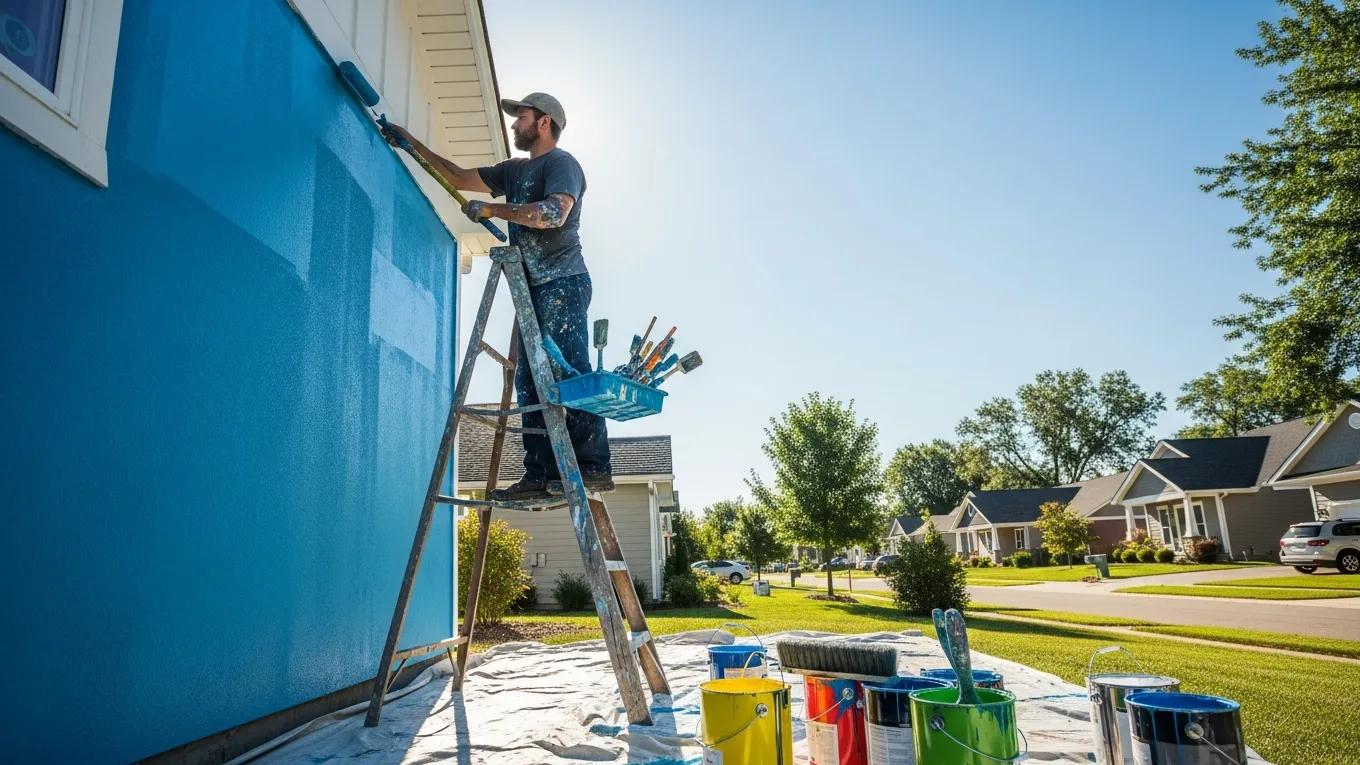
How to Choose the Right Construction Painting Company for Your Project
By GetPro Painting, GetPro Painting
Selecting the right construction painting company determines whether a residential or commercial project meets both appearance and durability expectations. A qualified contractor influences every phase of the job, from preparation to final inspection. This guide provides homeowners and business owners with clear criteria, practical tips, and methods for evaluating contractors. It also notes Pro Painting’s services as an example of how the right contractor can contribute to a successful outcome.
To select the ideal construction painting company for your project, consider the following key factors:
Choosing a painting contractor requires assessing several measurable factors that affect quality, timeline, and cost. These considerations help you compare providers objectively rather than relying on assumptions.
Experience and Expertise
Experience and technical knowledge are primary indicators of a contractor’s capability. Look for firms with relevant project experience, documented techniques, and a record of completing similar jobs to acceptable standards.
Portfolio Review

Reviewing a contractor’s portfolio reveals consistent workmanship and suitability for your style and scope. Compare several completed projects to confirm their approach matches your expectations and project requirements.
Insurance and Licensing
Confirm that the contractor holds the required licences and carries insurance that covers on-site accidents and property damage. These documents protect you from liability and indicate compliance with regional regulations.
Communication and Project Management
Clear communication and structured project management reduce delays and misunderstandings. Expect written timelines, regular progress reports, and a defined point of contact for questions and change requests.
Quality of Materials
The materials selected determine longevity and performance. Ask which paints, primers, and coatings will be used and verify they match the job’s exposure and lifecycle expectations. Reputable contractors will specify durable, appropriate products.
Customer Reviews and References
Client testimonials and references provide insight into reliability and service standards. Request recent references and check independent reviews to confirm consistent client satisfaction.
On-Site Walk-Through
An on-site inspection allows the contractor to evaluate conditions, identify hidden issues, and produce an accurate estimate. It also offers an opportunity to discuss logistics, access, and any project constraints.
Written Contract
A detailed written contract should state the scope, materials, schedule, payment terms, and change-order procedures. This document reduces ambiguity and provides a reference for resolving disputes.
Significance of Professional Painting Services
Hiring professional painters goes beyond improving appearance; it supports the property’s long-term condition and market value. Professional crews use appropriate equipment, tested methods, and industry practices that produce consistent finishes and efficient schedules.
Proper application by skilled painters reduces risks such as premature peeling or blistering. They can also advise on colour selection, suitable finishes, and techniques that align with your property’s requirements.
Tips for Assessing Potential Contractors
When evaluating contractors, prepare a list of targeted questions and request supporting documentation to confirm capabilities.
- Inquire About Past Projects: Ask for examples of previous work similar to your project so you can understand their capabilities.
- Request Multiple Quotes: Gathering estimates from different contractors helps you gauge the market rate and make a more informed decision.
- Check Qualifications: Verify that the contractor possesses the necessary training and education pertaining to painting practices.
What Essential Credentials and Experience Should a Painting Company Have?
Assessing credentials and experience helps identify reputable contractors. The following factors indicate a company that can meet technical and contractual expectations.
Certifications
Certifications from recognised painting organisations show a contractor follows industry standards and maintains professional development in techniques and safety practices.
Relevant Work History
A documented work history across different project types demonstrates adaptability and problem-solving ability. Review past projects to see how the contractor handled similar challenges.
Industry Qualifications
Specific qualifications in specialty coatings or advanced preparation methods signal that a contractor can meet unique performance requirements for specialised applications.
Insurance and Licensing
Appropriate insurance and current licences confirm legal compliance and provide financial protection against accidents or property damage that may occur during the project.
Portfolio of Past Work
A diverse portfolio lets you verify style consistency and technical competence. Look for examples that reflect the scope and finish quality you expect.
Customer Reviews
Evaluate feedback from previous clients to identify recurring strengths or issues. Multiple positive reviews typically indicate dependable service and professional conduct.
Client satisfaction is a primary performance metric in service industries and is particularly relevant for specialised decorative coating services.
Client Satisfaction within Decorative Coating Services
Mounting evidence indicates that client satisfaction significantly influences success in Pakistan’s service sector; however, limited empirical research exists regarding the antecedents of client satisfaction for specialized services such as decorative coating applications. This study, consequently, examined the impact of service quality, pricing equity, provider professionalism, technological integration, and brand perception on client satisfaction within the Karachi metropolitan area. Determinants Of Customer Satisfaction In The Decorative Paint Service Industry: Evidence From Karachi,
Karachi, SR Mir, 2025
How Do Certifications and Proven Project Histories Ensure Quality?
Certifications and documented project records offer measurable evidence of a contractor’s capabilities. They indicate ongoing training and adherence to accepted practices, while past projects provide tangible examples of delivered results.
Why Is Local Experience in Southeast Michigan Important for Painting Companies?
Local experience matters because regional climate and building practices influence material selection and scheduling. Contractors familiar with Southeast Michigan can recommend products and methods suited to seasonal temperature and moisture patterns.
How Does Paint Surface Preparation Impact Paint Durability and Project Success?
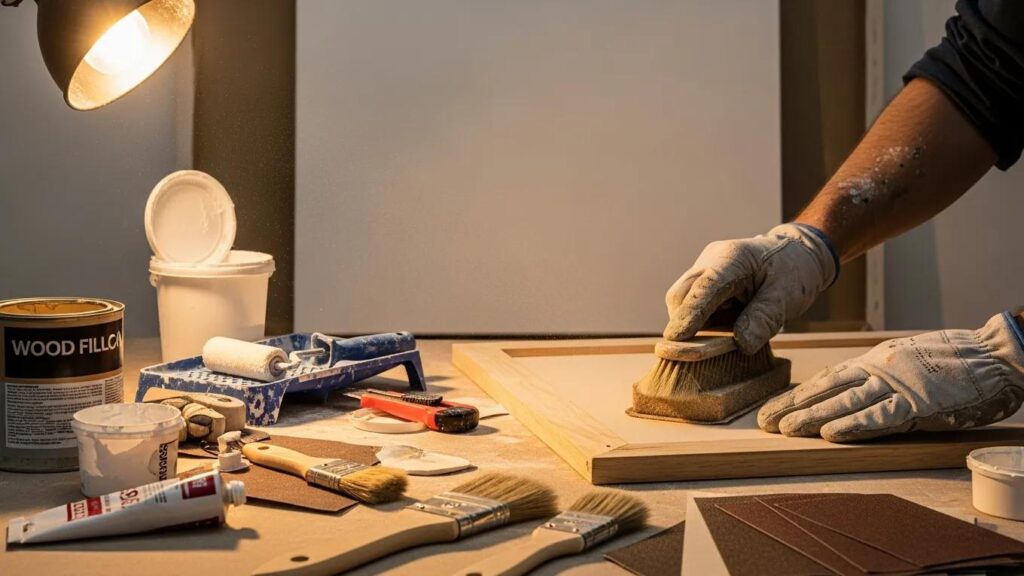
Surface preparation directly affects adhesion and longevity. Thorough cleaning, proper sanding, and correct priming create the conditions required for paint to perform as intended.
Cleaning
Surfaces must be cleaned to remove dirt, grease, and contaminants before painting. This step promotes consistent adhesion and prevents premature failure.
Sanding
Sanding evens the substrate and improves mechanical adhesion, resulting in a smoother, longer-lasting finish.
Priming
Priming seals the substrate, improves colour uniformity, and provides a stable base that extends the service life of the topcoat.
What Surface Preparation Techniques Do Professional Painters Use?
Professional painters employ systematic preparation techniques—cleaning, sanding, and priming—to ensure surfaces are ready for paint application.
- Cleaning: Effective removal of debris and contaminants.
- Sanding: Essential for surface smoothing and enhancing paint adhesion.
- Priming: Prepares the surfaces for a more effective paint application.
Each of these techniques plays an important role in producing a durable and reliable paint system.
How Does Proper Priming Protect Surfaces from Weather and Wear?
Proper priming provides a protective barrier against moisture, UV exposure, and temperature variations. It improves adhesion and reduces the risk of premature failure, protecting the surface from environmental stressors.
What Are the Differences Between Interior and Exterior Painting Services to Consider?
Understanding the distinctions between interior and exterior painting helps define material choices, preparation, and scheduling requirements.
Exterior painting requires weather-resistant coatings and more extensive surface preparation to withstand environmental exposure. Interior work places greater emphasis on finish, colour consistency, and occupant safety during application.
How Do Interior Paint Types and Application Techniques Vary?
Interior paints are formulated for specific uses—walls, ceilings, and trim—and come in finishes such as matte, eggshell, satin, semi-gloss, and high-gloss. Each finish serves different cleaning and aesthetic requirements and should be selected based on function and lighting.
What Exterior Painting Practices Protect Against Southeast Michigan Weather?
In Southeast Michigan, choose coatings rated for moisture resistance and UV stability and schedule work during appropriate weather windows. Regular maintenance and correct substrate preparation also reduce long-term weather-related deterioration.
How Can Color Selection Align with Your Property’s Architectural Style?
Consulting with experienced painters ensures colour choices complement a property’s architectural details and material palette. Professional guidance helps select combinations that enhance design coherence and visual proportion.
What Considerations Guide Choosing Colors for Residential vs Commercial Properties?
Select colours according to building use and context: residential schemes often favour comfort and character, while commercial palettes typically reflect brand identity and functional requirements. Professional recommendations can balance aesthetics with operational needs.
How Does Expert Color Consultation Add Value to Painting Projects?
Color consultants provide informed recommendations based on environment, lighting, and long-term performance. Their input reduces the risk of costly recolours and helps align choices with architectural intent.
What Are the Signs That Indicate Your Property Needs Professional Repainting?
Identifying early warning signs can prevent further deterioration and preserve property value. Common indicators include visible gaps, fading, and surface failures such as peeling or cracking.
- Gaps and Wear: Noticeable deterioration in paint can indicate an imminent need for repainting.
- Fading and Damage: Discoloration and weather-related damage signal that protective layers might be compromised.
- Peeling or Cracking: Visible imperfections are signs that the paint has lost its adhesion, necessitating professional attention.
Which Common Issues Signal Interior and Exterior Paint Maintenance?
Signs that maintenance is required include peeling or cracking paint, visible gaps that expose substrates, and colour fading that affects appearance and protection.
- Peeling or Cracking Paint: Indicates that paint layers are separating from the surface.
- Visible Gaps: May allow moisture and other elements to penetrate, leading to further damage.
- Color Fading: Compromises curb appeal and suggests a potential need for repainting.
How Does Timely Repainting Protect and Maintain Property Value?
Scheduling repainting before deterioration progresses helps maintain both visual appeal and structural protection. Timely work prevents added repair costs and supports the property’s market position.
What Should You Expect During a Professional Painting Project from Start to Finish?
Understanding the project stages sets clear expectations for deliverables, timelines, and client responsibilities.
Initial Consultation
During the initial consultation, painters assess the site, discuss requirements, and outline deliverables. This meeting establishes scope and clarifies client objectives.
Project Planning
Contractors translate the consultation into a project plan that includes schedules, material specifications, and labour estimates to ensure alignment on scope and cost.
Execution
Execution covers surface preparation and application work carried out according to the plan, with supervision to maintain schedule and quality standards.
Quality Assurance
Final inspections and corrective work, if needed, confirm that the completed work meets contract terms. Client review and sign-off conclude the quality process.
How Are Project Planning and Customer Communication Handled?
Effective projects rely on scheduled updates, transparent progress reporting, and clear channels for client questions. Regular communication maintains alignment and reduces the risk of misunderstandings.
What Are the Typical Steps for Cleanup and Final Inspection?
Cleanup includes removal of debris, masking materials, and paint residues, leaving the site orderly. A final inspection identifies any outstanding items and confirms the work meets agreed standards before handover.
Frequently Asked Questions
What types of painting services are available for commercial properties?
Commercial providers typically offer interior and exterior painting, specialized finishes, and protective coatings. Services often include surface preparation—cleaning, repair, and priming—and may use paints that comply with safety and regulatory standards. Contractors experienced in commercial work can manage challenges such as ongoing operations, site access, and code compliance.
How can I ensure that my property’s color scheme will hold up over time?
Choose paints formulated for the specific exposure and maintenance expectations of your property. Professional contractors advise on durable products, proper substrate preparation, and required maintenance schedules that together preserve colour and performance.
What should I do if I am unhappy with the completed painting project?
If the work falls short of expectations, document the issues and contact the contractor with specifics. Review the contract for warranty or correction provisions; many contractors will address legitimate concerns through repairs or touch-ups. Clear, documented communication is the most effective route to resolution.
Are there environmentally friendly painting options available?
Yes. Many contractors offer low-VOC and zero-VOC paints and other products with reduced environmental impact. Discuss sustainable options with your contractor to select appropriate materials and application methods that meet both performance and environmental goals.
What is the typical timeline for completing a professional painting project?
Timelines vary with property size, scope, complexity, and weather for exterior jobs. Small residential projects may take several days to two weeks; larger commercial projects can span weeks or months. Discuss a project schedule during the initial consultation to set realistic expectations.
How does the choice of paint finish affect the appearance and maintenance of walls?
Finish affects both appearance and maintenance: matte finishes soften light reflection but are less washable, while semi-gloss and gloss offer greater durability and easier cleaning, suited for high-traffic areas. Consider function and lighting when selecting finishes.
What questions should I ask potential contractors before hiring them?
Ask about relevant experience, surface-preparation methods, material specifications, licences, insurance, and warranty terms. Request references and examples of similar projects, and confirm communication and project-management processes to ensure a compatible working relationship.
Conclusion
Selecting the right construction painting company helps ensure your project meets design, durability, and budget objectives. Work with qualified contractors who document their approach, specify appropriate materials, and provide clear timelines. Contact reputable providers to obtain detailed proposals and move forward with confidence in protecting your investment.
Comments are closed