
How to Choose the Right Commercial Painting Contractors Near Me: A Complete Guide
Choosing the correct commercial painting contractor affects the outcome and lifespan of your property improvements. A qualified contractor delivers reliable results and helps protect your investment. This guide explains the criteria for selecting a contractor, the services commonly offered, and how to assess their qualifications. Use it to identify qualified contractors in your area.
Property owners often find contractor selection difficult because of the number of available options. Making an informed decision requires understanding the qualifications and services that influence project results. This article outlines decision factors such as credentials, service quality, and customer reviews to guide your choice.
Criteria for Selection
Consider several criteria that affect contractor performance. Knowing these factors helps you select a contractor capable of meeting your project’s requirements.
- Experience: A track record of successful projects is important. Look for contractors who have been in business for several years and have a portfolio of completed work.
- Reputation: Conduct thorough research on potential contractors. Check online reviews, ratings, and referrals to gauge their market reputation and customer satisfaction.
- Portfolio: Review their past projects to understand their painting style and quality. A diverse portfolio that showcases various projects can indicate versatility and skill.
These criteria help narrow candidates and match services to your project needs.
Types of Professional Commercial Painting Services
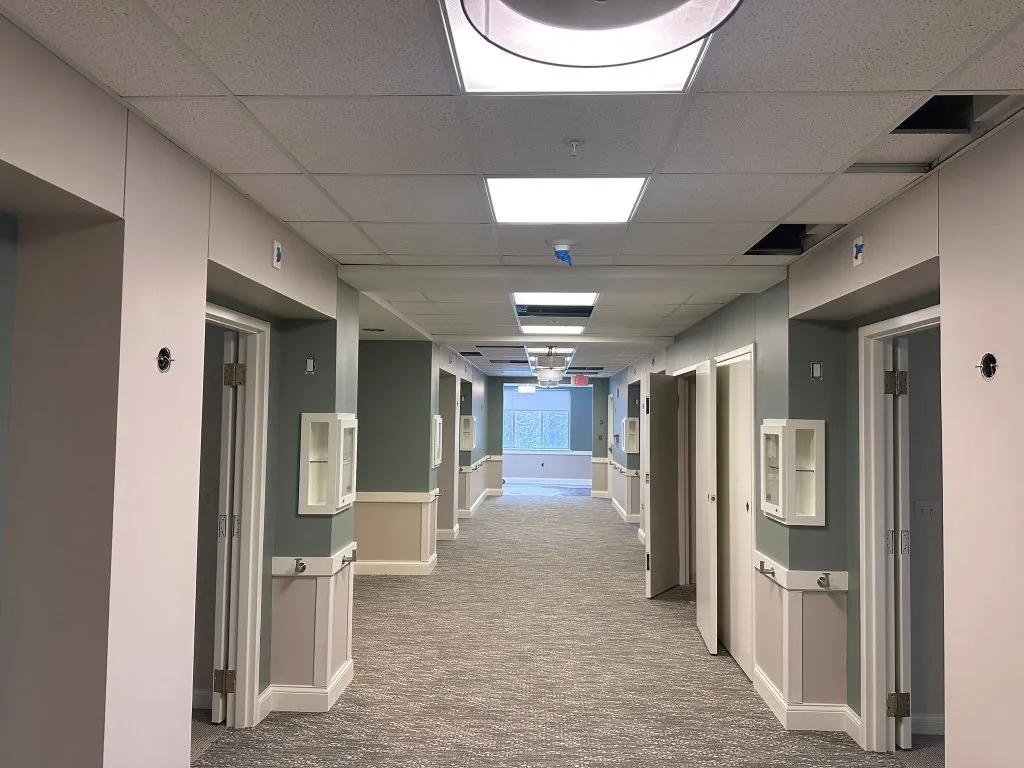
Commercial painting firms offer various services to meet business requirements. Understanding those services helps you choose an appropriate contractor.
- Interior Painting: This service involves painting the walls, ceilings, and other surfaces inside a commercial space. It’s important for upgrading aesthetics and creating a welcoming environment.
- Exterior Painting: Exterior painting improves curb appeal and protects your building from weather elements. Selecting the right finish and paint type is important for durability.
- Specialized Coatings: These coatings might include fire-resistant paints or anti-graffiti finishes, providing additional protective features depending on your business’s requirements.
Knowing available service types guides selection of a contractor suited to your project’s demands.
Tips for Evaluating Contractors
To select the right contractor, use these practical evaluation steps:
- On-Site Walk-Through: Request an inspection of your property to receive a tailored estimate. A walkthrough allows the contractor to identify specific challenges and needs.
- Request Detailed Quotes: Obtain multiple quotes that break down costs; this will help you compare services offered and make an informed choice.
- Assess Tools and Techniques: Inquire about the tools and techniques that the contractor uses. Professional-grade tools and modern techniques often lead to better finishes.
Following these steps helps identify less qualified bidders and focus on contractors that demonstrate professionalism and consistent results.
What Qualifications and Credentials Should Professional Commercial Painters Have?
To hire effectively, know which qualifications to expect from commercial painters. Professional contractors should have:
- Experience: A proven history of handling projects similar to yours can indicate reliability and expertise.
- Licensing: Ensure they hold the necessary licenses for your state, as this validates their authority to operate as contractors.
- Certifications: Look for certifications that demonstrate credibility, such as those from industry organizations, which can highlight training and adherence to best practices.
Verifying these qualifications helps keep your project compliant and raises the likelihood of a satisfactory outcome.
How to Verify Licensing, Insurance, and Contractor Experience
Confirming licensing and insurance is a necessary step in the hiring process. Here’s how you can do it:
- Check Licensing: Visit your state’s licensing authority website to confirm that the contractor’s license is valid and up to date.
- Verify Insurance: Ensure the contractor has both liability insurance and workers’ compensation insurance. This protects you from potential claims arising from injuries or damages during the project.
- Assess Experience: Ask potential contractors about their experience with projects similar to yours. Request references and photographs to confirm their capabilities.
These checks protect you from unqualified hires and safeguard your interests during the project.
What Certifications and Industry Standards Matter Most in Southeast Michigan?
In Southeast Michigan, certain certifications and standards are relevant when hiring a commercial painting contractor. Notable certifications may include:
- ISO Standards: This reflects adherence to quality management systems and assurance processes.
- ASTM Standards: These standards guide the quality and performance of paint materials.
Such certifications indicate adherence to recognized standards and help ensure consistent service that meets expected performance.
Which Local Commercial Painting Companies Offer Reliable Interior and Exterior Services?
Identify local commercial painters with solid reputations and verified customer feedback. Local options may include:
- GetPro Painting: Known for their professional residential and commercial painting services, they showcase quality work and excellent customer service.
- Local Firms: Look for companies that have been operating within your community for several years. A longstanding presence often indicates reliability.
Research local firms and their service offerings to find a contractor that matches your project’s requirements.
How to Assess Service Quality and Project Management Capabilities
Evaluating a contractor’s quality and project management is essential. Consider key factors like:
- Experience and Expertise: Look at the contractor’s background and previous projects to gauge their level of expertise.
- Portfolio Review: A comprehensive review of their past work can help you understand their service quality.
- On-Site Walk-Through: Discuss project management processes, timelines, and quality assurance measures in place during the initial consultation.
These evaluations clarify whether a contractor can meet expectations and manage the project effectively.
What Customer Reviews and Testimonials Reveal About Contractor Performance
Customer reviews are useful when evaluating contractors. Focus on reviews that reference:
- Quality of Work: Customers will often discuss the durability and finish of the work performed, providing insight into the contractor’s craftsmanship.
- Professionalism: Feedback regarding punctuality, communication, and overall professionalism reflects the reliability of the contractor.
- Responsiveness: A contractor’s ability to address concerns and communicate effectively contributes significantly to customer satisfaction.
Review analysis can increase clarity and confidence in your decision.
Why Is Surface Preparation Essential for Long-Lasting Commercial Painting Projects?
Surface preparation is the basis of a durable paint job. It includes cleaning, repairs, and priming to improve adhesion and longevity. Without proper preparation, paint can peel or blister prematurely.
Applying correct preparation techniques helps paint adhere and resist environmental stresses, resulting in a long-lasting finish.
What Surface Preparation Techniques Ensure Paint Durability and Finish Quality
Key surface preparation techniques support durable, high-quality finishes:
- Cleaning: Remove dust, grease, and old paint to establish a clean surface for painting.
- Sanding: Smooth rough areas for better paint adhesion and a uniform look.
- Priming: Using the right primer helps block stains and enhances paint performance.
Using these methods is fundamental to achieving a long-lasting result.
How Do Environmental Factors Influence Surface Treatment Choices?
Environmental conditions influence the choice of surface treatments. Key considerations include:
- Temperature: Extreme temperatures can affect paint application and drying times, influencing product selection.
- Humidity: High humidity levels can impact adhesion and finish quality, necessitating specific types of paints.
- Exposure to Chemicals: In commercial settings, exposure to harsh chemicals may lead to the need for specialized coatings that can withstand specific conditions.
Understanding these factors informs selection of appropriate treatments for reliable results.
What Types of Commercial Paint Should You Choose for Different Property Surfaces?
Choosing the appropriate commercial paint affects performance on different surfaces. Here are a few common options:
- Oil-Based Paint: Ideal for wood and metal surfaces, offering durability and smooth finishes.
- Latex Paint: Suitable for most interior spaces due to its easy application and clean-up.
- Low-VOC Paints: Environmentally friendly option that releases fewer volatile organic compounds, making them suitable for sensitive environments.
Each paint type has specific advantages; knowing their properties aids your choice for each surface.
How to Select Paint Colors That Complement Architectural Style and Branding
Selecting paint colors can support architectural style and branding. Consider the following:
- Brand Alignment: Colors should reflect your brand identity and values to create a cohesive visual representation.
- Color Psychology: Different colors evoke specific emotions, influencing customer perception and experience.
- Visual Flow: Ensure that the colors complement each other to create a harmonious look.
This approach helps maintain a professional appearance aligned with your branding.
How Can You Manage Commercial Painting Projects Effectively from Start to Finish?
Project management keeps painting projects on schedule and on budget. Here are strategies for managing your commercial painting project efficiently:
- Initial Consultation: Clearly communicate your vision and expectations to ensure alignment between you and the contractor.
- Cost Estimation: Obtain a clear, detailed estimate that outlines costs and expected timeframes.
- Quality Control: Establish quality assurance measures and regular check-ins throughout the project to ensure standards are met.
Applying these measures can streamline management and promote clear communication with your contractor.
What Are Typical Project Timelines and Cost Factors to Expect?
Knowing typical timelines and cost drivers helps planning. Typically, timelines may vary based on:
- Size of Project: Larger projects may take longer to complete.
- Surface Type: Different surfaces may require additional preparation time, affecting project duration.
- Labor Rates: Variability in labor rates can influence overall project costs, dependent on regional factors and contractor pricing.
Discuss these items with contractors to set realistic expectations.
Which Questions Should You Ask Contractors Before Hiring?
Before hiring, ask these key questions:
- Qualifications: What qualifications do you hold relevant to commercial painting?
- Work Guarantees: Do you offer any guarantees for your work, and what do they entail?
- Project Timelines: What is your estimated timeline for completing my project?
Clear answers to these questions build confidence in your choice and confirm that contractors understand your requirements.
When Is the Right Time to Schedule Repainting for Commercial Properties?
Scheduling repainting helps maintain appearance and protective coatings of your property. Consider scheduling repainting:
- Based on Wear: Regular inspections can help you identify signs that painting is needed, such as fading or peeling.
- Seasonal Factors: Certain seasons may provide optimal conditions for paint application.
- Maintenance Benefits: Proactive maintenance prevents more extensive repairs down the line, saving long-term costs.
Regular inspections and planning help keep your property protected and visually maintained.
What Are Common Signs That a Property Needs Commercial Repainting?
Recognizing signs that repainting is needed can prevent further damage. Common indicators include:
- Visible Gaps: Cracks or gaps in paint can allow moisture intrusion, leading to damage.
- Fading Paint: Obvious fading indicates the paint is losing its protective qualities.
- Cracked Caulk: Failing caulk can affect seals around windows and doors, leading to air leaks and moisture issues.
Monitoring these signs helps maintain the exterior and avoid costly repairs.
How Regular Maintenance Enhances Property Value and Paint Longevity
Regular maintenance supports property value and extends paint life. Key benefits include:
- Enhancing Property Value: A well-maintained appearance can improve market value and attract potential buyers or renters.
- Preventing Damage: Maintenance can avert significant deterioration that could necessitate early repainting or repairs.
- Cost-Effectiveness: Investing in regular upkeep often proves more economical than dealing with extensive repairs due to neglect.
Ongoing maintenance extends paint lifecycle and protects property value.
Frequently Asked Questions
What should I consider when choosing paint colors for my commercial property?
When choosing paint colors, consider brand alignment and customer perception. Select colors that reflect your brand identity for a cohesive appearance. Consider color psychology, since hues influence customer response. Also ensure colors work together to create visual harmony that supports the overall design.
How often should commercial properties be repainted?
Repaint frequency varies with exposure and wear. Typically, every 5 to 7 years, though inspections may reveal earlier needs. Seasonal timing also affects scheduling because certain conditions are more favourable for application.
How can I ensure that my commercial painting project stays within budget?
To stay on budget, obtain multiple detailed quotes that list labor, materials, and any additional fees. Maintain a contingency fund for unexpected work and keep open communication with your contractor about costs. Monitor progress and expenses throughout the project to help remain within the established budget.
What types of paint are most suitable for high-traffic commercial areas?
For high-traffic interiors, use durable, washable latex paints that allow for regular cleaning without degrading finish. For exterior surfaces, choose oil-based or acrylic formulations designed to resist scuffing and weathering. Low-VOC options reduce indoor emissions while maintaining performance.
Can I paint my commercial property myself, or should I hire a professional?
DIY work may appear cost-saving, but professionals are generally recommended for commercial projects due to scale and complexity. Contractors provide expertise in surface preparation, application methods, and safety protocols that support reliable results. They also complete work more efficiently and can help avoid costly mistakes, which often results in better long-term value.
What are the environmental considerations when choosing paint for commercial buildings?
Environmental considerations affect health and sustainability. Choose low-VOC paints to reduce emissions and improve indoor air quality. Also evaluate eco-friendly products such as recycled or natural-ingredient paints. These choices support sustainability and can reflect positively on your organisation.
How do I verify the quality of work from a commercial painting contractor?
Verify quality by reviewing portfolios to assess workmanship and style. Request references from previous clients to learn about satisfaction and reliability. Check online reviews and ratings for additional insight. When possible, visit completed projects to inspect finishes and the level of care in their execution.
Conclusion
Choosing the rightcommercial painting contractor helps preserve property condition and value. Prioritise experience, reputation, and service quality to find contractors likely to deliver reliable results that meet your requirements. Contact local firms with verified reputations to discuss options. Begin evaluating candidates in your area to select a contractor for your next painting project.
Comments are closed