
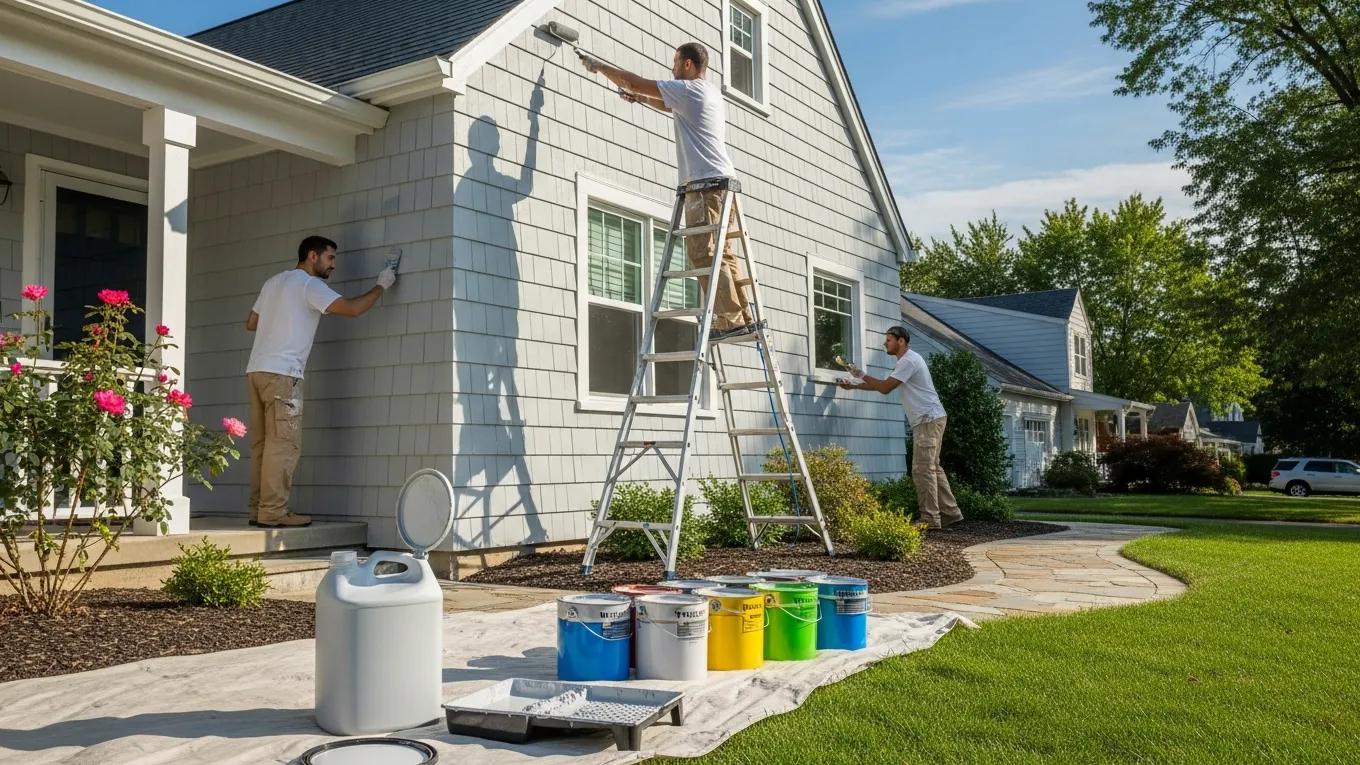
How to Choose the Best House Painters Near Me for Your Next Project
Selecting the right house painters has a direct effect on your project outcome. Consider factors such as trade expertise, communication, and surface preparation. This article guides homeowners through the key criteria—painter qualifications, surface preparation, paint selection, and contractor communication—so you can make an informed hiring decision that supports both appearance and property value.
What Should You Look for in Professional House Painters?
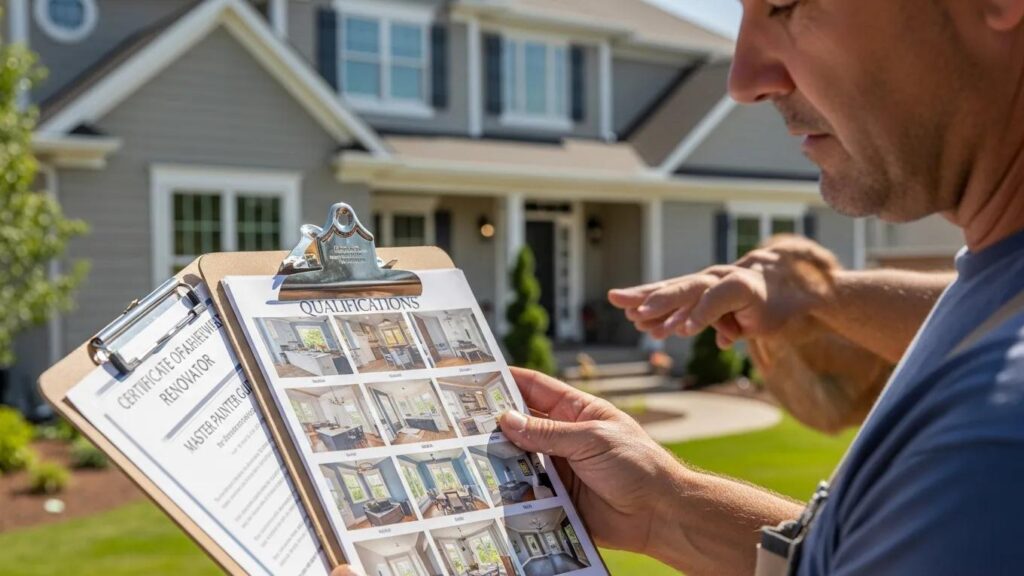
Evaluate the factors that most influence project quality and client satisfaction when choosing a professional house painter.
- Experience and Qualifications: Evaluating a painter’s experience and technical skills can influence the durability and quality of your project. Look for certifications, training, and a portfolio of previous work.
- Customer Reviews and Testimonials: Gather feedback from previous clients to assess their satisfaction with the painter’s work. This can provide insights into reliability and craftsmanship that are important for your decision.
- Pricing and Quotes: It’s essential to obtain detailed quotes from several painters to compare pricing structures, ensuring you understand what services are included.
Research these factors carefully to determine which professional best meets your project requirements.
How Do Painter Qualifications and Experience Affect Project Quality?
A painter’s qualifications and experience are key to achieving consistent, high-quality results. Seasoned painters understand material properties and the correct application methods for different substrates, which supports a smooth, long-lasting finish.
Experienced painters also bring practical problem-solving skills to address unforeseen issues during work, contributing to a more durable and visually sound final result.
Why Is Reliable Communication Important When Hiring Local Painting Contractors?
Clear communication ensures the contractor understands your project requirements and expected outcomes. It reduces misunderstandings and helps keep the schedule and scope aligned.
Reliable communication supports prompt handling of changes, efficient troubleshooting, and stronger trust between client and contractor.
- Ensures that any changes or adjustments to the project are promptly addressed.
- Encourages efficient troubleshooting if issues arise during the painting process.
- Builds trust and satisfaction between you and the contractor, resulting in a better working relationship.
Prioritize contractors who demonstrate consistent, clear communication to improve the likelihood of a successful project.
How Does Surface Preparation Impact Painting Results?
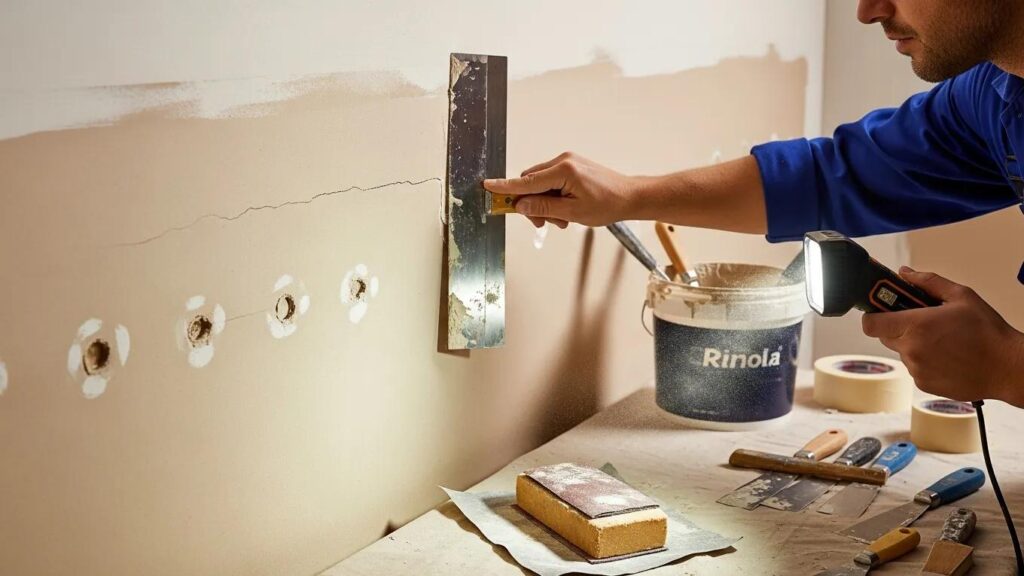
Surface preparation directly affects paint performance and longevity. Proper preparation includes cleaning and inspection, repairing damaged areas, and applying the correct primer to ensure effective paint adhesion.
When performed correctly, preparation yields a uniform finish that adheres better and resists wear; skipping these steps can lead to peeling, chipping, and uneven results that require earlier repainting.
What Are the Key Steps in Surface Preparation for Painting?
Effective surface preparation requires several essential steps that should not be omitted.
- Inspection and Cleaning: Thoroughly examine the surfaces to be painted and clean them to remove dirt, grease, or loose paint flakes.
- Repairing Damage: Fill any holes or cracks and sand rough areas to create a smooth base for the paint application.
- Priming Techniques: Apply the appropriate primer after repairs. Priming seals the surface, enhancing paint adhesion and providing a uniform foundation.
Adhering to these procedures establishes a solid foundation for the paint and improves durability and appearance.
How Does Proper Priming Increase Paint Durability?
Priming strengthens adhesion between paint and substrate, improving overall durability. Primers also help conceal imperfections and create a consistent base for topcoats.
Oil-based, latex, and shellac primers each address specific substrate conditions; selecting and applying the correct primer extends paint life and improves final color accuracy.
Which Types of Paint and Primer Are Best for Interior and Exterior Painting Services?
Select paint and primer based on the environment and performance requirements; interior and exterior applications have different demands that affect product choice and longevity.
Interior paints focus on appearance, low odor, and ease of cleaning, while exterior paints are formulated to withstand weather, UV exposure, and moisture.
What Are the Differences Between Interior Paint Finishes and Exterior Paints?
Interior and exterior paints differ in composition and application purpose:
- Interior Paints: Generally offer a wider variety of finishes, including matte, eggshell, and semi-gloss. They are designed for low odor and easier cleaning.
- Exterior Paints: Formulated to resist fading, mildew, and peeling, these paints often come with added durability features suitable for outdoor environments.
Recognizing these distinctions helps you select the products best suited to your specific painting needs.
How Does Southeast Michigan Weather Influence Paint and Primer Selection?
Southeast Michigan’s climate—temperature swings, humidity, and seasonal precipitation—should inform your paint and primer choices.
Exterior coatings formulated for harsher climates provide improved resistance to moisture and temperature stress, supporting longer-lasting coverage and appearance.
How to Choose Paint Colors That Complement Your Home's Architectural Style?
Choosing colors that align with your home’s architectural style improves the overall appearance and visual coherence of the property.
What Color Selection Guidelines Help Match Common Residential Styles?
Consider these guidelines when selecting colors to complement architectural features:
- Traditional Styles: Favor warm neutral tones or classic colors that support historical elements.
- Modern Architecture: Sleek, bold hues or monochromatic palettes typically work best, emphasizing clean lines.
- Beach or Cottage Styles: Opt for soft pastels and light, airy colors that reflect natural surroundings.
Applying these guidelines supports a cohesive appearance and reinforces your home’s characteristic features.
How Can Professional Color Matching Improve Property Appearance?
Professional color matching refines the property’s visual impact by assessing light, material, and architectural context to select appropriate hues.
Using systematic methods, professionals recommend colors that coordinate with the setting and perform well under local lighting conditions, making color matching a practical investment.
When Is It Time to Schedule Exterior or Interior House Painting Services?
Selecting the appropriate time to paint protects your investment and improves results. Several factors influence when repainting should occur.
Factors to consider:
- Seasonal Timing: Spring and fall typically present the best weather conditions for outdoor painting.
- Frequency of Checks: Regularly inspect your paint’s condition and schedule repainting when signs of wear appear.
Considering these factors supports better planning and a practical project schedule.
What Are Common Signs Your Property Needs Repainting?
Identifying common indicators that repainting is needed can prevent further damage and higher costs. Typical signs include:
- Peeling or Cracking Paint: These issues signify inadequate adhesion or ongoing moisture problems.
- Fading Colors: Loss of vibrancy often indicates that your paint has deteriorated due to sun exposure or other environmental factors.
- Mildew Formation: Development of mold on painted surfaces suggests moisture issues requiring immediate attention.
Addressing these issues promptly helps preserve the exterior and limits the extent of future repairs.
How Does Regular Maintenance Extend Paint Longevity and Protect Property Value?
Regular maintenance extends paint life and helps preserve property value. Establish a routine of simple, effective upkeep actions.
- Scheduled Inspections: Regular checks help identify early signs of damage, such as cracking or fading.
- Prompt Repairs: Addressing small repairs immediately prevents more extensive damage in the future.
- Quality Products: Using higher quality paint products can reduce the frequency of necessary upkeep, extending the life of your investment.
Consistent maintenance improves appearance and prolongs the functional lifespan of painted surfaces.
What Can You Expect During Your House Painting Project?
Understanding the standard project workflow sets clear expectations. Professional painters typically follow an organized sequence for preparation, application, and completion to ensure consistent results.
How Do Professionals Manage Repair, Masking, and Cleanup?
Painters follow a systematic process to manage repairs, protect surrounding areas, and perform final cleanup:
- Repair Processes: Address all imperfections before painting commences, ensuring a smooth finish.
- Protecting Surrounding Areas: Masking surfaces, such as windows and trim, prevents unintended paint application, maintaining clean lines.
- Final Cleanup Procedures: Effective cleanup ensures that your space is left tidy post-project, providing immediate access to your freshly painted areas.
These procedures demonstrate a professional approach and help justify the project’s cost and expected outcome.
What Questions Should You Ask Your Local Painting Contractor Before Starting?
Before finalising your choice of contractor, ask targeted questions to confirm expectations and capabilities:
- Experience and Specialization: Inquire about the contractor’s background in both residential and commercial projects.
- Pricing and Process Transparency: Ensure you understand the pricing structure and any potential additional costs that may arise.
These questions help confirm that the chosen painter aligns with your project objectives and standards.
Aesthetic and Economic Enhancements of Residential Properties Through Surface Coating Application
The rationale for applying surface coatings is multifaceted. Fundamentally, painting serves an aesthetic purpose and supports homeowner satisfaction. The visual appeal of urban residences, public spaces, and landscapes often attracts rural youth to cities. Comparable attractiveness is achievable in rural settings when structures receive regular coating and maintenance. Paint provides colour and a refreshed appearance, and the considered use of hues and tones contributes to an engaging residential environment. Selecting and Applying Paints, 1939
Frequently Asked Questions
What is the typical timeline for a house painting project?
Timelines vary with home size, job complexity, and weather. Smaller projects often take 1 to 3 days; larger homes may require a week or more. Timelines account for preparation, drying times, and touch-ups. Plan work around seasonal weather to ensure suitable conditions.
How can I ensure that my house painters are insured?
Request copies of liability and workers’ compensation certificates that list the insurer and policy limits. If necessary, verify coverage directly with the insurance company. Hiring insured contractors protects workers and reduces homeowner liability for on-site accidents.
What should I do to prepare my home before the painters arrive?
Clear the areas to be painted by moving furniture and removing artwork or decorations. Confirm that windows and doors operate freely and discuss any specific preferences with the painters in advance. Providing access to water and electricity will facilitate their tasks.
Are there eco-friendly paint options available?
Yes. Low-VOC and zero-VOC paints reduce harmful emissions and are widely available. Some brands offer formulations based on natural materials such as clay or milk proteins. Ask your painter about these options if indoor air quality or environmental impact is a concern.
How do I maintain my paint after the project is completed?
Maintain painted surfaces by cleaning with a mild detergent and performing regular inspections. Touch up areas that show wear and monitor for peeling, fading, or moisture-related issues; addressing problems early will extend the paint’s service life.
What factors influence the cost of house painting?
Cost is affected by the area size, paint type, job complexity (for example, detailed trim or multiple colours), and local labor and material rates. Obtain multiple quotes to compare pricing and to understand the scope of services included in each estimate.
What should I look for in a painter's warranty or guarantee?
Review the warranty period and the specific coverage. A clear warranty should state whether it covers workmanship defects and material failures and indicate any provisions for touch-ups or repairs due to normal wear. Understanding these terms provides protection after project completion.
Conclusion
Choosing the right house painters improves both the appearance and value of your property. Prioritize qualified professionals who communicate clearly and follow sound surface-preparation practices to achieve reliable results. Contact experienced contractors to discuss your needs and request local estimates to compare options.
Comments are closed