
Affordable House Painting: 8 Tips to Transform Your Home on a Budget
Painting a home can feel daunting and costly. With practical strategies you can refresh your home’s appearance without overspending. This guide presents eight focused tips for affordable house painting, covering preparation, color selection, contractor checks, and budgeting. Whether you plan to do the work yourself or hire professionals, these recommendations will help you make informed choices and control costs.
Here are eight essential tips and practical strategies for affordable house painting, focusing on transforming your home on a budget:
Applying the right strategies improves the final result and helps you manage expenses. The following tips promote an efficient, cost-aware painting process.
1. Prepare Your Home
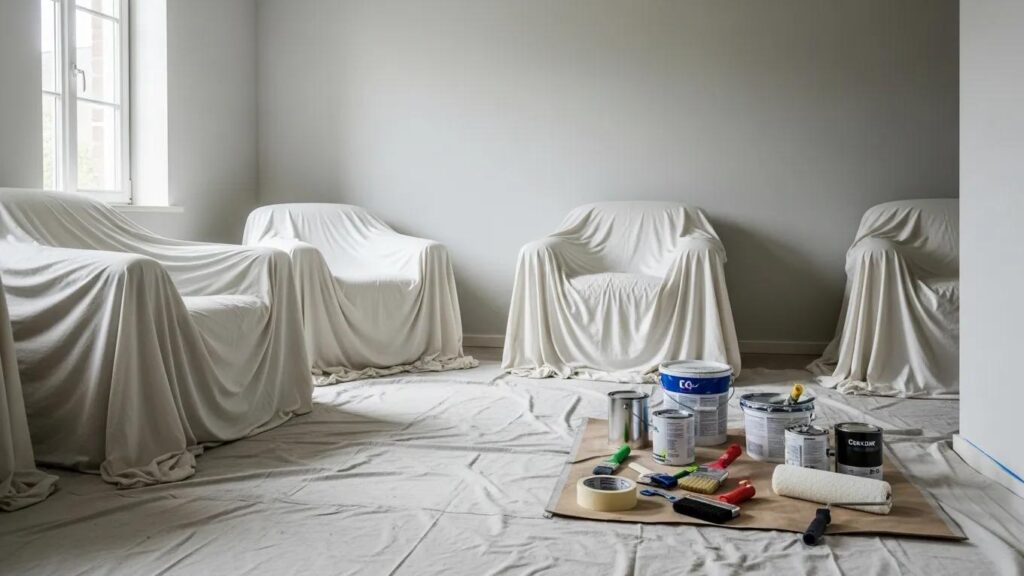
Proper preparation before painting reduces errors and improves the finish. This includes clearing furniture, protecting floors, and cleaning walls to ensure proper adhesion. Make sure to:
- Clear the Area: Move all furniture and remove wall decorations, allowing painters to work unobstructed.
- Cover Surfaces: Use drop cloths to protect floors and other surfaces from paint spills.
- Ensure Clean Walls: Dust and wash the walls to ensure paint adheres properly, preventing peeling in the future.
Thorough preparation reduces delays and helps achieve a more consistent finish.
2. Prioritize Quality Over Quantity
When hiring professional painters, prioritize contractors who deliver durable results rather than those who promise only speed. A reputable contractor can reduce future repair and repainting costs. Consider these steps:
- Research Contractor Reputation: Look for reviews and testimonials to choose a contractor known for high-quality work.
- Assess Timelines: Understand that while some contractors might offer faster services, this could come at the expense of quality.
- Consider Recommendations: Seek referrals from friends or neighbors who have recently painted their homes.
The contractor you select directly affects the longevity and total cost of the work.
3. Request Insurance Verification
To protect your property and finances, always request proof of insurance before work begins. This should include:
- Liability Insurance: Protects you if any property damage occurs during the job.
- Workers’ Compensation: Covers injuries sustained by workers while on your property, ensuring that you won’t be held liable.
Confirming insurance safeguards your investment and indicates the contractor follows standard business practices.
4. Get a Warranty
Ask for a written warranty on painting work; typical coverage includes:
- Defects: Most warranties cover issues that arise due to poor application or material defects.
- Common Warranty Periods: Expect warranties to range from 2-7 years, depending on the contractor and the specific work done.
A written warranty reduces your exposure to defects and clarifies responsibility for repairs.
5. Choose Colors Wisely
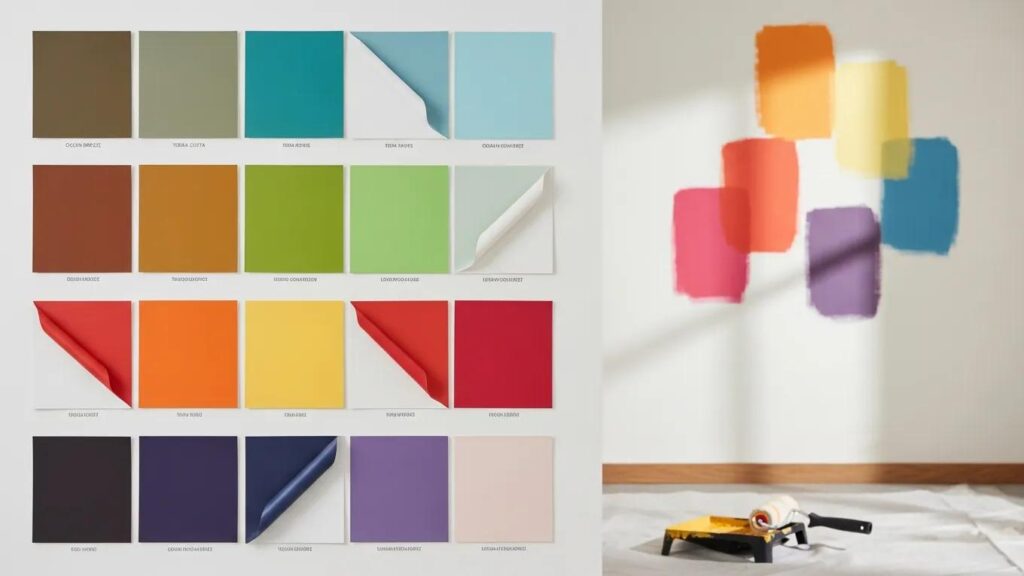
Color choice affects both cost and final appearance. Be mindful of factors that influence labor and material needs, such as:
- Number of Coats Needed: Darker colors may require more coats, increasing labor and paint costs.
- Color Matching: Consider colors that align with existing architectural features and styles to avoid excessive adjustments later.
Careful color selection can improve appearance while limiting the need for additional coats or corrections.
6. Understand Cost Factors
Understanding cost drivers helps you set a realistic budget. Consider the following:
- Labor vs. Material Costs: Determine a balance between quality materials and skilled labor to optimize your budget.
- Project Scope: Assess whether you need interior, exterior, or both types of painting, as this impacts the overall expense.
- Quality Over Time: Higher quality materials may have a higher upfront cost but will save money in the long run due to their durability.
Knowing these elements helps you make informed planning and spending decisions.
7. Surface Preparation
Surface preparation is critical to a durable finish; skipping it increases the risk of failures and future expense. Effective surface preparation includes:
- Cleaning: Remove dirt and grease to enhance adhesion.
- Repairing Damage: Fill in cracks and holes to create a smooth surface for painting.
Proper preparation increases paint longevity and improves appearance.
8. Consider DIY for Small Areas
For cost savings, consider DIY on small-scale projects. These tasks can reduce labor costs while delivering visible results. Some ideal projects include:
- Accent Walls: These can change the room’s feel without requiring extensive resources.
- Furniture: Painting small furniture pieces can refresh your decor at a lower cost.
- Trim Work: Focusing on the trim provides a polished look without overwhelming the budget.
Focusing on manageable DIY tasks reduces overall expense and lets you control the final look.
What Are the Key Factors Affecting House Painting Cost?
Several factors affect total painting cost. Understanding them improves your budgeting:
| Factor | Impact on Cost | Importance Level |
|---|---|---|
| Type of Paint | High-quality paints cost more but last longer | High |
| Surface Condition | More repairs increase prep time and cost | Medium |
| Size of Area | Larger spaces require more material and labor | High |
| Accessibility | Hard-to-reach areas can increase labor costs | Medium |
Awareness of these elements helps you plan to avoid unexpected costs.
How Does Surface Preparation Influence Overall Painting Expenses?
Correct surface preparation ensures adhesion and longevity; inadequate prep leads to costly repairs. Key points include:
- Time Investment: A thorough preparation process can take longer but saves time later by preventing issues such as peeling or bubbling.
- Material Choice: The type of materials used for preparation, such as primers and fillers, can significantly affect overall costs.
- Long-Term Savings: Investing in proper surface preparation often saves money in the long run due to fewer maintenance requirements.
Accounting for preparation in your plan improves long-term outcomes and reduces maintenance needs.
What Role Do Interior and Exterior Paint Types Play in Budgeting?
Selecting suitable paint types affects longevity and budget. Interior and exterior paints have significantly different properties and costs. Factors include:
- Durability: Exterior paints are typically more expensive due to their enhanced durability against weather elements.
- Finish Options: Different finishes (matte, gloss, satin) can affect paint costs. Glossy finishes are often more expensive but easier to clean.
- Brand Variability: Some brands offer premium products at a higher cost that may provide better value over time.
Select paint types deliberately to direct funds where they yield the best return.
How Can You Save Money on Professional Painting Services?
Professional services carry cost, but you can reduce expenses with these approaches:
- Seasonal Discounts: Many contractors offer lower rates during off-peak seasons, leading to savings.
- Get Multiple Quotes: Requesting quotes from multiple contractors can provide a better sense of average pricing and potential discounts.
- Combine Projects: Plan multiple projects together, such as interior and exterior work, to negotiate better rates.
Applying these tactics can lower contractor costs without sacrificing quality.
What Are Effective Budget Tips for Hiring Skilled Painters?
To hire skilled painters within budget, focus on these steps:
- Referrals and Reviews: Start your search by asking friends or family for recommendations and researching online reviews.
- Check Previous Work: Ask potential hires for examples of previous projects to gauge their quality and suitability.
- Negotiate Prices: Be open to discussing pricing and potential discounts for upfront payments or referrals.
These measures help secure qualified trades and control costs.
How Does Project Management Ensure Cost Efficiency and Quality?
Project management controls cost and quality. Key elements include:
- Clear Planning: Establish a detailed timeline and scope of work to prevent costly delays.
- Effective Communication: Maintain open lines of communication with your contractors to address issues quickly.
- Budget Tracking: Use budgeting tools to monitor expenses and prevent overruns.
Strong project management improves schedule adherence and cost control while safeguarding quality.
What Surface Preparation Techniques Enhance Paint Durability and Save Costs?
Advanced preparation techniques improve finish and durability. Consider practices such as:
- Pressure Washing: Effectively removes dirt and mildew, ensuring optimal adhesion of new paint.
- Sanding: Smooths surfaces, leading to a more even and long-lasting finish.
- Caulking: Seals gaps and cracks, preventing moisture damage and increasing paint longevity.
Using these methods reduces maintenance needs and extends the service life of the paint.
Why Is Proper Sanding and Caulking Important Before Painting?
Sanding and caulking support adhesion and a smoother finish by:
- Sanding: Removes imperfections and rough surfaces, allowing the paint to adhere better.
- Caulking: Filling gaps not only prevents moisture penetration but also creates a polished look.
Prioritizing these tasks improves the long-term performance of the paint.
How Does Climate Consideration Impact Surface Prep and Paint Selection?
Local climate affects surface preparation and paint choice. For effective painting, consider:
- Humidity Levels: High humidity can affect drying times and paint adherence; using special formulations can mitigate this.
- Temperature Adjustments: Extreme temperatures can cause paint to dry improperly, leading to cracks and peeling.
- Seasonal Patterns: Timing your painting projects based on local climate can enhance results.
Factoring in these conditions helps select materials and timing that extend coating life.
Which Interior Paint Types Offer the Best Value and Performance?
Select interior paints that balance cost and performance. Here are several types that provide excellent value:
- Acrylic Paints: Water-based paints are in higher demand due to low odor and easy cleanup.
- Eggshell Finish: Offers a nice sheen while being washable, making it suitable for various applications.
- Matte Finish: Generally less expensive, though more appropriate for low-traffic areas where durability is not a priority.
Review these options to match performance with your budget and design goals.
What Are the Benefits of Latex vs. Enamel Paints for Home Interiors?
Compare latex and enamel by their properties and typical uses. Key differences include:
- Latex Paint: Fast-drying and easier to clean; it provides a user-friendly application for residential projects.
- Enamel Paint: Offers superior durability and a harder finish, making it ideal for areas needing frequent cleaning.
Choose the paint type that meets your durability and maintenance requirements.
How to Match Paint Color Choices with Home Style and Budget?
Color selection should suit your home’s style and budget. Here are some considerations for selecting colors:
- Architectural Style: Choose colors that complement the design style of your home to create harmony.
- Budget Constraints: Select a baseline color that can be extended into various rooms for consistent appeal without additional expense.
- Visual Flow: Ensure color selections transition well between spaces to maintain a unified design.
Balancing style and cost produces a cohesive, cost-effective scheme.
How Do Exterior Paint Choices Affect Maintenance Costs and Longevity?
Exterior paint selection impacts appearance, maintenance frequency, and lifespan. Concerns include:
- Quality Ingredients: High-quality materials tend to provide better protection against elements, ultimately reducing maintenance costs over time.
- Color Duration: Certain colors fade faster than others, impacting how frequently you will need to repaint.
- Finish Types: Different finishes can offer varying levels of durability and maintenance ease.
Choosing appropriate exterior coatings can lower future maintenance and repainting frequency.
What Are the Most Durable Paints for Southeast Michigan’s Climate?
In Southeast Michigan’s variable climate, select paints with moisture and temperature resistance. Recommended options include:
- High-Quality Acrylics: Resilient against moisture and fading, suitable for both interior and exterior applications.
- Breathable Paints: Allow moisture to escape, reducing the chance of peeling and blistering.
- Weather-Resistant Options: Specifically designed to withstand harsh weather conditions.
Appropriate products reduce the need for frequent maintenance in this climate.
When Is the Best Time to Repaint to Maximize Paint Life and Budget?
Scheduling repainting during favorable seasons extends coating life and can reduce costs. Considerations include:
- Seasonal Conditions: Spring and fall are often ideal, offering moderate temperatures and lower humidity for effective drying.
- Weather Patterns: Avoid extreme heat or cold, which can negatively affect paint curing and adhesion.
- Inspection Regularity: Regularly check the condition of your paint to determine the optimum timing for maintenance.
A deliberate schedule improves curing conditions and protects your budget.
What Maintenance Practices Extend the Life of Your Paint Job?
Routine maintenance extends paint life. Key practices include:
- Routine Cleaning: Gently wash surfaces to remove dirt and prevent buildup that can affect appearance.
- Inspections: Periodically check for peeling or bubbling, allowing for early intervention if issues arise.
- Touch-up Paints: Keep leftover paint for minor repairs, ensuring consistent color and finish.
Consistent upkeep preserves appearance and delays full repainting.
How Can Homeowners Perform Routine Inspections and Touch-ups?
Routine inspections and timely touch-ups protect the coating and keep surfaces in good condition. Here are steps to follow:
- Visual Assessment: Regularly evaluate walls and trim for signs of wear, such as chips or fading.
- Minor Repairs: Address small issues immediately to prevent them from becoming larger problems.
- Storing Paint: Keep a stock of touch-up paint in an accessible area to ensure color consistency.
These practices maintain a consistent appearance and prevent larger repairs.
What Are Recommended Cleaning Methods for Interior and Exterior Surfaces?
Proper cleaning preserves paint and surface integrity. Recommended methods include:
- Gentle Soap Solutions: For interior walls, use mild soap with water to avoid damaging the finish.
- Pressure Washing: For exteriors, pressure washing can effectively remove dirt buildup without damaging the surface.
- Avoid Harsh Chemicals: Always select non-abrasive cleaners to protect the paint and preserve its integrity.
Use appropriate cleaning to protect finishes and extend service life.
Frequently Asked Questions
What are the best maintenance practices to extend the life of my paint job?
Establish a regular cleaning routine using mild soap and water to remove dirt. Inspect surfaces periodically for peeling, cracking, or fading and repair issues early. Store leftover paint for consistent touch-ups. These steps preserve the finish and reduce long-term repair needs.
How often should I repaint my home?
Frequency depends on paint type, surface condition, and local climate. Interiors commonly need repainting every 5–7 years; exteriors often require repainting every 5 years or sooner in harsher climates. Regular inspections help determine the right timing.
Can I use leftover paint for touch-ups, and how should I store it?
Yes. Seal cans tightly to limit air exposure and store them in a cool, dry place away from direct sunlight and extreme temperatures. Label each can with the color and purchase date to ensure easy identification for future touch-ups.
What is the difference between acrylic and enamel paints?
Acrylic paints are water-based, dry quickly, and are simple to clean up; they are suitable for many residential applications. Enamel paints, typically oil-based, yield a harder, more durable finish appropriate for high-traffic areas that require frequent cleaning.
How does temperature affect paint application?
Temperature affects drying and curing. Aim to paint in moderate conditions—typically between 50°F and 85°F. Cold slows drying and can prevent proper curing; excessive heat may cause the paint to dry too fast and lead to defects. Always follow product temperature recommendations.
What types of surfaces require special preparation before painting?
Masonry, metal, and previously painted surfaces often need specific preparation. Masonry should be cleaned and primed; metal may require sanding and rust treatment. Previously painted areas may need scraping or sanding to ensure proper adhesion of new paint.
Are there specific tips for choosing colors based on home style?
Match color choices to your home’s architectural style and desired aesthetic. Neutral tones offer broad compatibility, while accent colors highlight features. Use swatches to view selections in different lighting and consider color flow between indoor and outdoor spaces.
Conclusion
An affordable painting project is achievable with careful planning and the right choices. Apply these tips to manage costs, improve durability, and achieve the appearance you want. Use the guidance here to plan your next painting project and improve outcomes.
Comments are closed