
Why Exterior Painting is a Crucial Part of Home Maintenance: Expert Insights on Paint Types, Surface Preparation, and Professional Benefits
By GetPro Painting, GetPro Painting
Exterior painting is not just about aesthetics; it plays a vital role in the overall maintenance of a home. Properly executed exterior painting protects your property from the elements, enhances curb appeal, and can significantly increase property value. This article will delve into the importance of exterior painting, focusing on various paint types, essential surface preparation techniques, and the benefits of hiring professional painters. Homeowners often overlook the significance of these aspects, leading to premature wear and tear on their homes. By understanding the critical components of exterior painting, you can make informed decisions that will benefit your property in the long run. We will explore the different types of paints available, the necessary preparation steps before painting, and the advantages of hiring professionals for your painting projects.
Paint Types
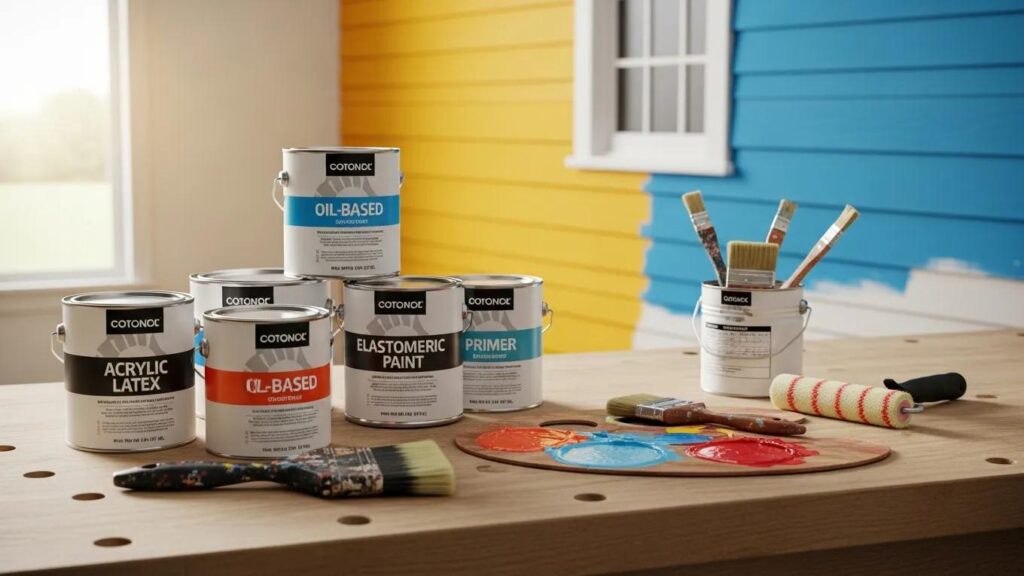
When it comes to exterior painting, selecting the right type of paint is crucial for achieving long-lasting results. Various paint types are available, each with unique properties suited for different conditions.
Acrylic latex paint is a popular choice due to its durability and ease of application. It dries quickly and is resistant to fading, making it ideal for homes exposed to harsh sunlight. Oil-based paints, on the other hand, offer excellent adhesion and are often used for surfaces that require a tough finish, such as metal or wood. Specialty paints, including those designed for specific climates or conditions, can provide additional benefits, such as mildew resistance or enhanced weatherproofing.
Understanding the characteristics of these paint types can help homeowners make informed choices that align with their specific needs and environmental conditions.
Surface Preparation Techniques
Surface preparation is a critical step in the exterior painting process that can significantly impact the durability and appearance of the finished product. Proper preparation ensures that the paint adheres well and lasts longer, reducing the need for frequent repainting.
- Inspection and Cleaning: Before painting, it is essential to inspect the surfaces for any damage or dirt. Cleaning the area thoroughly removes dust, mildew, and old paint, providing a clean slate for the new coat.
- Repairing Damage: Any cracks, holes, or peeling paint should be repaired before applying new paint. This step ensures a smooth surface and prevents future issues.
- Priming for Adhesion: Applying a primer is crucial, especially on bare wood or previously painted surfaces. Primers enhance paint adhesion and improve the overall finish.
These preparation techniques are vital for achieving a professional-looking paint job that stands the test of time.
What Are the Essential Surface Preparation Steps Before Painting?
The essential surface preparation steps before painting include:
- Inspection: Check for any signs of damage or wear on the surface.
- Cleaning: Remove dirt, mildew, and old paint to ensure a clean surface.
- Repairing: Fill in cracks and holes to create a smooth surface.
- Priming: Apply a primer to enhance adhesion and improve the finish.
By following these steps, homeowners can ensure that their exterior painting projects are successful and long-lasting.
Benefits of Hiring Professional Painters
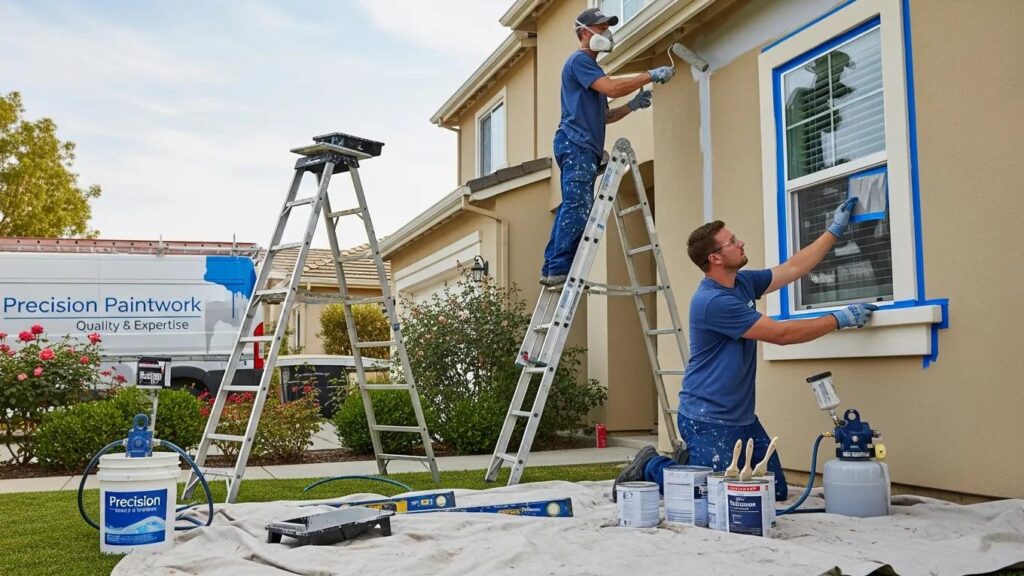
Hiring professional painters can provide numerous advantages that enhance the quality and efficiency of your painting project. Professionals bring expertise and experience, ensuring that the job is done correctly the first time.
- Expert Knowledge and Quality Results: Professional painters understand the nuances of different paint types and application techniques, leading to superior results.
- Time and Cost Efficiency: Professionals can complete the job more quickly than DIY efforts, saving homeowners time and potential costs associated with mistakes.
- Warranty and Maintenance Benefits: Many professional painting services offer warranties on their work, providing peace of mind and protection against future issues.
These benefits highlight the value of investing in professional painting services for your home.
What Are the Key Benefits of Professional Exterior Painting for Homeowners?
Professional exterior painting offers several key benefits for homeowners:
- Cost-Effectiveness: While hiring professionals may seem more expensive upfront, the long-term savings from reduced maintenance and increased property value can outweigh initial costs.
- Quality of Work: Professionals ensure a high standard of workmanship, resulting in a more attractive and durable finish.
- Enhanced Curb Appeal: A fresh coat of paint can dramatically improve the appearance of a home, making it more appealing to potential buyers.
These advantages make professional exterior painting a worthwhile investment for homeowners looking to maintain and enhance their properties.
How Does Professional Painting Enhance Curb Appeal and Property Value?
Professional painting significantly enhances a home’s curb appeal and property value. A well-executed paint job can transform the appearance of a home, making it more inviting and attractive to visitors and potential buyers.
Research further supports the significant financial impact of a well-maintained exterior on property value and rental appeal.
External Paint Aesthetics & Property Value Impact
While there is general recognition amongst housing professionals that the elements of housing quality affect rental prices, there is little empirical evidence on the impact of deteriorated external wall paint on rent and take-up of accommodation. This study aims to fill this gap by examining the perceptions of occupiers about the rental prices of houses with deteriorated paint and similar houses without it.
Deteriorated aesthetics of external wall paint; the impact on rent and take-up of accommodation in a high-end housing estate, SP Akinbogun, 2020
The visual appeal improvements from fresh paint can create a positive first impression, while protection against the elements helps maintain the home’s structural integrity. Additionally, homes with well-maintained exteriors often command higher market values, making professional painting a smart investment for homeowners looking to sell.
Why Is Hiring Experienced Painters Essential for Long-Lasting Results?
Hiring experienced painters is essential for achieving long-lasting results in exterior painting projects. Experienced professionals possess the knowledge and skills necessary to navigate the complexities of different surfaces and environmental conditions.
- Knowledge of Local Conditions: Experienced painters understand the specific challenges posed by the local climate, allowing them to recommend the best materials and techniques.
- Quality Preparation Techniques: Professionals are adept at surface preparation, ensuring that the paint adheres properly and lasts longer.
- Durable Finishes: With their expertise, experienced painters can apply finishes that withstand the test of time, reducing the frequency of repainting.
These factors contribute to the overall success and longevity of exterior painting projects.
How Does Proper Surface Preparation Impact Exterior Paint Durability?
Proper surface preparation is crucial for the durability of exterior paint. When surfaces are not adequately prepared, the paint may not adhere properly, leading to peeling, chipping, and premature wear.
Beyond adhesion, proper surface preparation is also vital for preventing underlying structural issues like wood rot and paint film fracture, which can compromise the entire paint job.
Preventing Paint Film Fracture & Wood Rot
External joinery which contains too much sapwood may deteriorate and shrink and cause fracture of the paint film. In extreme cases, rotting may occur beneath the paint film. It is now well established that external window joinery made from present-day supplies of redwood (Pinus sylvestris) is liable to decay within a few years, because of the presence of a large proportion of sapwood in the timber. Sapwood offers little resistance to wood-destroying fungi, and soon decays if it remains wet. This has resulted in the widespread adoption of preservative treatment of redwood joinery timber since the mid 1970s. On the other hand, Western red cedar and Douglas fir with no sapwood have sufficient natural resistance to decay without preservative treatment.
Building Maintenance Problems and Their Solution—IV: Joinery, Corrosion of Metals, Plastics, Plasterwork, External Renderings, Internal Finishings, Decorations and …, 1987
Cleaning and sanding the surface removes contaminants that can interfere with adhesion. Repairing any damage ensures a smooth surface for the paint to adhere to, while priming enhances adhesion and provides a uniform base for the topcoat. By investing time in proper surface preparation, homeowners can significantly extend the life of their exterior paint.
Why Is Priming Critical for Paint Adhesion and Weather Resistance?
Priming is a critical step in the painting process that enhances paint adhesion and weather resistance. A good primer creates a strong bond between the surface and the paint, ensuring that the topcoat adheres properly.
- Adhesion Benefits: Primers improve the paint’s ability to stick to the surface, reducing the risk of peeling and chipping.
- Weather Resistance: Quality primers can provide an additional layer of protection against moisture and UV rays, helping to maintain the integrity of the paint job.
- Durability Enhancement: By using a primer, homeowners can enhance the overall durability of the paint, leading to longer-lasting results.
Incorporating a primer into the painting process is essential for achieving optimal performance from exterior paints.
Which Exterior Paint Types Best Withstand Michigan’s Climate?
Michigan’s climate presents unique challenges for exterior painting, making it essential to choose the right paint types.
- Latex and Water-Based Paints: These paints are ideal for Michigan’s fluctuating temperatures, as they expand and contract without cracking.
- Oil-Based Paints: While less common, oil-based paints can provide excellent durability for specific surfaces, such as metal or wood.
- Durability and Weather Resistance: Selecting paints specifically formulated for weather resistance can help protect homes from the harsh Michigan winters and humid summers.
Choosing the right paint type is crucial for ensuring that exterior finishes can withstand the local climate.
What Are the Characteristics of Weather-Resistant Exterior Paints?
Weather-resistant exterior paints possess specific characteristics that make them suitable for harsh environmental conditions.
- Formulation and Durability: These paints are designed to withstand extreme temperatures and moisture, preventing damage over time.
- Performance in Harsh Weather: Weather-resistant paints maintain their color and finish even in the face of heavy rain, snow, and UV exposure.
- Moisture and UV Resistance: High-quality weather-resistant paints provide a barrier against moisture infiltration and UV degradation, ensuring long-lasting protection.
Understanding these characteristics can help homeowners select the best products for their exterior painting needs.
How Do Paint Durability Factors Affect Maintenance Frequency?
The durability of exterior paint directly impacts how often maintenance is required. High-quality paints that are resistant to fading, peeling, and cracking will require less frequent repainting, saving homeowners time and money.
Understanding the long-term economic implications of paint choices, including service life and maintenance costs, is crucial for homeowners.
Exterior Paint Service Life & Maintenance Economics
-life prediction of the exterior surface of painted walls, based on the degradation mechanisms of painted surfaces and their surroundings on their durability is also analyzed. An economic analysis of different maintenance strategies is also performed, considering the costs of materials, labor, and equipment, as well as the benefits of extending the service life of the paint.
Predicting the service life of exterior wall painting: techno-economic analysis of alternative maintenance strategies, J De Brito, 2014
- High-Quality vs. Low-Quality Paints: Investing in high-quality paints can lead to longer-lasting results, reducing the need for regular maintenance.
- Maintenance Schedules: Homeowners should establish a maintenance schedule based on the paint’s durability and the local climate to ensure optimal performance.
- Cost Implications: While high-quality paints may have a higher upfront cost, the long-term savings from reduced maintenance can make them a more economical choice.
By understanding the factors that affect paint durability, homeowners can make informed decisions that minimize maintenance needs.
How to Choose Exterior Paint Colors That Complement Your Home’s Architecture?
Choosing the right exterior paint colors is essential for enhancing a home’s architectural features.
- Understanding Architectural Styles: Different architectural styles may call for specific color palettes that highlight their unique characteristics.
- Nature-Inspired Colors: Drawing inspiration from the surrounding environment can help create a cohesive look that blends with nature.
- Testing Colors in Different Lighting: Homeowners should test paint colors in various lighting conditions to ensure they achieve the desired effect.
By considering these factors, homeowners can select colors that not only enhance their home’s appearance but also reflect their personal style.
What Should Homeowners Expect During a Professional Exterior Painting Project?
Homeowners can expect a well-organized process during a professional exterior painting project.
- Preparation and Cleaning: Professionals will begin by preparing the surfaces, which includes cleaning and repairing any damage.
- Timeline and Potential Disruptions: Homeowners should be informed about the project timeline and any potential disruptions to their daily routine.
- Quality Materials and Techniques: Professional painters will use high-quality materials and techniques to ensure a durable and attractive finish.
Understanding the process can help homeowners feel more confident and prepared for their painting project.
When Is It Time to Repaint Your Home’s Exterior? Signs and Maintenance Tips
Knowing when to repaint your home’s exterior is crucial for maintaining its appearance and protecting it from damage.
- Gaps and Wear: Look for signs of wear, such as gaps in the paint or visible peeling, which indicate that it’s time for a refresh.
- Fading and Damage: If the color has faded significantly or there are visible damages, it may be time to consider repainting.
- Maintenance Tips: Regular inspections and maintenance can help identify issues early, allowing homeowners to address them before they require extensive repairs.
By staying vigilant and proactive, homeowners can ensure their properties remain in excellent condition.
What Are Common Signs That Exterior Paint Needs Refreshing?
Common signs that exterior paint needs refreshing include:
- Gaps and Wear: Visible gaps or wear in the paint can indicate that it is time for a new coat.
- Fading and Damage: Significant fading or damage to the paint surface suggests that repainting is necessary.
- Cracked Caulk: Cracked or peeling caulk around windows and doors can lead to moisture infiltration, necessitating repainting.
Recognizing these signs early can help homeowners maintain their property’s appearance and integrity.
How Often Should Exterior Painting Be Done in Southeast Michigan?
In Southeast Michigan, the frequency of exterior painting can vary based on several factors, including climate and the quality of the paint used.
- General Repainting Timeline: Homeowners should consider repainting every 5-10 years, depending on the paint’s durability and the home’s exposure to the elements.
- Climate Considerations: The region’s harsh winters and humid summers can impact paint longevity, making regular inspections essential.
- Signs Indicating Repainting: Homeowners should be aware of signs that indicate the need for repainting, such as fading, peeling, or damage.
By understanding these factors, homeowners can establish a maintenance schedule that keeps their properties looking their best.
To ensure your home looks its best, consider the benefits of residential exterior painting. A fresh coat can do wonders!
When selecting paint, remember that Get Pro Painting offers valuable insights on paint types and application.
For those considering interior updates as well, residential interior painting can complement your exterior improvements.
Comments are closed