
Comprehensive Sandblasting and Surface Preparation Guide for Optimal Coating Results
Sandblasting and surface preparation are critical processes in various industries, particularly in painting and coating applications. These techniques ensure that surfaces are adequately prepared for optimal adhesion and durability of coatings. In this guide, we will explore essential sandblasting techniques, the equipment used, and best practices for effective surface preparation. Additionally, we will discuss proven paint removal techniques and the benefits of hiring professional sandblasting services. By the end of this article, you will have a comprehensive understanding of how to achieve the best results in your coating projects.
What Are the Essential Sandblasting Techniques and Abrasive Blasting Equipment?
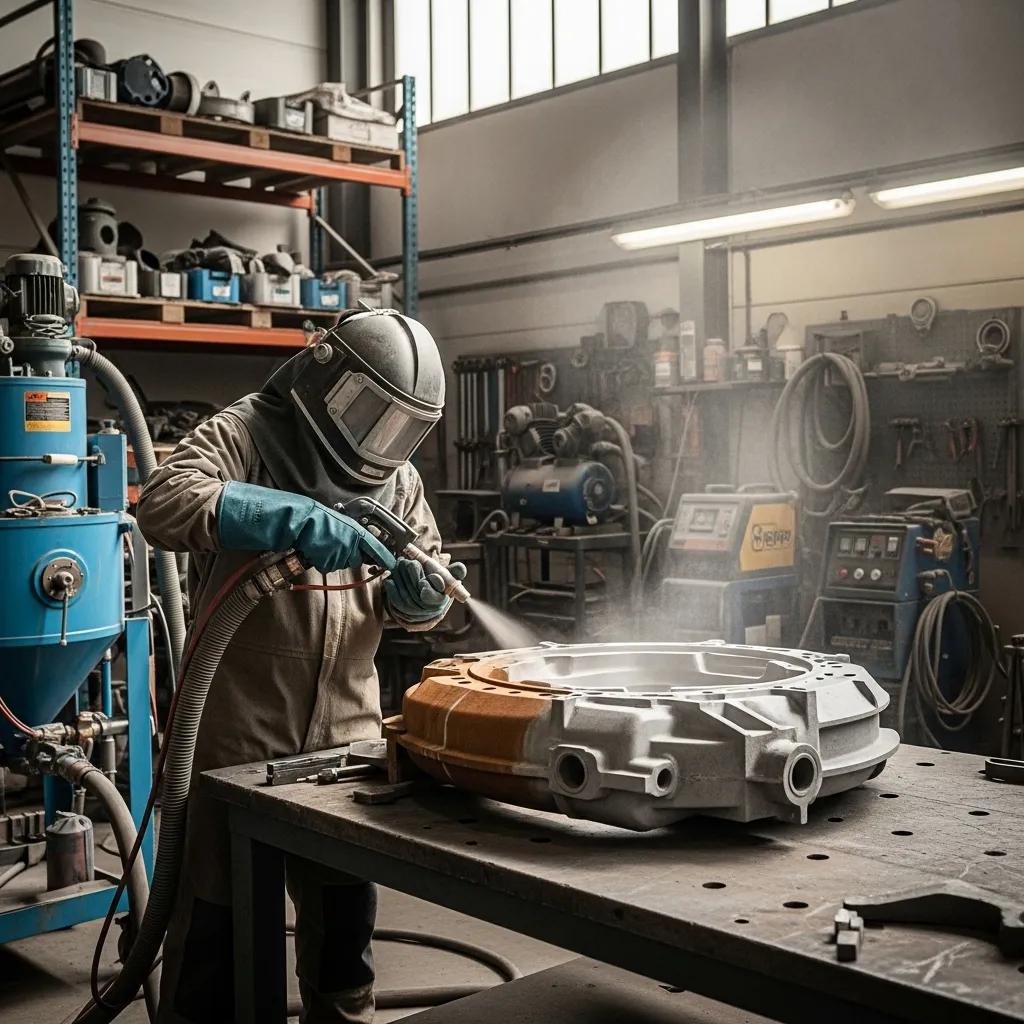
Sandblasting, also known as abrasive blasting, involves propelling abrasive materials at high speeds to clean or prepare surfaces. This technique is essential for removing contaminants, rust, and old paint, ensuring a clean substrate for coatings. Various sandblasting techniques exist, each with unique equipment and benefits.
How Does Abrasive Blasting Equipment Enhance Surface Preparation?
Abrasive blasting equipment plays a vital role in surface preparation by improving the quality and effectiveness of the cleaning process. Different types of equipment, such as pressure blasters and suction blasters, offer distinct advantages. For instance, pressure blasters provide a more aggressive cleaning action, making them suitable for heavy-duty applications, while suction blasters are ideal for lighter tasks. The right equipment enhances coating adhesion by ensuring that surfaces are free from contaminants and properly textured.
What Are the Differences Between Dustless Sandblasting and Traditional Methods?
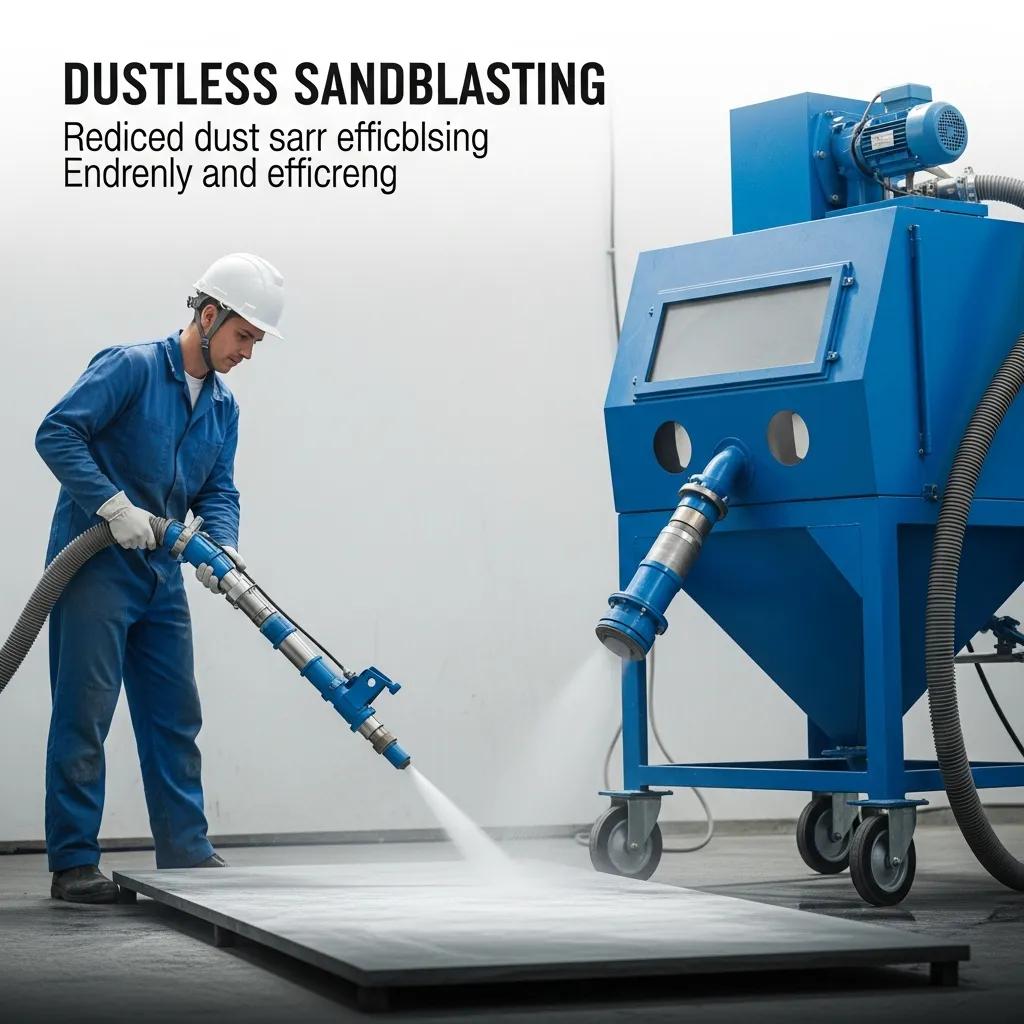
Dustless sandblasting is an innovative technique that combines water with abrasive materials to minimize dust production. This method offers several advantages over traditional sandblasting, including improved visibility and reduced environmental impact. Traditional methods, while effective, can create significant dust clouds that hinder visibility and pose health risks. Dustless sandblasting, on the other hand, provides a cleaner working environment and is often more efficient, making it a preferred choice for many professionals.
Historical studies have long highlighted the severe health risks associated with the dust generated by traditional sandblasting methods.
Sandblasting Dust Hazards & Silicosis Risk
When air-pressure abrasive blasting is conducted in enclosed devices (barrels, tables, cabinets and automatic rooms) employing sand as the abrasive the air of the workroom generally contains a highly hazardous dust concentration. The dust itself contains an average of over 90 per cent of quartz and the average dust count of the room atmosphere averages over 20 million particles per cubic foot. Such an atmosphere cannot fail to predispose in a high degree to silicosis.
The dust hazard in air-pressure abrasive blasting (sandblasting), 1932
How to Prepare Concrete Surfaces Effectively for Coating Applications?
Preparing concrete surfaces for coating applications is crucial for achieving long-lasting results. Proper preparation involves several steps, including cleaning, profiling, and priming the surface. Each step plays a significant role in ensuring that the coating adheres effectively to the concrete.
What Are the Best Practices for Concrete Surface Preparation?
Effective concrete surface preparation involves the following best practices:
- Cleaning: Remove dirt, grease, and other contaminants using appropriate cleaning agents.
- Surface Profiling: Create a textured surface to enhance adhesion. This can be achieved through methods like shot blasting or grinding.
- Priming: Apply a suitable primer to improve bonding between the concrete and the coating.
These practices ensure that the coating adheres properly, reducing the risk of peeling or flaking over time.
How Does Surface Profiling Improve Coating Adhesion on Concrete?
Surface profiling is a critical step in concrete preparation that enhances coating adhesion. By creating a rough texture on the surface, it allows for better mechanical interlocking between the coating and the substrate. This process not only improves adhesion but also helps in distributing stress more evenly across the surface, leading to a longer-lasting finish.
Research further supports the importance of specific blasting parameters in achieving optimal surface roughness and superior coating bond strength.
Grit Blasting Parameters for Optimal Coating Adhesion
Statistically designed experiments were performed to compare the surface roughness produced by grit blasting A36/1020 steel using different abrasives. Grit blast media, blast pressure, and working distance were varied using a Box-type statistical design of experiment (SDE) approach. Substrate roughness was measured using surface profilometry and correlated with operating parameters. The coatings on substrates roughened with steel grit exhibit superior bond strength to those prepared with conventional grit.
Effect of grit-blasting on substrate roughness and coating adhesion, DP Guillen, 2006
What Are the Proven Paint Removal Techniques Using Sandblasting?
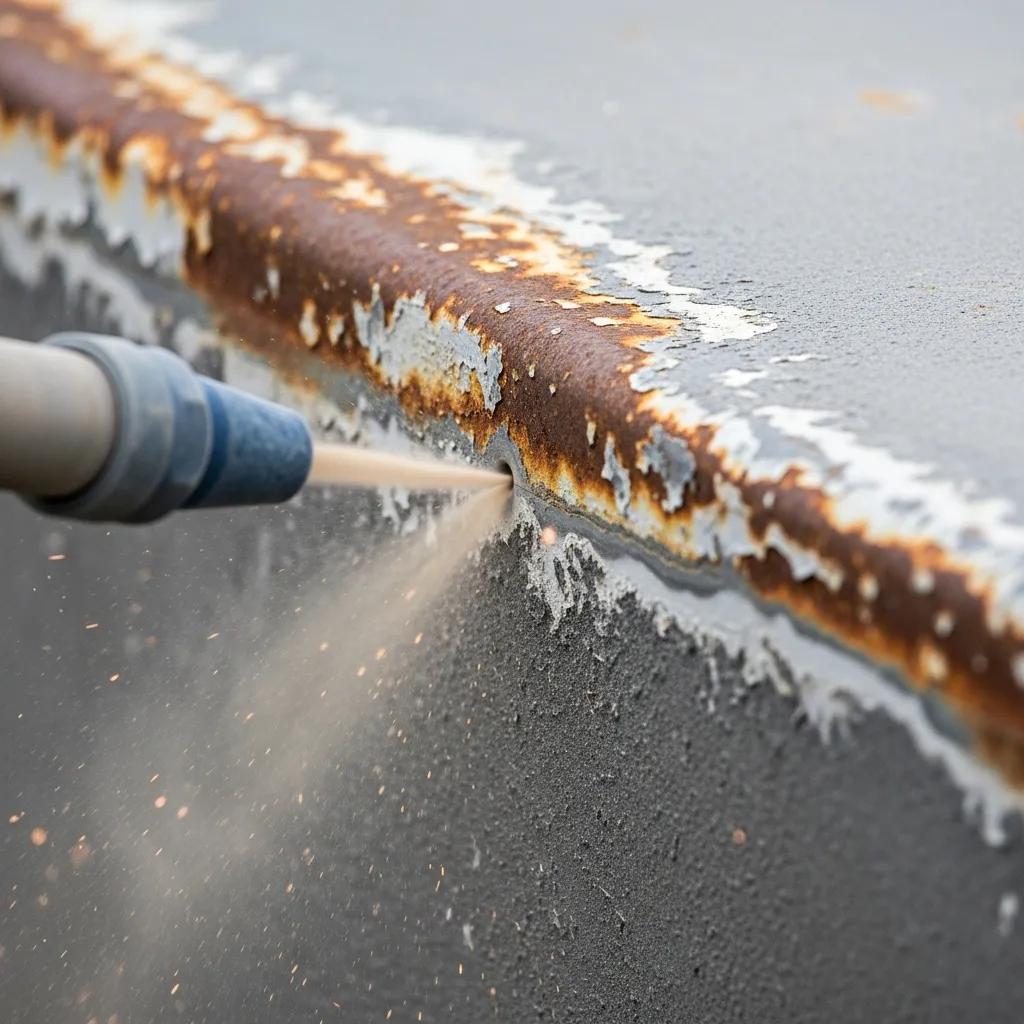
Sandblasting is an effective method for removing paint from various surfaces, including metal, wood, and concrete. This technique can efficiently strip away layers of paint, rust, and other contaminants, preparing the surface for refinishing.
How Does Sandblasting Remove Rust and Old Paint Efficiently?
Sandblasting removes rust and old paint by using high-velocity abrasive materials that impact the surface, dislodging contaminants. The choice of abrasive media, such as aluminum oxide or glass beads, can significantly affect the efficiency of the process. For instance, aluminum oxide is highly effective for heavy rust removal, while glass beads are gentler and suitable for delicate surfaces.
What Safety and Environmental Considerations Are Essential During Paint Removal?
When performing sandblasting for paint removal, safety and environmental considerations are paramount. Essential safety measures include:
- Personal Protective Equipment (PPE): Use appropriate PPE, such as respirators, gloves, and protective clothing, to safeguard against dust and debris.
- Ventilation: Ensure adequate ventilation in the work area to minimize inhalation of harmful particles.
- Waste Management: Properly manage waste materials generated during the process to prevent environmental contamination.
These practices help ensure a safe working environment while minimizing the ecological impact of sandblasting activities.
Why Choose Professional Sandblasting Services in Southeast Michigan?
Hiring professional sandblasting services can significantly enhance the quality and efficiency of your surface preparation projects. Professionals bring expertise, advanced equipment, and a thorough understanding of best practices, ensuring optimal results.
How Does Expert Surface Preparation Extend Coating Lifespan?
Expert surface preparation is crucial for extending the lifespan of coatings. Professionals utilize advanced techniques and equipment to ensure that surfaces are thoroughly cleaned and properly prepared. This meticulous approach leads to improved adhesion and durability of the coatings, ultimately resulting in a longer-lasting finish.
What Are the Cost and Value Benefits of Hiring Professionals?
While hiring professional sandblasting services may involve an upfront cost, the long-term value is often greater. Professionals can help avoid costly mistakes, reduce the need for rework, and ensure that coatings last longer. This investment in quality preparation can lead to significant savings over time, making it a wise choice for both residential and commercial projects.
| Technique | Equipment | Benefits |
|---|---|---|
| Dustless Sandblasting | Water and abrasive mixture | Reduces dust, improves visibility |
| Traditional Sandblasting | Air-powered abrasive blasters | Effective for heavy-duty cleaning |
| Vacuum Blasting | Abrasive with vacuum system | Minimizes waste and environmental impact |
This table highlights the various sandblasting techniques and their respective benefits, showcasing the importance of selecting the right method for specific applications.
In conclusion, understanding the intricacies of sandblasting and surface preparation is essential for achieving optimal coating results. By employing the right techniques and equipment, and considering professional services, you can ensure that your projects are completed to the highest standards.
Comments are closed