
Comprehensive Guide to Concrete Polishing and Surface Finishes: Benefits, Preparation, and Maintenance
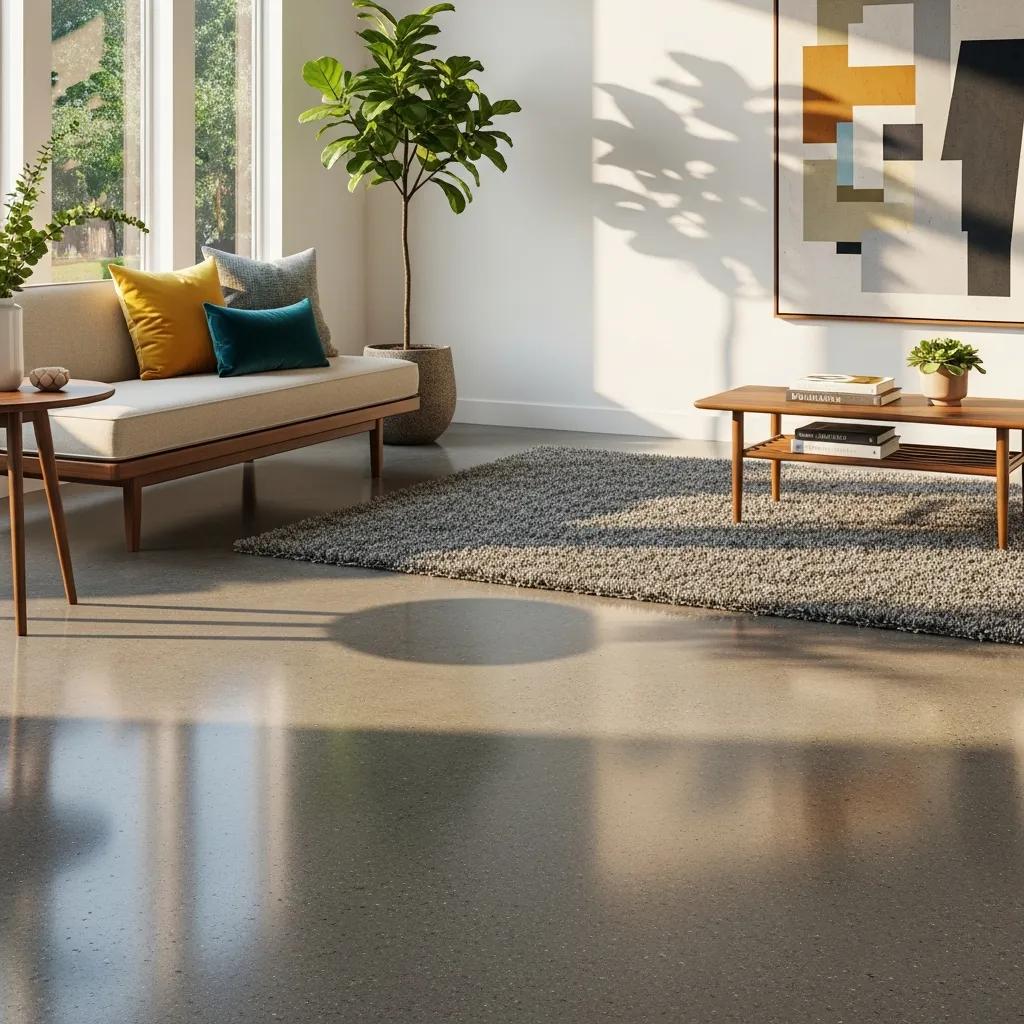
Concrete polishing and surface finishes have become increasingly popular in both residential and commercial settings due to their aesthetic appeal and durability. This guide will explore the various benefits of polished concrete floors, the preparation process required for effective polishing, the types of coatings and finishes available, and best practices for maintenance. By understanding these aspects, property owners can make informed decisions about enhancing their spaces with polished concrete solutions.
Many individuals and businesses seek flooring options that are not only visually appealing but also practical and long-lasting. Polished concrete offers a solution that meets these needs, providing a sleek, modern look while being easy to maintain. This article will delve into the key benefits of polished concrete floors, the essential steps in surface preparation, the different types of coatings available, and how to manage maintenance effectively.
What Are the Key Benefits of Polished Concrete Floors?
Polished concrete floors offer numerous advantages that make them an attractive choice for various environments. These benefits include enhanced durability, improved aesthetics, and lower maintenance needs.
| Benefit | Description | Value |
|---|---|---|
| Enhanced Durability | Polished concrete is resistant to wear and tear, making it ideal for high-traffic areas. | Long-lasting performance |
| Improved Aesthetics | The reflective surface of polished concrete enhances lighting and creates a modern look. | Increased visual appeal |
| Lower Maintenance Needs | Polished concrete requires minimal upkeep compared to traditional flooring options. | Cost-effective in the long run |
The durability of polished concrete floors is particularly noteworthy. They can withstand heavy foot traffic and resist stains, making them suitable for both residential and commercial applications. Additionally, the aesthetic appeal of polished concrete can elevate the overall design of a space, providing a sleek and contemporary look.
For those considering polished concrete, GetPro Painting specializes in professional concrete polishing and coating services, ensuring high-quality results tailored to your specific needs.
How Does Polishing Enhance Floor Durability and Appearance?
The polishing process involves grinding the concrete surface with diamond polishing pads, which not only smooths the surface but also increases its resistance to wear. This enhanced durability is crucial in environments where heavy machinery or foot traffic is common. Furthermore, the reflective nature of polished concrete reduces the need for additional lighting, making spaces brighter and more inviting.
The historical application of diamond grinding further underscores its importance in achieving high-quality concrete finishes and restoring pavement integrity.
Diamond Grinding for Concrete Surface Finish & Restoration
Diamond saw grinding, in 1965, first provided a final surface finish to an existing concrete highway. Improvements in diamond saw blades and grinding equipment during the past twenty years have made diamond grinding the most cost effective technique to restore riding quality and skid-resistance to a structurally sound concrete pavement.
Restoration of Final Surface to Concrete Pavement by Diamond Saw Grinding, 1985
In addition to durability, polishing improves the overall appearance of concrete floors. The process can create a high-gloss finish that enhances the color and texture of the concrete, allowing for a more aesthetically pleasing environment. This makes polished concrete an excellent choice for showrooms, retail spaces, and modern homes.
What Cost and ROI Advantages Do Polished Concrete Floors Offer?
Investing in polished concrete floors can lead to significant cost savings over time. The longevity of polished concrete reduces the frequency of replacements, which can be a substantial expense for property owners. Additionally, the lower maintenance requirements mean that less time and money are spent on upkeep compared to traditional flooring options.
Moreover, polished concrete can increase property value. Its modern look and durability appeal to potential buyers or tenants, making it a wise investment for property owners looking to enhance their spaces.
How Is Concrete Surface Preparation Conducted for Polishing?
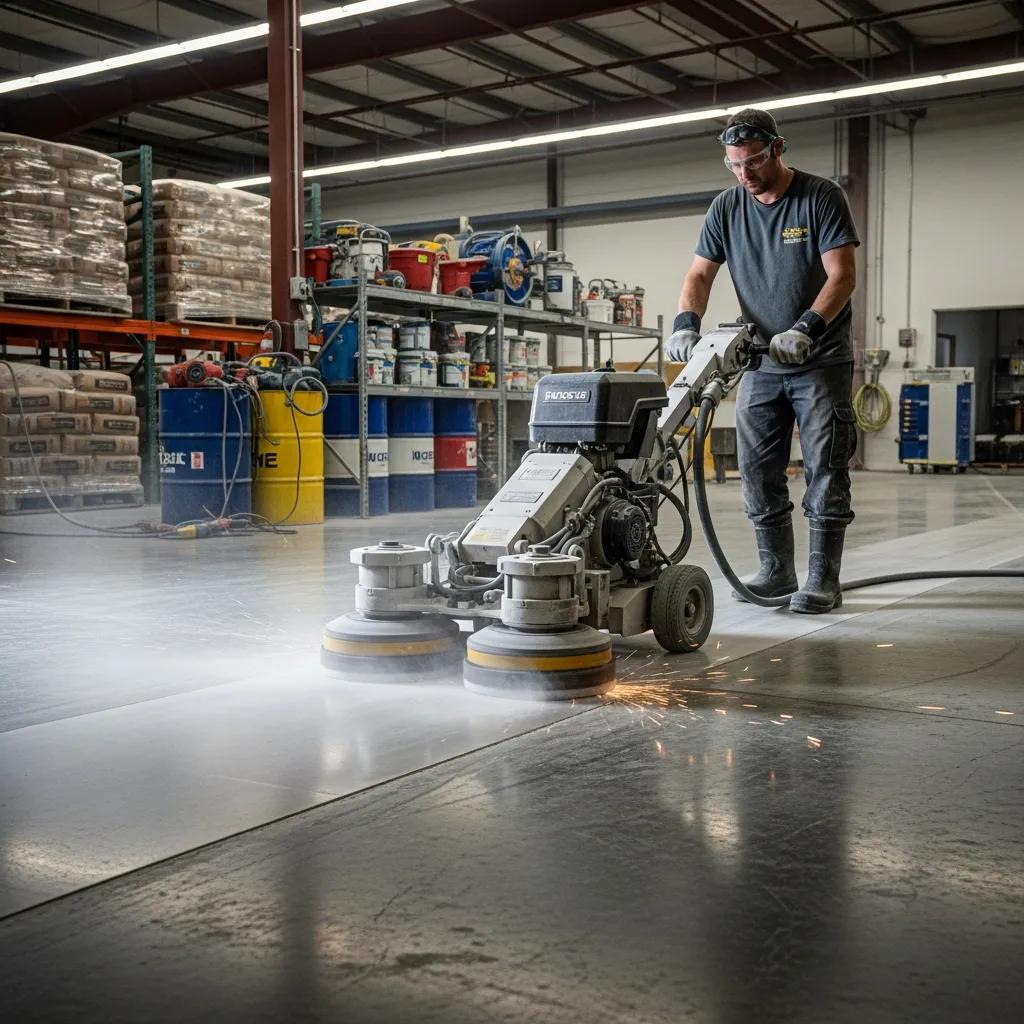
Proper surface preparation is critical for achieving optimal results when polishing concrete. This process involves several essential steps to ensure the concrete is ready for polishing.
Indeed, extensive research and practical experience highlight the critical role of proper surface preparation in ensuring the success and longevity of concrete repair and overlay projects.
Concrete Surface Preparation Guidelines & Best Practices
These guidelines contain design and construction recommendations for surface preparation of concrete for repair and overlay. The paper illustrates current knowledge, best practices and results of the research concerning the surface preparation of concrete prior to application of repair/overlay materials.
Guidelines for concrete surface preparation: 10 years research and experience, L Courard, 2018
What Are the Essential Steps in Surface Grinding and Cleaning?
The surface preparation process begins with an initial cleaning to remove any dirt, debris, or contaminants. Following this, grinding is performed to achieve a smooth surface. This step is crucial as it sets the foundation for the polishing process. Finally, a thorough cleaning is conducted to remove any dust or residue left from the grinding process, ensuring a clean surface for polishing.
Which Tools and Materials Are Used in Surface Preparation?
Several tools and materials are essential for effective surface preparation. These include:
- Grinding Machines: Used to grind the concrete surface to the desired smoothness.
- Diamond Polishing Pads: These pads are crucial for achieving the polished finish.
- Cleaning Agents: Specialized cleaning solutions help remove contaminants and prepare the surface for polishing.
Using the right tools and materials is vital for ensuring a successful concrete polishing project.
What Types of Concrete Coatings and Finishes Are Available?
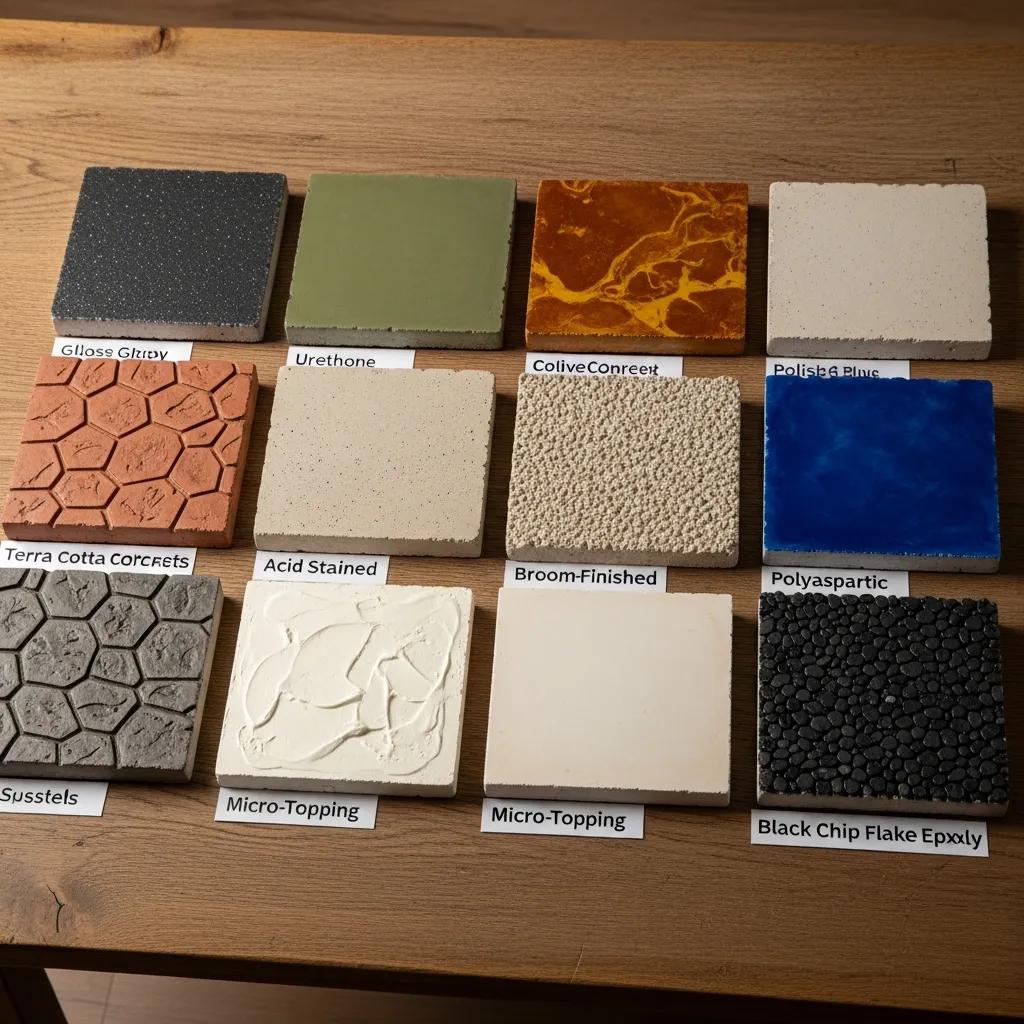
There are various coatings and finishes available for concrete, each offering unique benefits and aesthetic options. Understanding these options can help property owners choose the best solution for their needs.
How Do Epoxy and Other Coatings Compare in Performance?
Epoxy coatings are a popular choice for concrete surfaces due to their durability and resistance to chemicals. They provide a strong protective layer that enhances the longevity of the concrete beneath. Other coatings, such as urethane and polyaspartic, also offer excellent performance but may differ in application methods and drying times.
What Are the Options for Stained and Colored Concrete Finishes?
Stained and colored concrete finishes allow for a wide range of aesthetic possibilities. Property owners can choose from various stain types, including acid stains, water-based stains, and dye stains, each offering different color options and effects. Application techniques can also vary, allowing for unique designs that enhance the overall look of the space.
GetPro Painting offers expertise in concrete coatings and finishes, providing tailored solutions to meet the specific needs of residential, commercial, and industrial clients.
How Should Industrial Concrete Polishing and Floor Maintenance Be Managed?
Maintaining polished concrete floors in industrial settings requires a strategic approach to ensure longevity and performance.
What Are Best Practices for Maintaining Polished Concrete Floors?
Regular maintenance routines are essential for keeping polished concrete floors in optimal condition. This includes:
- Frequent Cleaning: Regularly sweeping and mopping to remove dirt and debris.
- Using Appropriate Cleaning Products: Selecting pH-neutral cleaners to avoid damaging the surface.
- Periodic Resealing: Applying a protective sealant every few years to maintain the floor’s shine and durability.
Implementing these best practices can significantly extend the life of polished concrete floors.
How Long Does Polished Concrete Typically Last Under Industrial Use?
Polished concrete floors can last for many years, even under heavy industrial use. Factors that influence their longevity include the quality of the initial installation, the type of traffic they endure, and the maintenance practices employed. With proper care, polished concrete can remain functional and visually appealing for decades.
In conclusion, polished concrete floors offer a blend of durability, aesthetic appeal, and low maintenance, making them an excellent choice for various applications. Understanding the benefits, preparation processes, available coatings, and maintenance practices can help property owners make informed decisions about their flooring options. For professional assistance, GetPro Painting is ready to provide expert concrete polishing and coating services tailored to your needs.
Comments are closed