
Complete Residential Painting Services Guide: Expert House Painting Solutions for Homeowners
Residential painting services encompass a wide range of professional solutions designed to enhance the aesthetic appeal and longevity of homes. Homeowners often seek these services to refresh their living spaces, protect surfaces, and increase property value. This guide provides an in-depth look at the various types of residential painting services available, the preparation methods used by contractors, factors influencing project costs, and maintenance tips for long-lasting results. By understanding these aspects, homeowners can make informed decisions when hiring painting professionals. The article will cover the following sections: professional painting services, surface preparation techniques, cost factors, and maintenance strategies.
What Professional House Painting Services Are Available for Residential Properties?
Professional house painting services offer a variety of options tailored to meet the specific needs of homeowners. These services include interior and exterior painting, as well as specialized coatings for different surfaces. Hiring licensed professionals ensures that the job is done correctly, using high-quality materials and techniques that enhance the durability and appearance of the paintwork.
Licensed Interior Painting Contractors: Expertise and Techniques
Licensed interior painting contractors bring a wealth of expertise and techniques to the table. They are trained to handle various surfaces and understand the nuances of color selection, application methods, and finishing touches. Their knowledge ensures that the paint adheres properly and lasts longer, providing a beautiful finish that transforms living spaces. Additionally, licensed contractors are familiar with local building codes and regulations, ensuring compliance and safety during the painting process.
Exterior House Painters: Durable and Weather-Resistant Finishes
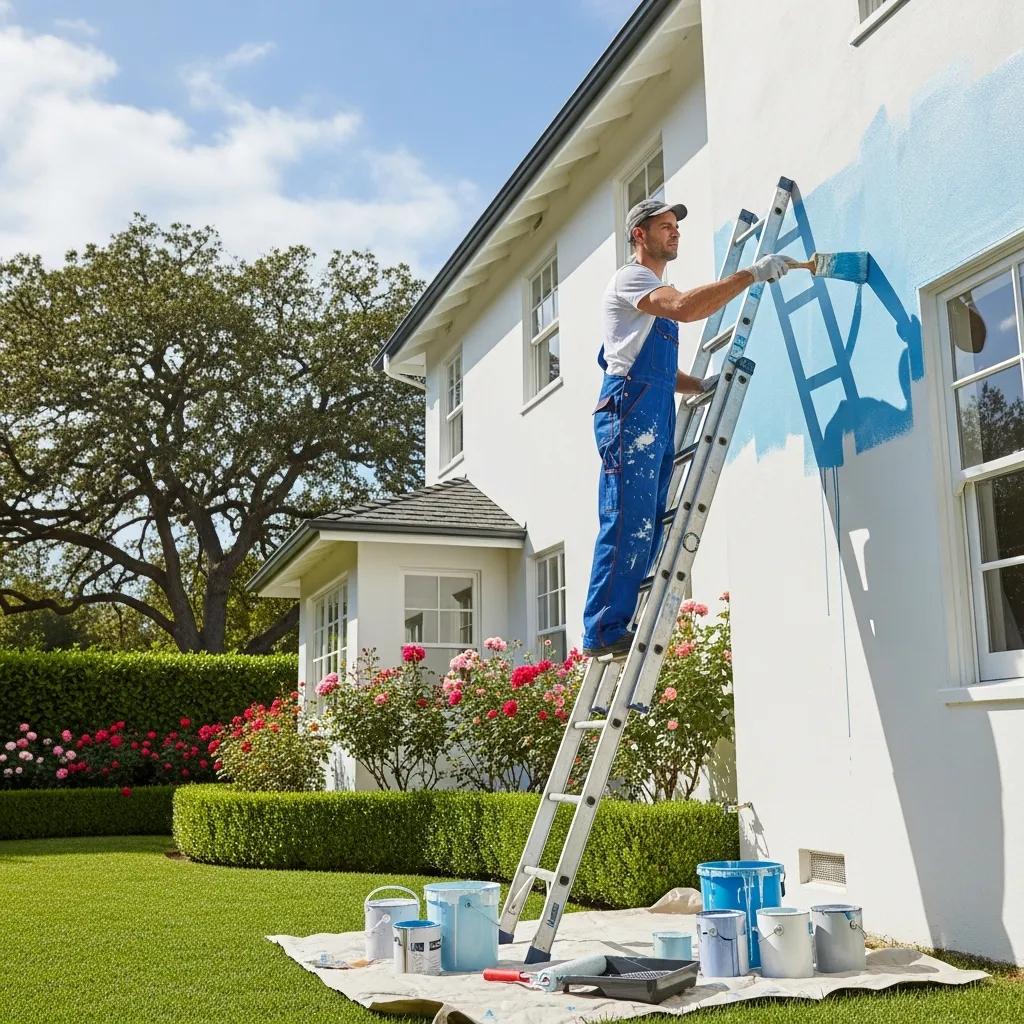
Exterior house painters specialize in applying durable and weather-resistant finishes that protect homes from the elements. These professionals use high-quality exterior paints designed to withstand harsh weather conditions, UV rays, and moisture. The benefits of hiring exterior painters include enhanced protection against damage, improved curb appeal, and increased property value. Their expertise ensures that the paint not only looks great but also lasts for years, reducing the need for frequent repaints.
How Do Residential Paint Contractors Prepare Surfaces for Quality Results?
Surface preparation is a critical step in the painting process that significantly impacts the final results. Proper preparation ensures that the paint adheres well and provides a smooth, even finish. Residential paint contractors employ various methods to prepare surfaces, including cleaning, sanding, and priming.
Surface Preparation Methods for Interior and Exterior Walls
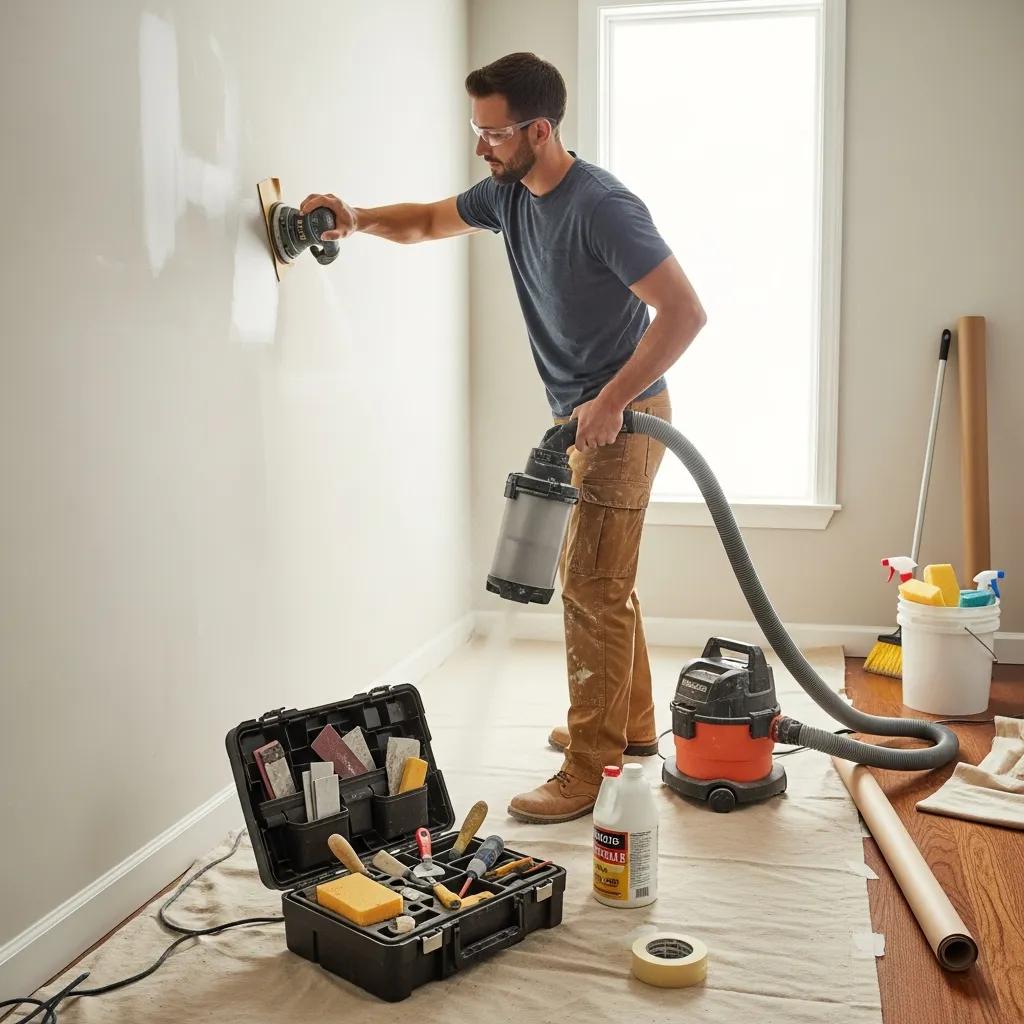
For interior walls, contractors typically start by cleaning the surfaces to remove dust, grease, and old paint. This may involve washing the walls or using a chemical cleaner. Once cleaned, they may sand the surfaces to create a smooth texture and fill any holes or cracks with spackle. For exterior walls, preparation often includes power washing to remove dirt and mildew, scraping off loose paint, and applying a primer to enhance adhesion.
Integrating Concrete Coating with Painting for Enhanced Durability
Integrating concrete coating with painting can significantly enhance the durability of surfaces, especially in high-traffic areas. Concrete coatings provide a protective layer that resists stains, chemicals, and wear. This combination not only improves the appearance of concrete surfaces but also extends their lifespan, making it a popular choice for garages, patios, and driveways.
What Factors Influence the Cost and Timeline of Residential Painting Projects?
Several factors influence the cost and timeline of residential painting projects. Understanding these elements can help homeowners budget effectively and set realistic expectations for project completion.
Estimating Pricing for Professional Home Painters in Southeast Michigan
The cost of hiring professional home painters in Southeast Michigan can vary based on several factors, including the size of the project, the type of paint used, and the complexity of the job. On average, homeowners can expect to pay between $2 to $6 per square foot for interior painting, while exterior painting may range from $1.50 to $4 per square foot. Additional costs may arise from surface preparation, repairs, and the use of specialty paints.
Typical Project Durations and Scheduling Considerations
The duration of painting projects can vary widely depending on the scope of work. Smaller interior jobs may take 1-3 days, while larger exterior projects can extend to a week or more. Scheduling considerations, such as weather conditions and contractor availability, also play a crucial role in determining project timelines. Homeowners should plan ahead and communicate with their chosen contractors to ensure a smooth process.
How Can Homeowners Maintain Painted Surfaces for Long-Lasting Appearance?
Maintaining painted surfaces is essential for preserving their appearance and extending their lifespan. Homeowners can take several proactive steps to ensure their paint remains vibrant and intact.
Recommended Maintenance Tips for Interior and Exterior Paint
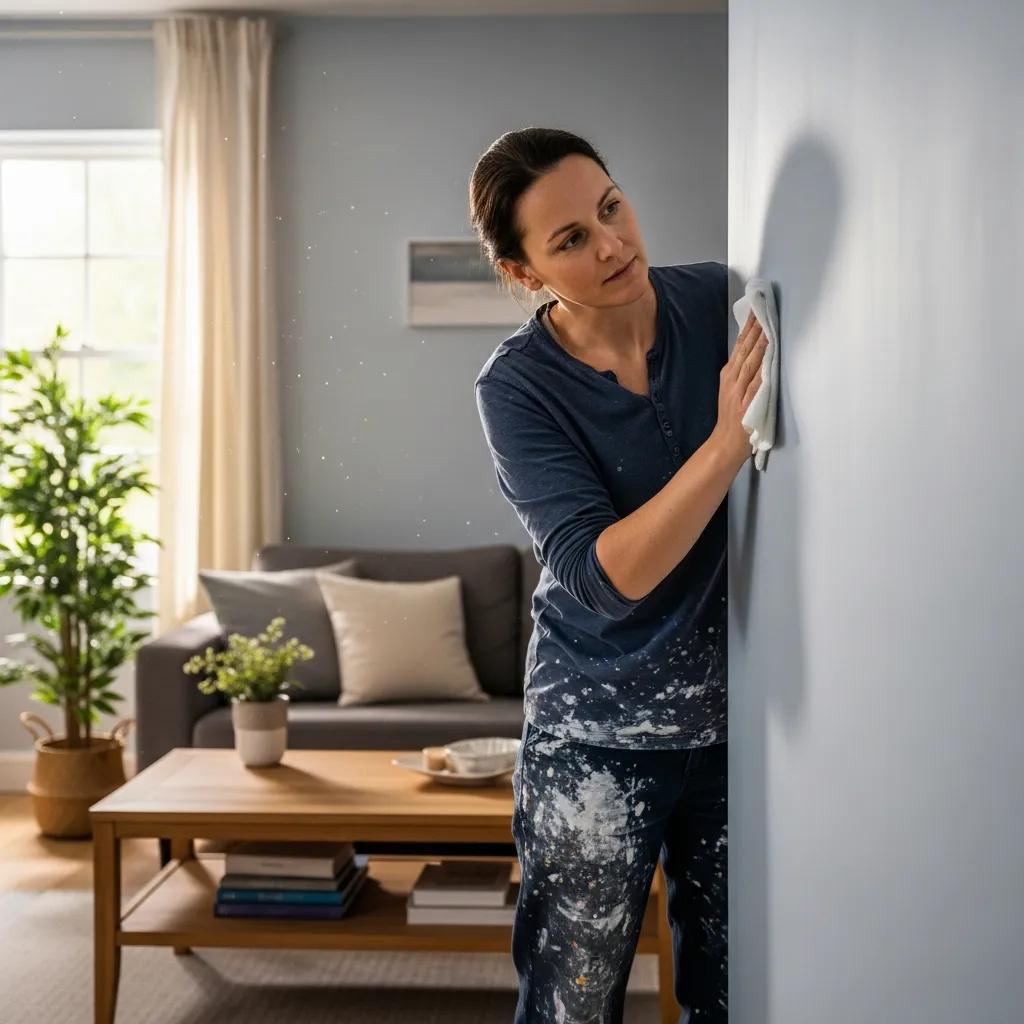
Regular inspections and cleaning are vital for maintaining painted surfaces. Homeowners should check for signs of wear, such as peeling or fading, and address these issues promptly. For interior walls, gentle cleaning with a damp cloth can remove dust and stains. Exterior surfaces may require periodic washing to prevent mildew and dirt buildup. Additionally, touching up any damaged areas can help maintain a uniform appearance.
Benefits of Warranty Services and Eco-Friendly Paint Options
Many professional painting services offer warranty options that provide peace of mind for homeowners. Warranties typically cover defects in workmanship and materials, ensuring that any issues are addressed without additional costs. Furthermore, opting for eco-friendly paint options can benefit both the environment and the health of residents. These paints often have lower levels of volatile organic compounds (VOCs), making them safer for indoor air quality.
Research further supports the importance of evaluating and selecting low VOC paints for residential health.
Evaluating Low VOC Paints for Residential Health
To protect people sensitive to exposure to VOCs it is important to evaluate and select low VOCs emitting paints. In this paper, therefore, twelve different paints provided by local manufacturers were selected for analysis to characterize total volatile organic compounds (TVOC) emissions. Emissions of TVOCs from six organic solvent-soluble paints and six water-soluble paints were evaluated using a small test chamber under controlled temperature, relative humidity and air exchange rates.
Characterization of total volatile organic compound emissions from paints, H Guo, 2000
| Service Type | Cost Factor | Impact |
|---|---|---|
| Interior Painting | Size of the area | Higher costs for larger spaces |
| Exterior Painting | Type of paint | Specialty paints may increase costs |
| Surface Preparation | Condition of surfaces | More prep work leads to higher costs |
This table illustrates how different service types and cost factors can impact the overall pricing of residential painting projects, helping homeowners make informed decisions.
Comments are closed