
Professional Cabinet Painting & Refinishing Services: Expert Guidance and Cost Insights
By GetPro Painting, GetPro Painting
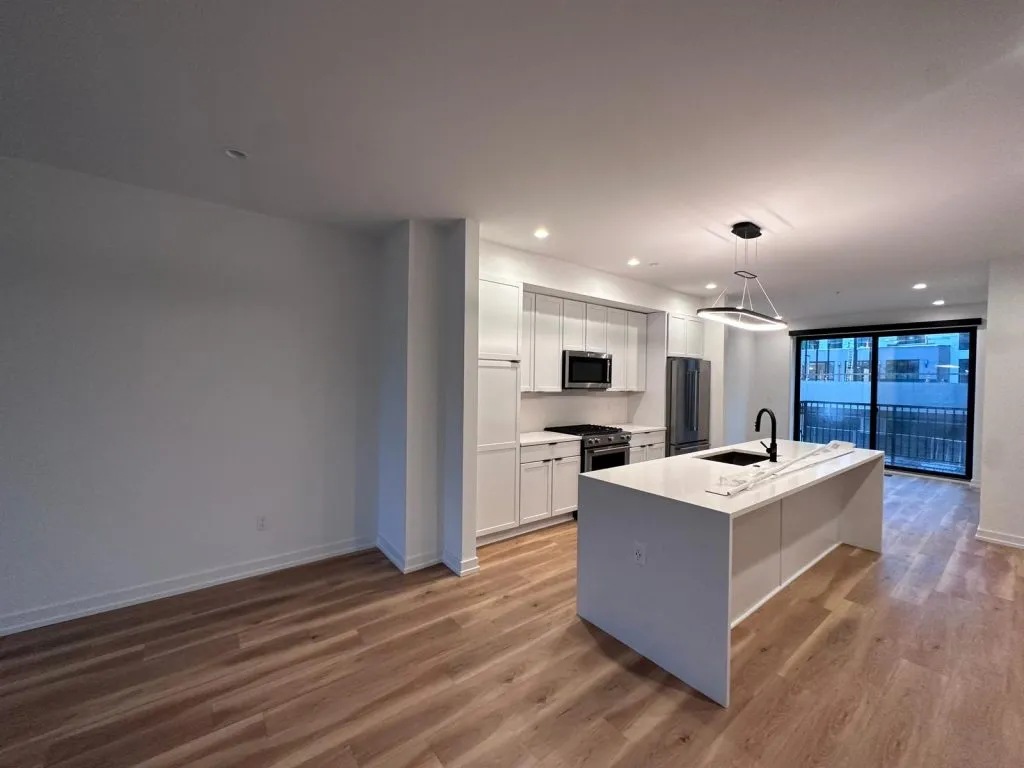
Cabinet painting and refinishing can dramatically enhance the appearance and longevity of your kitchen or bathroom space, making it a popular option among homeowners and business owners alike. This guide delves into effective techniques, material choices, and associated costs, offering insights to ensure the best outcomes in your cabinet project. Quality cabinet refinishing provides an opportunity to update your space without the significant expense of full replacements, allowing for a refreshing new look. We will explore vital preparation techniques, maintenance tips, and the best types of paint to use, ensuring your cabinets not only look great but also stand the test of time.
Expert Guidance on Techniques and Materials
When it comes to cabinet painting and refinishing, understanding the various techniques and materials is crucial for achieving professional results. Different application methods, such as spraying, rolling, or brushing, each have their unique advantages and drawbacks. For example, spraying often yields the smoothest finish, while brushing may provide better paint adhesion in specific situations.
Additionally, the choice of materials can significantly affect durability and finish quality. High-quality paint and the right primer create a foundation for lasting results. Recommendations suggest using acrylic latex paints for their durability and ease of cleanup, which also aligns with eco-friendly practices.
Cost Insights
Understanding the financial aspect of cabinet refinishing is essential for planning your project. Prices can vary widely depending on factors like cabinet condition, size, and the complexity of the project. Typical costs for professional cabinet painting range from $1,000 to $3,000, depending on the scope of work and materials used.
Factors influencing these costs include labor rates and the time required for various tasks. Hiring skilled professionals can ensure a level of quality that DIY methods often cannot match.
Preparation Techniques
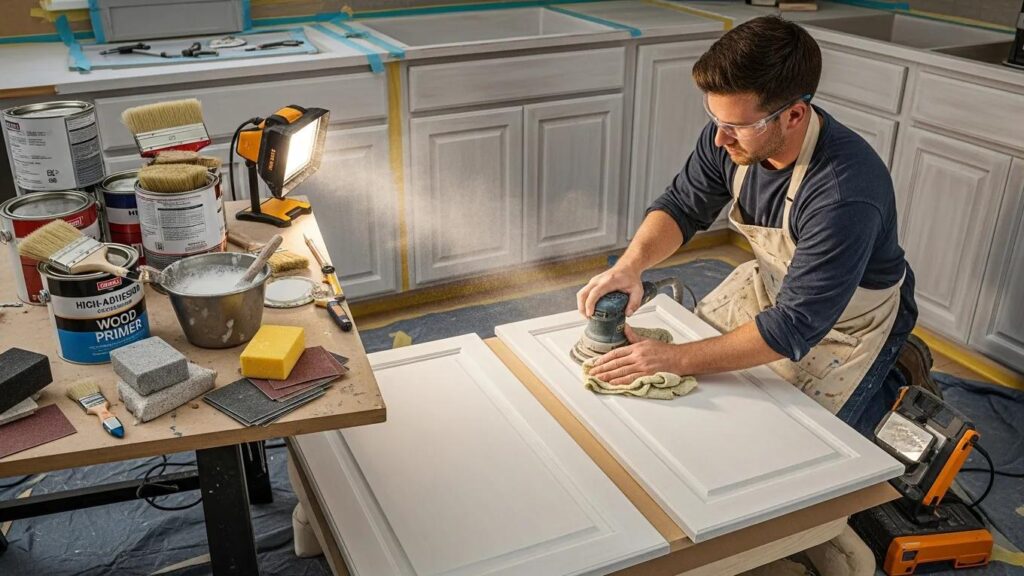
Proper preparation is fundamental to achieving a durable and visually appealing cabinet finish. A well-prepared surface enhances paint adhesion and longevity, minimizing the risk of chipping and peeling.
Essential preparation steps include cleaning, sanding, and priming the surfaces. The preparation process not only addresses surface defects but also sets a uniform base for the new finish, enhancing the overall result of your project.
What Are the Key Steps in Cabinet Surface Preparation Techniques?
The primary steps in cabinet surface preparation involve thorough cleaning, sanding to create a textured surface for paint adhesion, and applying a suitable primer to seal the material.
- Cleaning: Start by removing all grease, dust, and old paint from the surfaces.
- Sanding: Lightly sand the surfaces to create a texture that promotes better adhesion.
- Priming: An appropriate primer seals the surface and helps prevent bleed-through stains from the wood.
Incorporating these techniques reduces the chances of failure later on. For best results, many homeowners find that employing professional services can ensure these crucial steps are handled correctly.
How Does Sanding and Caulking Improve Paint Adhesion?
Sanding and caulking are integral to enhancing paint adhesion. Sanding creates micro-scratches on the surface that allow the paint to bond more effectively. Additionally, using quality caulking to fill any gaps ensures a smooth transition at joints and seams, preventing water from seeping in and causing damage.
Why Is Primer Application Critical for Cabinet Refinishing?
The application of primer is critical because it acts as a barrier between the wood and the paint. It helps in creating an even surface for paint application, reducing the number of coats needed and improving the final finish. Selecting the right type of primer according to the surface being painted can lead to significantly better results.
Which Paint Types and Colors Are Best for Kitchen Cabinet Painting?
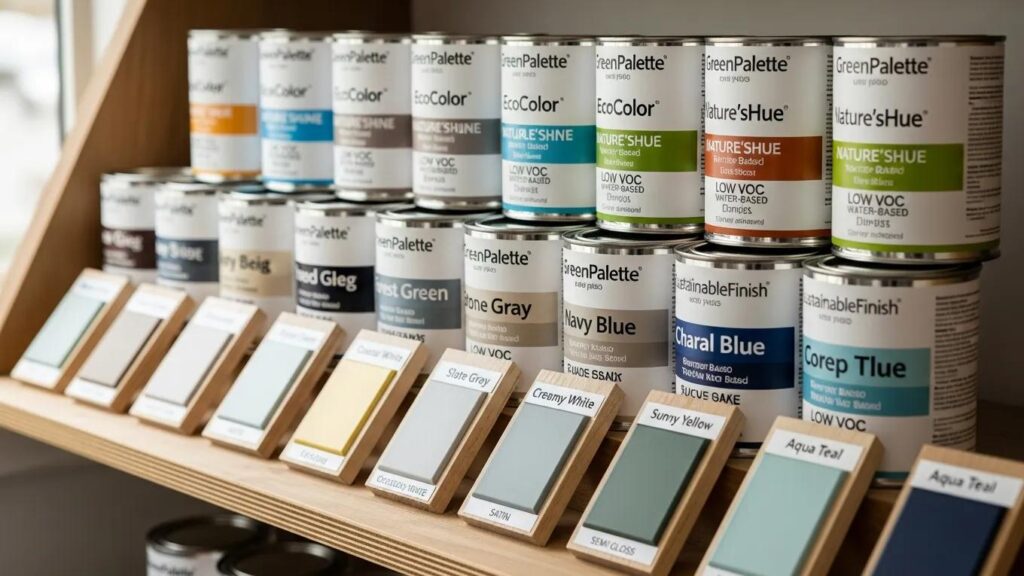
Choosing the right paint types and colors for kitchen cabinets can transform the entire space. Various formulations cater to different needs, and selecting the appropriate type is vital for ensuring durability and visual appeal.
Acrylic latex paints are favored for their durability, resistance to chipping, and easy clean-up, making them an excellent choice for kitchen environments.
What Are the Advantages of Oil-Based vs. Latex Paints?
Oil-based paints offer exceptional durability and a more robust finish, making them ideal for high-traffic areas. However, they can take longer to dry and often require solvents for cleaning. Conversely, latex paints are water-based, facilitating easier application and quicker drying times, which can be advantageous for busy households.
How to Choose Professional Cabinet Paint Colors for Durability and Style?
Selecting colors that align with current trends and the overall style of your home can enhance the visual appeal of your cabinetry. The consideration of color durability in various kitchen environments is vital. Colors with high light-reflective values can brighten space, while darker shades offer a sophisticated contrast.
What Factors Influence Cabinet Refinishing Cost and Project Duration?
Several factors contribute to the total cost and duration of cabinet refinishing, including the size of the kitchen, cabinet condition, and selected painting methods.
- Size of Project: Larger kitchens with more cabinets will typically incur higher costs due to increased labor and material needs.
- Cabinet Condition: Existing damage or wear may require additional repairs before refinishing, impacting total cost.
- Labor Considerations: Professional services may be more expensive, but they often yield a higher-quality finish.
How Do Surface Condition and Preparation Affect Costs?
The surface condition directly influences preparation time, which affects the overall cost. If cabinets require extensive repairs or cleaning, those additional steps will lead to higher labor costs.
| Surface Condition | Preparation Technique | Cost Impact |
|---|---|---|
| Good | Light sanding | Low |
| Fair | Moderate filling | Medium |
| Poor | Extensive stripping | High |
This table illustrates how varying surface conditions and preparation techniques correlate with expected costs, allowing for better budgeting.
What Is the Typical Timeframe for Professional Cabinet Painting?
For a typical kitchen, the cabinet painting process can take anywhere from 1 to 2 weeks from start to finish. Factors such as the number of cabinets, drying times, and any necessary preparation can all influence this timeframe.
How Do Environmental and Climate Conditions Affect Paint Performance?
Environmental conditions play a significant role in the performance of paint. Temperature and humidity levels can impact drying times and adhesion quality.
Why Is Climate-Aware Paint Selection Essential in Southeast Michigan?
In climates like Southeast Michigan, where humidity levels can fluctuate significantly, selecting paints that can withstand these conditions is critical. Paints designed for high moisture areas can help maintain longevity and performance.
What Environmental Benefits Does Cabinet Refinishing Offer Over Replacement?
Cabinet refinishing often presents notable environmental benefits compared to full replacement. Choosing to refinish rather than replace helps to minimize waste and reduces the carbon footprint associated with manufacturing new materials.
- Waste Reduction: Refinishing helps divert materials from landfills.
- Lower Carbon Footprint: By opting for refinishing, fewer resources are consumed compared to new cabinets.
- Durability: Quality refinishing can extend the life of existing cabinets, reducing the need for eventual replacement.
When Should You Choose Professional Cabinet Painting Over DIY Methods?
While DIY projects can be tempting, hiring professionals may often yield better results and save time. Projects requiring intricate techniques or expert knowledge are best left to the experts.
What Are the Risks of Improper Surface Preparation in DIY Projects?
Improper preparation can lead to paint failures such as peeling and chipping, ultimately requiring a redo of the entire project. Common pitfalls include neglecting sand and primer steps, which can compromise paint adhesion and finish quality.
How Does Professional Expertise Improve Refinishing Durability?
Engaging cabinet painters can enhance the durability of your cabinet finishes through tried-and-true techniques and high-quality materials. Their expertise ensures all aspects of the refinishing process are executed to a high standard, providing long-lasting results that meet aesthetic expectations.
Getting in touch with a skilled team can make all the difference when it comes to the quality and longevity of your cabinet refinishing project. Pro Painting emphasizes not just the application of materials but also the significance of proper preparation and technique, offering an advantage that could be transformative for your home.
Comments are closed