
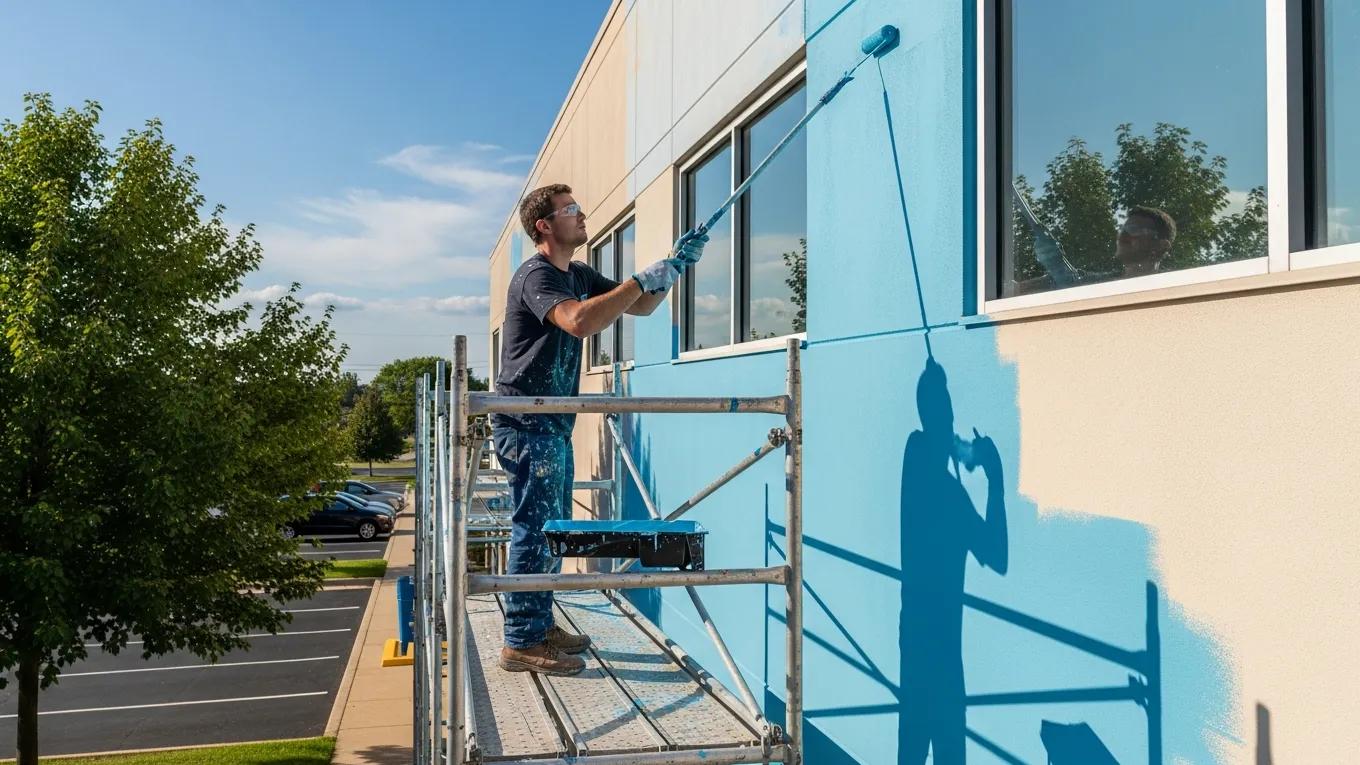
How to Choose the Right Commercial Exterior Painting Contractors for Your Project
Selecting the right commercial exterior painting contractors is key to a successful project. Skilled professionals improve your building’s appearance and protect your investment by delivering durable, long-lasting results. This guide outlines the considerations business owners should use when hiring exterior painters: required qualifications and credentials, the role of surface preparation, appropriate paint products for Southeast Michigan’s climate, and clear communication and scheduling practices to keep your project on track.
What Qualifications and Credentials Should You Look for in Commercial Painting Contractors?
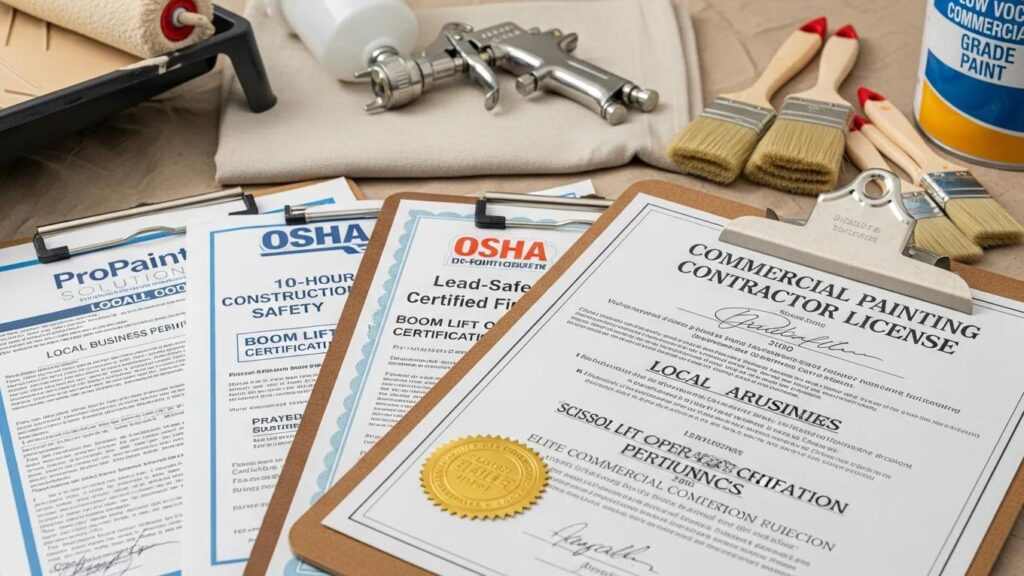
Confirming a contractor’s qualifications reduces project risk. Look for valid licensing, current insurance, and demonstrable experience with commercial exteriors. These elements indicate the contractor understands regulatory requirements and can meet project specifications.
How Does Licensing and Insurance Protect Your Commercial Painting Project?
Licensing shows a contractor meets state standards and follows industry safety practices. Insurance protects you from liability for on-site accidents or property damage, covering repair costs and claims. Hiring unlicensed or uninsured contractors can expose you to financial and legal risks.
Which Experience and References Demonstrate Contractor Expertise for Commercial Exterior Painting?
Experience and references reveal a contractor’s reliability. Review project portfolios for work similar to yours, and check customer testimonials for workmanship and communication quality. A thorough vetting process helps you select a contractor suited to your project’s scope and complexity.
How Important Is Surface Preparation in Commercial Building Exterior Restoration?
Surface preparation is foundational to a durable exterior paint system. Proper preparation promotes adhesion and resists weathering; skipping steps can lead to peeling, chipping, and a shortened service life for the paint.
What Repair and Priming Steps Are Essential Before Applying Exterior Paint?
Key preparatory steps include cleaning to remove dirt and mildew, repairing cracks and damaged substrates with appropriate fillers, and applying primer where required. Primer creates a uniform surface that improves adhesion and helps achieve a consistent finish.
How Does Proper Surface Preparation Extend Paint Durability?
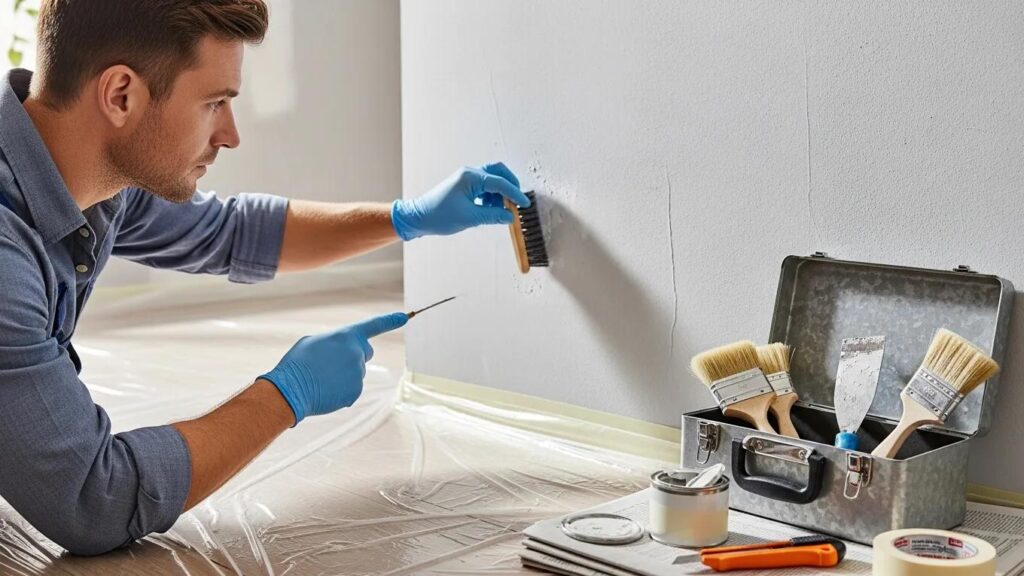
Thorough surface preparation increases paint adhesion and reduces moisture intrusion, which helps prevent peeling and weather damage. Contractors experienced in exterior restoration, such as GetPro Painting, emphasise preparation as a critical phase of their process.
Which Exterior Paints Are Best for Commercial Buildings in Southeast Michigan?
Choose exterior paints formulated to withstand Southeast Michigan’s climate swings. Products that resist moisture, ultraviolet exposure, and temperature variation will deliver longer service life and lower maintenance needs.
What Weather-Resistant Paint Types Offer Long-Lasting Protection?
High-quality acrylics and hybrid formulations perform well in variable weather. These coatings offer strong adhesion, flexibility to cope with thermal movement, and moisture resistance—features that support longevity on commercial exteriors.
How Can You Assess Project Timelines and Expectations with Commercial Painting Contractors?
Establish timelines and expectations at project outset to reduce misunderstandings. A professional contractor will review factors that affect schedule, including forecasted weather, building size, and the technical complexity of surface work.
What Factors Influence Commercial Exterior Painting Project Duration?
Project duration depends on building size, the complexity of architectural details, and surface condition. Weather windows also dictate when exterior work can proceed safely and effectively.
Which Communication Practices Ensure Transparency Throughout the Project?
Consistent, clear communication builds trust. Regular progress reports, early notification of issues, and agreed checkpoints for approvals keep stakeholders informed and help prevent delays.
When Is It Time to Schedule Commercial Building Exterior Restoration and Repainting?
Scheduling restoration and repainting before issues worsen preserves your building and can reduce long-term repair costs. Timely maintenance prevents minor defects from becoming more extensive problems.
What Are Common Indicators That Exterior Paint Needs Replacement?
Indicators include cracking, peeling, significant fading, mold or mildew from retained moisture, and failing caulking around openings. Addressing these signs promptly helps protect the structure and maintain its appearance.
How Does Climate Impact the Frequency of Exterior Painting Required?
Southeast Michigan’s humidity, temperature swings, and precipitation accelerate wear on exterior coatings. Buildings in harsher microclimates will generally require more frequent maintenance to preserve protective performance.
What Are the Best Practices to Hire Commercial Painters Near Me?
Use a structured selection process to evaluate commercial painters: confirm credentials, review portfolios, compare itemised estimates, and check references to assess capability and reliability.
How to Compare Commercial Painting Estimates and Evaluate Cost Factors?
Compare estimates by examining what each covers—labor, materials, surface preparation, and waste disposal. Itemised quotes reveal scope differences and help identify potential hidden costs.
What Questions Should You Ask to Ensure Contractor Reliability?
Ask about experience with similar commercial projects, request references, and clarify how they handle permits and inspections. Reliable contractors provide clear, documented answers and examples from past work.
Frequently Asked Questions
What should you consider regarding project warranties when hiring a commercial painting contractor?
A project warranty reflects the contractor’s confidence in their work and protects your investment. Reputable contractors typically offer warranties covering labor and materials for multiple years. Confirm the scope—what defects are covered and any maintenance requirements—to ensure the warranty meets your needs.
How can weather conditions affect painting schedules and techniques?
Humidity and temperature affect drying times and adhesion. Professional contractors plan around forecasts and select application windows that meet product specifications. Certain coatings are formulated for use in specific conditions; discuss these options with your contractor during planning.
What types of paint finishes are suitable for commercial exteriors?
Common exterior finishes include matte, satin, and gloss, each with distinct maintenance and visual properties. Matte conceals surface imperfections, satin balances durability and cleanability, and gloss highlights architectural details while showing surface defects more clearly. Choose based on maintenance needs and desired appearance.
How can you ensure your contractor uses environmentally friendly paint options?
Ask about low-VOC or zero-VOC products and request documentation of material specifications. Certifications or green product listings and a contractor’s established waste-handling practices further support environmentally responsible choices.
What is the typical timeframe for completing a commercial exterior painting project?
Smaller buildings can take several days to a week, while larger or more complex projects may require several weeks. Surface preparation, weather, and architectural complexity are the primary schedule drivers; consult your contractor for a project-specific estimate.
How important is it to have a detailed contract with your painter?
A detailed contract establishes scope, timeline, payment terms, specified materials, and warranty coverage. Clear contract terms reduce disputes and provide a basis for recourse if work does not meet agreed standards.
What are the best practices for preparing your building before the painters arrive?
Prepare the site by clearing access routes and protecting landscaping. Remove external fixtures or furniture that may obstruct work, and repair obvious surface damage to create clean working areas. Proper preparation enables the contractor to work more efficiently and reduces delays.
Conclusion
Selecting the right commercial exterior painting contractors affects both the appearance and longevity of your property. Choosing qualified professionals, understanding surface preparation and suitable paint types for your climate, and setting clear communication and schedule expectations will help ensure a successful outcome. Contact us today to arrange a consultation for your painting project.
Comments are closed