
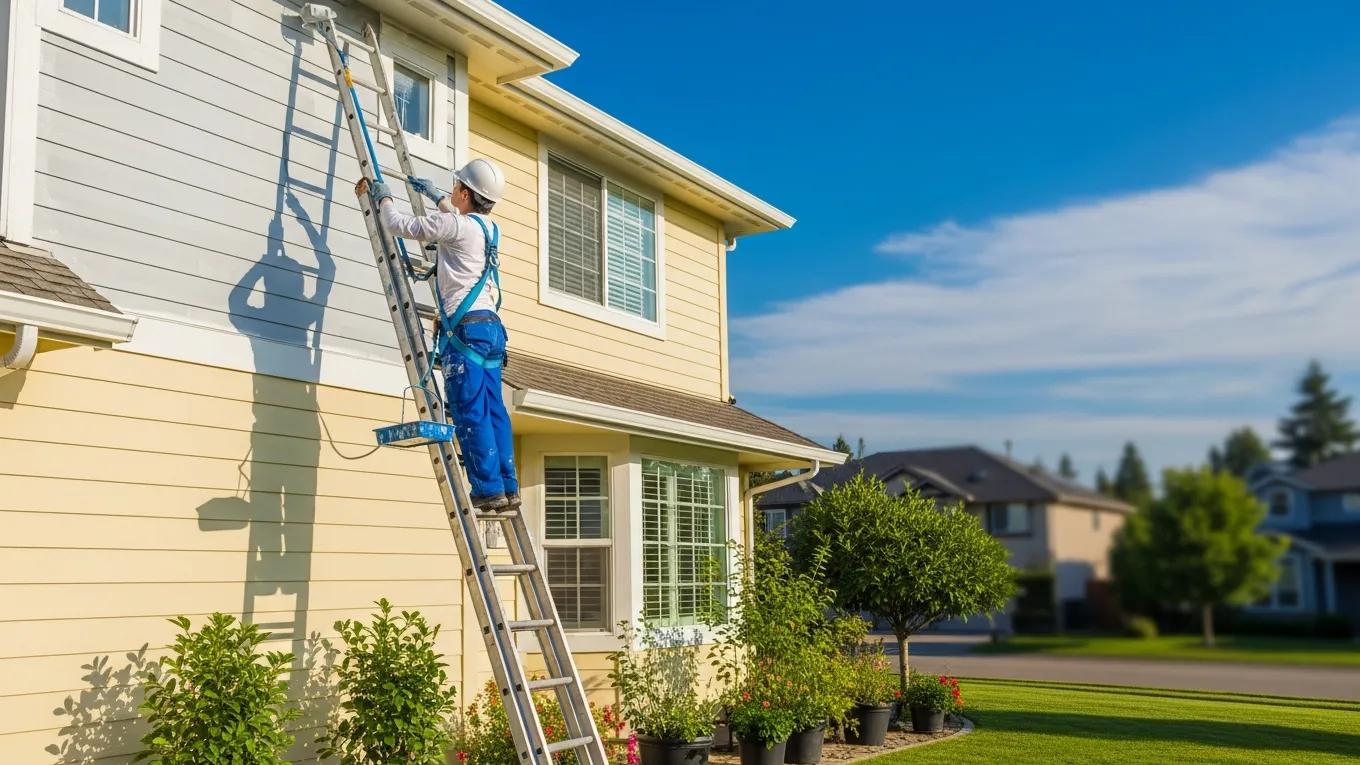
How to Choose the Right Residential Painting Company for Your Home Makeover
Choosing theright residential painting company affects your home’s appearance and long‑term value. Whether you need a single room refreshed or the exterior repainted, the quality of workmanship influences durability and the final look. This guide outlines the criteria for evaluating contractors, the questions to ask, common services, and practical surface‑preparation practices that improve project outcomes.
Criteria for Choosing a Contractor:

When evaluating potential painting contractors, focus on clear, measurable criteria that indicate capability and reliability. The following points help structure your assessment.
- Experience and Reputation: Look for companies with a strong history in residential painting and positive reviews from previous clients. This can reflect reliability and quality of service.
- Licensing and Insurance: Ensure that the contractor is properly licensed to operate and has insurance coverage. This protects you from potential liabilities during the project.
- Quality of Materials: Inquire about the types of paints and materials the contractor intends to use. High-quality materials contribute to durability and an excellent finish.
These factors form the basis of a sound contractor evaluation. Companies such as GetPro Painting meet these standards and are reasonable options to consider.
Essential Questions to Ask Potential Painters:
Before hiring a painting contractor, ask targeted questions to verify qualifications and fit for your project. Use the items below as a checklist.
- What is your experience in residential painting?: This provides insight into the contractor’s background and expertise.
- Can you provide references or examples of previous work?: Request portfolios or testimonials from past clients to gauge their quality and satisfaction.
- Do you offer a warranty for your work?: A warranty demonstrates accountability and confidence in their craftsmanship.
These inquiries clarify a contractor’s technical skills, reliability, and warranty practices, helping you select a provider aligned with your expectations.
Recommendations for Professional Residential Painters in Southeast Michigan:
Finding a reputable painting company can be time consuming. The following firms are local options to review as part of your selection process.
- GetPro Painting: They provide an extensive range of residential painting services and have a strong local reputation.
- ABC Painting Services: Known for their reliability and customer service.
- Michigan Home Painters: Offers both interior and exterior painting, focusing on quality workmanship.
These companies have established local records and may be suitable candidates for your home improvement project.
What Are the Key Services Offered by Residential Painting Contractors?
Residential painting contractors offer services intended to meet common homeowner requirements. Typical offerings include the items listed below.
| Service Type | Description | Benefits |
|---|---|---|
| Interior Painting | Painting walls, ceilings, and trim inside homes | Enhances indoor aesthetics and ambiance |
| Exterior Painting | Painting the exterior surfaces of homes | Protects against weather while improving curb appeal |
| Surface Preparation | Cleaning, sanding, and priming before painting | Ensures better adhesion and a smoother finish |
Each service contributes to the overall performance of the paint system and supports the longevity of your investment.
Which Interior and Exterior Painting Options Should Homeowners Consider?
Select paint according to application and performance needs. Common options for interior and exterior use include the following types.
- Latex Paint: Widely used for its ease of cleanup and versatility, suitable for most indoor applications.
- Oil-Based Paint: Offers a durable finish, ideal for high-traffic areas but requires solvents for cleanup.
- Acrylic Paint: Common for both interior and exterior uses, known for flexibility and water resistance.
Understanding the characteristics of these product types helps homeowners select paints that meet both performance and aesthetic requirements.
How Do Licensed Painting Services Ensure Project Quality and Compliance?
Licensed painting services follow local codes and recognised industry practices. Key areas of compliance include the items listed below.
- Adherence to Industry Standards: Licensed contractors are familiar with the latest practices and requirements in the painting industry.
- Safety Compliance: They follow necessary safety protocols, protecting both workers and homeowners.
Compliance with regulations and standards reduces project risk and supports consistent quality outcomes.
Why Is Surface Preparation Critical for Durable Residential Paint Jobs?
Surface preparation has a direct effect on paint performance. Effective preparation typically includes the steps noted below.
- Enhancing Paint Adhesion: Proper cleaning and priming improve paint bond to surfaces, leading to a longer-lasting finish.
- Preventing Underlying Issues: Addressing old paint, stains, or moisture problems before painting can avoid future complications.
Appropriate preparation improves final results and extends the service life of the coating.
What Surface Repair and Priming Techniques Optimize Paint Adhesion?
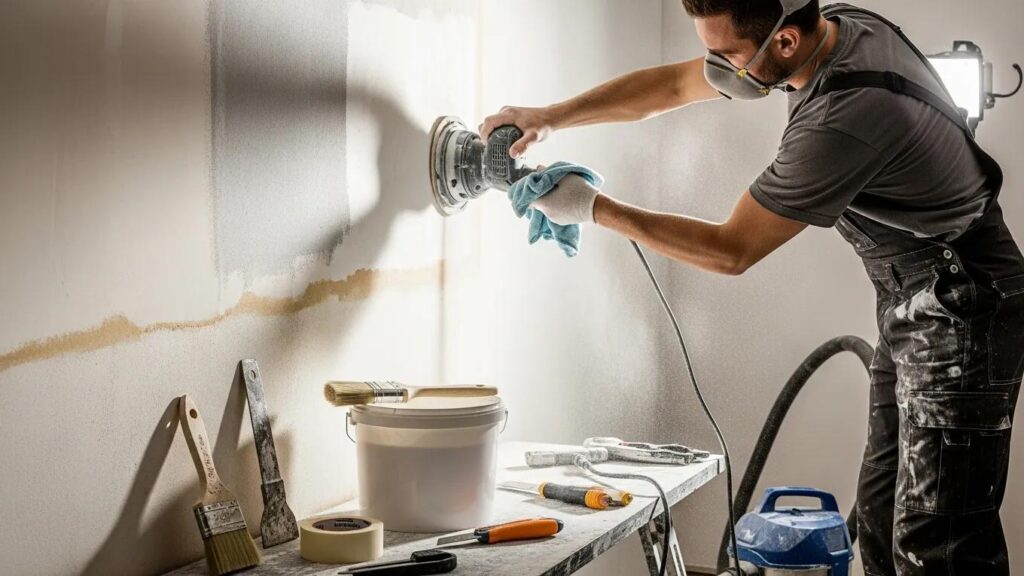
Effective surface repair and priming create a stable substrate for paint application. Typical techniques include the following.
- Cleaning: Thoroughly washing surfaces to remove dust, grease, and old paint allows for effective adhesion.
- Sanding: Smoothing surfaces facilitates better paint application and uniformity.
- Priming: Applying primer helps seal surfaces and creates a solid base for the paint.
These methods improve adhesion and contribute to a more consistent final appearance.
How Do Climate and Weather Conditions Affect Exterior Painting Outcomes?
Climate and weather have a measurable effect on exterior paint performance. Consider the following environmental influences when scheduling work.
- Temperature Fluctuations: Paint applied in low temperatures may not cure properly, affecting durability.
- Humidity Levels: High humidity can lead to improper adhesion, causing paint to peel or blister.
Scheduling projects to avoid unfavourable conditions improves finish quality and long‑term performance.
1. This study aims to predict the service life of exterior paint finishes and to inform understanding of construction element durability. The analysis uses the factor method described in ISO 15686—which, despite some critique, is a practical tool for maintenance planning—and is based on a field survey of 323 coatings. The factor method estimates service life by multiplying a reference service life by weighting values for variables that influence component performance. In this study, durability factors were derived through iterative simulations and the results were evaluated against specific criteria and statistical indicators. The findings are applicable and reliable for most of the deterioration variables considered, and the factor method is an effective instrument for assessing the service life of exterior paint finishes. This work is presented as a contribution and reference for future developments in durability research, since understanding long‑term material performance supports planning for maintenance and repair and estimating required resources.2. AIJ (1993) The English edition of the principal guide for service life planning of buildings. Architectural Institute of Japan, Tokyo3. Aikivuori AM (1999) Critical loss of performance: what fails before durability. In: 8th International Conference on Durability of Building Materials and Components. Vancouver, pp 1369–13764. Cecconi F (2002) Performance leads the way to service life prediction. In: 9th DBMC International Conference on Durability of Building Materials and Components. Brisbane, paper 2135. Chai C, de Brito J, Gaspar P, Silva A (2014) Predicting the service life of exterior wall painting: a techno-economicApplication of the factor method to the prediction of the service life of external paint finishes on façades, J de Brito, 2016
Predicting the Service Life of Exterior Paint Finishes
1. The primary objective of this study is to predict the service life of exterior paint finishes and contribute to the understanding of construction element durability. Service life is estimated utilizing the factorial method outlined in ISO 15686, as this method, despite some critiques, stands out as a straightforward and effective tool with significant potential for application in maintenance planning. The proposed model is based on a field survey of 323 coatings. The factor method estimates the service life of building components by multiplying their reference service life by weighting values applied to various factors influencing the performance of the components under investigation. In this study, durability factors are derived through iterative simulations. The results are analyzed based on a specific set of criteria and statistical indicators. The findings are suitable and reliable for most of the deterioration variables considered, and the factor method proves to be an efficient instrument for evaluating the service life of exterior paint finishes. This work is intended as a contribution and reference for future developments in the field of durability within the construction industry, as knowledge regarding the long-term performance of specific materials or construction systems enables estimations of when to invest in maintenance/repair and the amount of resources that will be required.2. AIJ (1993) The English edition of the principal guide for service life planning of buildings. Architectural Institute of Japan, Tokyo3. Aikivuori AM (1999) Critical loss of performance: what fails before durability. In: 8th International Conference on Durability of Building Materials and Components. Vancouver, pp 1369–13764. Cecconi F (2002) Performance leads the way to service life prediction. In: 9th DBMC International Conference on Durability of Building Materials and Components. Brisbane, paper 2135. Chai C, de Brito J, Gaspar P, Silva A (2014) Predicting the service life of exterior wall painting: a techno-economic Application of the factor method to the prediction of the service life of external paint finishes on façades, J de Brito, 2016
How to Evaluate Painting Product Choices for Longevity and Style
Assess paints for longevity and visual effect by reviewing product quality and brand performance. Consider the items below when comparing options.
- Quality of Paint: Higher-quality paints typically offer improved durability and fewer coats are often needed.
- Brand Credibility: Reputable brands often ensure better consistency and performance.
Selecting products based on these criteria influences both the appearance and the expected service life of the finished work.
What Are the Differences Between Interior and Exterior Paint Types?
Interior and exterior paints differ in formulation and intended performance. The following points summarise the main differences to consider.
- Formulations: Interior paints are designed for indoor durability and minimal odor, while exterior paints are formulated for weather resistance.
- Durability Factors: Exterior paints typically contain additives to withstand UV rays and moisture, enhancing long-term performance.
Selecting the correct paint type for its application is necessary to achieve the expected durability and finish.
How Does Paint Color Selection Complement Architectural Styles and Increase Value?
Colour selection influences architectural character and can affect resale value. Consider the guidance below when choosing colours.
- Color Matching with Style: Neutral tones often work well with traditional designs, while bold colors may enhance contemporary aesthetics.
- Testing Colors in Different Lighting: Colors can appear differently depending on light exposure; testing them in various settings ensures satisfactory results.
Consistent, well‑tested colour choices can improve a home’s market appeal and visual cohesion.
What Are the Essential Criteria for Selecting the Best Residential Painting Contractor Near Me?
To identify the appropriate contractor, evaluate qualifications and performance indicators. Use the criteria below when narrowing options.
- Qualifications: Check if the contractor holds valid licenses and proper certifications.
- Customer Reviews: Read reviews or testimonials to gauge client satisfaction and service quality.
Concentrating on licences, certifications and client feedback will help homeowners narrow the candidate list efficiently.
Why Are Licensing, Insurance, and Client Reviews Vital in Contractor Vetting?
Licensing, insurance and client reviews form a basic risk‑management framework that protects your investment during a painting project.
- Protection from Liabilities: Licensed contractors ensure adherence to laws and local standards.
- Quality Assurance: Positive client reviews often signify reliable service and satisfaction, providing insight into previous client experiences.
These three factors reduce exposure to risk and provide practical insight into a contractor’s track record.
Which Questions Should You Ask Painting Contractors Before Hiring?
In addition to the earlier questions, include items that clarify scope, timing and warranty terms to avoid misunderstandings. Consider the following.
- How detailed will your estimates be?: This helps you understand the cost breakdown and avoid hidden fees.
- What will the timeline look like?: Clarifying project timelines helps manage expectations.
- What is included in your warranty?: Ensure you understand the extent of their coverage for repairs.
These questions set expectations on scope, schedule and post‑work coverage, supporting a clear working relationship and defined outcomes.
What Should Homeowners Expect During a Professional Painting Project?
Homeowners should expect staged work and clear communication during a professional painting project. Typical elements include the items listed below.
- Preparation Steps: Expect initial cleaning and setup before painting begins, ensuring effective work.
- Communication During the Project: Open dialogue with the contractor ensures any adjustments or concerns are promptly addressed.
Understanding the process keeps homeowners informed and enables timely decisions throughout the project.
How Is the Painting Project Managed from Estimate to Cleanup?
A professional painting project generally follows defined phases. A typical workflow includes the steps noted below.
- Initial Estimate Process: Contractors assess project scope and provide detailed estimates outlining costs and timelines.
- Final Inspection and Cleanup: Once painting is complete, the contractor performs a final inspection to ensure quality, followed by thorough cleanup efforts.
A phased approach supports quality control and helps ensure client expectations are met.
Typical Residential Painting Timelines and Maintenance Recommendations:
Project duration varies by scope and complexity; many residential painting projects take several days to a few weeks to complete.
Homeowners should also follow routine maintenance practices, such as the items below, to protect their paint investment.
- Regular Inspections: Evaluate painted surfaces annually for peeling or wear.
- Cleaning Practices: Simple cleaning of painted surfaces to prolong their lifespan and appearance.
Regular inspections and basic cleaning help extend the service life of coatings and maintain the appearance of painted surfaces.
Frequently Asked Questions
What should I look for in a residential painting contractor's estimate?
When you receive an estimate, check for an itemized breakdown that lists materials, labour, preparation and cleanup costs, plus a clear project timeline. Transparent estimates reduce the risk of unexpected charges. A reputable contractor will align the estimate with your project scope and provide documentation you can review.
How can I ensure that the paint I choose is environmentally friendly?
Choose paints labelled low‑VOC or zero‑VOC to limit airborne emissions. Review technical data sheets and third‑party certifications, and discuss options with your contractor to balance environmental performance with durability and finish requirements.
What are the benefits of hiring a local painting contractor?
Local contractors understand regional climate effects and common substrate conditions, and they often maintain supplier relationships that streamline material procurement. Their local experience can lead to more appropriate product and scheduling recommendations for your area.
How should I prepare my home for a painting project?
Prepare rooms by removing or clearing furniture, covering remaining items with drop cloths, taking down decorations, and removing switch plates and outlet covers. Ensure surfaces are clean and dry. Proper preparation aids efficient application and improves adhesion.
What should I do if I'm unhappy with the painting results?
If you are unhappy with the results, review the contract and warranty terms, then contact the contractor promptly to explain the issues and request corrective action. Many contractors will address deficiencies through touch‑ups or repair work covered under their warranty.
How often should I repaint my home's interior and exterior?
Repaint intervals depend on paint type, exposure and maintenance. Interior surfaces typically require repainting every 5–10 years; exterior surfaces often need attention every 5–7 years, depending on exposure and product quality. Regular inspections will indicate when repainting is warranted.
Conclusion
Selecting the appropriateresidential painting contractor improves the likelihood of a durable, high‑quality result. By evaluating experience, material choices and the questions outlined above, homeowners can reduce risk and make informed decisions. Professional painting enhances a home’s appearance and long‑term value; contact a qualified contractor to begin planning your project.
Comments are closed