
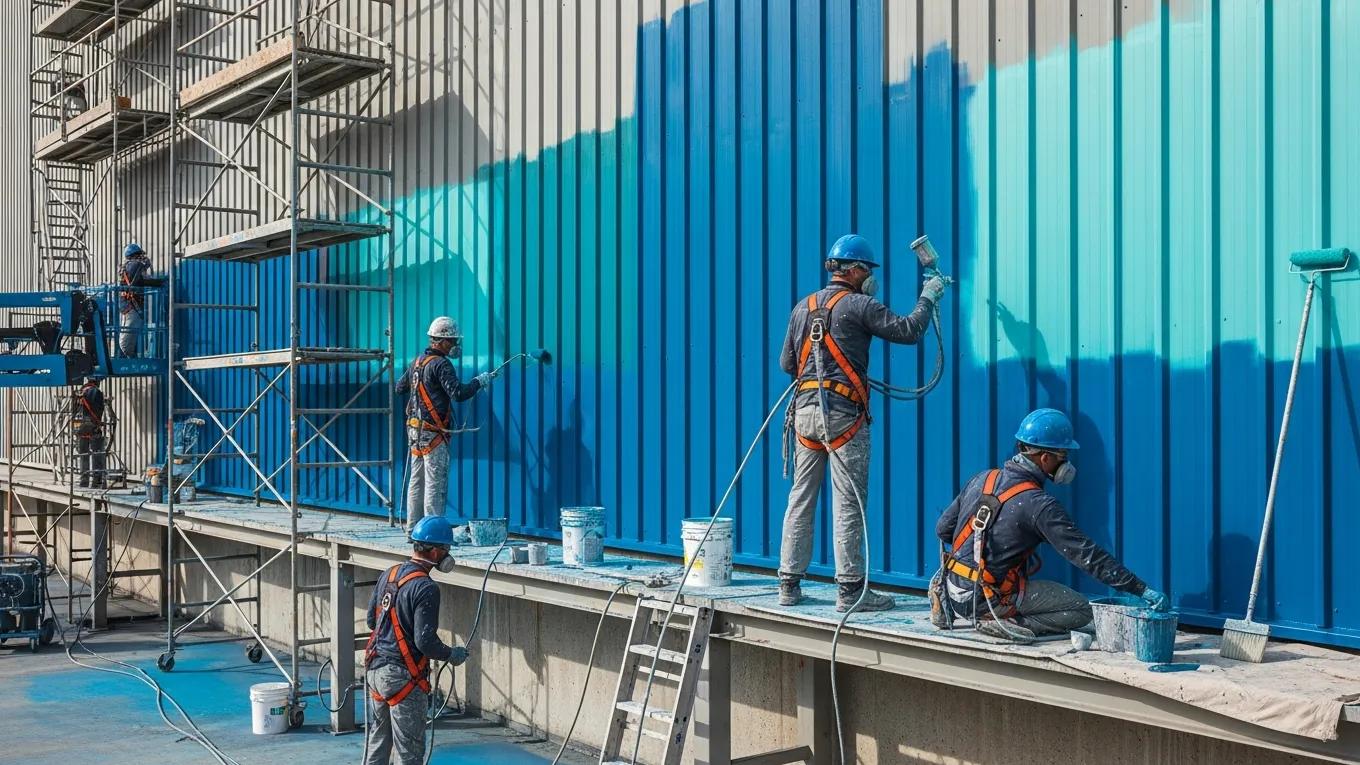
Top 5 Benefits of Hiring Professional Industrial Painting Companies
Professional industrial painting companies improve the quality and lifespan of your facility’s paintwork. Using specialized techniques and higher-grade materials, they keep structures visually sound and resistant to weathering. Deciding between professional services and DIY involves trade-offs in safety, performance and cost. This article outlines five primary benefits—work quality, safety compliance, efficiency, specialized expertise and cost-effectiveness—and explains how professional painting can protect property value and reduce long-term maintenance expenses.
The top 5 benefits of hiring professional industrial painting companies are:
- Quality of Work: Professional painters deliver high-quality finishes that enhance durability and aesthetic appeal. Their expertise ensures that all surface preparations are carefully carried out, leading to superior paint adhesion and longer-lasting results.
- Safety Compliance: Industrial painting often involves strict safety protocols. Professionals are familiar with the regulations and ensure that all safety measures are followed, reducing the risk of accidents and ensuring compliance with industry standards.
- Efficiency: Hiring experts saves time and minimizes disruptions. Professional teams can complete projects more quickly than inexperienced individuals, allowing your operations to continue with minimal delays.
- Specialized Expertise: Professional painters possess specialized knowledge about different types of coatings and materials, selecting the suitable products for specific environments and weather conditions, thus maximizing performance and longevity.
- Cost-Effectiveness: While hiring professionals requires an upfront investment, the long-term savings from reduced maintenance and enhanced property value make it a smart financial choice. Quality work lessens the need for frequent reapplication.
How does professional surface preparation improve industrial painting results?
Thorough surface preparation is essential to achieve durable, high-quality industrial paintwork. Skilled painters use proven methods to ready surfaces, improving adhesion and the final finish.
Surface Preparation Techniques:
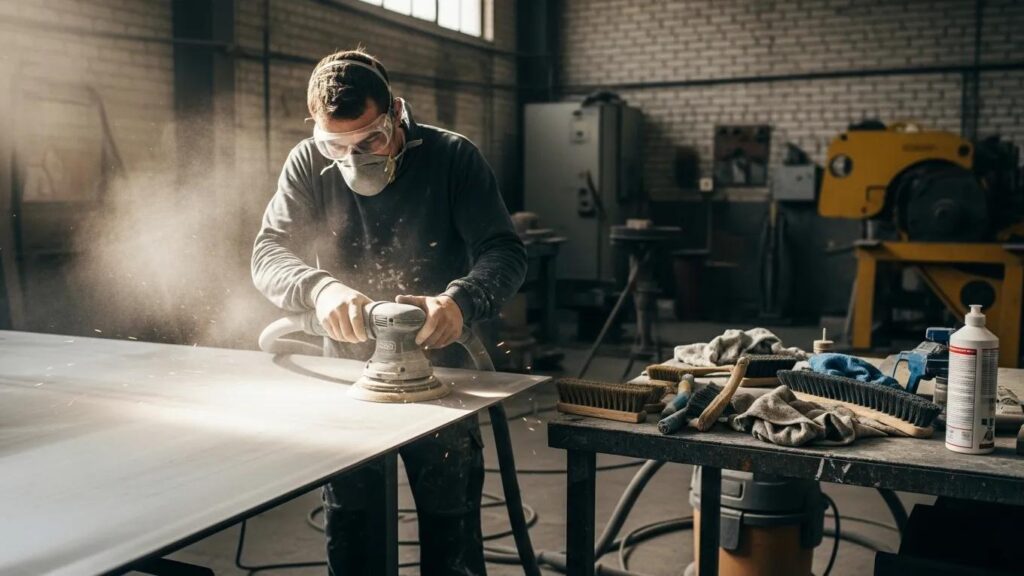
Techniques such as cleaning, controlled sanding and priming create an optimal surface for paint. Removing dust, grease and old coatings improves adhesion and yields a cleaner appearance.
Impact on Paint Adhesion:
Correct preparation boosts adhesion and reduces peeling or flaking. A well-prepared surface enables coatings to bond effectively, so the finish endures longer than typical DIY results.
Overall Finish Quality:
Rigorous preparation produces a smoother, more uniform finish and reduces visible defects. Professional teams prioritize preparation because the final appearance depends on the work done before the first coat.
What are the key surface preparation steps for industrial painting?
Key steps in the surface preparation process for industrial painting include:
- Cleaning: All surfaces must be thoroughly cleaned to remove any contaminants.
- Inspection: Identifying potential issues such as rust or damage allows for timely repairs.
- Sanding: This is important for achieving uniformity and ensuring that paint adheres appropriately.
Combined, these steps establish the foundation for successful paint application and help ensure longer-lasting, more consistent results.
How does thorough surface prep extend paint durability?
Comprehensive surface prep extends coating life by addressing cleanliness and structural issues before painting. This improves adhesion and reduces early deterioration.
Clean, abraded surfaces provide stronger bonds, lowering the chance of peeling or bubbling. Applying suitable primers adds an extra protective layer, further prolonging the coating’s service life.
What advantages do weather resistant paint coatings provide for industrial properties?
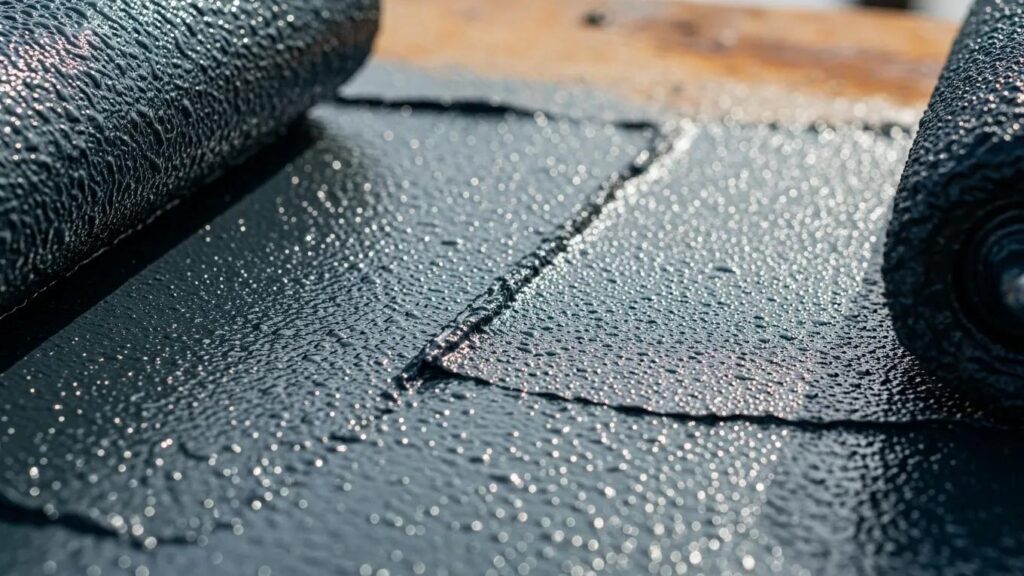
Weather-resistant coatings protect industrial assets by resisting moisture, UV exposure and temperature swings. They are formulated to shield substrates and reduce the need for frequent recoats.
How do weather-resistant coatings protect against climate and corrosion?
Such coatings limit moisture ingress, UV damage and thermal stress, slowing corrosion and material breakdown. That protection reduces repaint frequency and maintenance costs.
Which paint types offer optimal performance for Southeast Michigan climates?
For Southeast Michigan, suitable choices include latex for flexibility, acrylics for durability and epoxies for heavy-duty surfaces. These products are selected to perform across seasonal temperature and humidity changes.
Why should businesses hire professional industrial painters instead of DIY approaches?
While some businesses consider DIY painting, professional services deliver measurable benefits in safety, schedule control and long-term performance.
What benefits does expert application bring to coating longevity and appearance?
Expert application produces a more uniform finish and extends coating lifespan. Professionals apply the correct techniques for each substrate, which directly improves durability.
How do professional painters ensure safety and compliance on industrial projects?
Professional teams follow regulatory safety protocols to protect workers and facilities. Their training and procedures reduce liability and help ensure projects meet applicable standards.
How does industrial painting help maintain and increase property value?
Quality industrial painting is an investment that preserves and can increase property value. Well-maintained exteriors communicate care and can influence buyers or tenants.
What role does paint condition play in property maintenance and market appeal?
Good paint condition improves marketability; clean, even finishes indicate ongoing maintenance and may reduce perceived immediate repair needs.
How can professional painting reduce long-term maintenance costs?
Professional painting reduces the frequency of touch-ups and repairs. Durable coatings hold up longer, lowering maintenance expenses over time.
What project expectations should clients have when hiring professional industrial painting contractors?
Clear expectations help maintain a productive contractor relationship. Discuss scope, access requirements and communication channels before work begins.
What timelines and workflows are typical for industrial painting services?
Project duration depends on scope, but contractors should provide detailed schedules and workflow plans. Strong project management helps limit operational disruption.
How do professionals assist in color and finish selection to match industrial architecture?
Contractors advise on color and finish choices that suit the building’s materials and function. Their recommendations align aesthetic goals with practical performance.
Frequently Asked Questions
What are the indicator signs that my industrial property needs repainting?
Visible peeling, faded or chalking paint indicate repainting is needed. Rust or corrosion on metal surfaces shows protective coatings have failed. Repeated exposure to severe weather accelerates wear. Regular inspections identify these issues early and avoid more costly repairs.
How do I choose the right industrial painting company?
Select a company with documented industrial experience and positive client references. Confirm licensing and insurance to validate compliance. Request itemised estimates and timelines, and ask about their chosen paints and application methods to assess capability.
What maintenance should I perform to extend the life of industrial paint?
Perform scheduled inspections to spot damage early. Clean surfaces periodically to remove contaminants. Promptly touch up worn areas, especially edges and weather-exposed spots. Ensure proper drainage to prevent moisture-related paint failure.
What environmental factors should I consider for industrial painting?
Account for local climate, humidity and temperature ranges when planning paint and timing. These conditions affect cure time and long-term performance. High-humidity areas may require moisture-resistant coatings to prevent mold or mildew.
What safety measures should be taken during industrial painting?
Ensure painters use appropriate PPE—respirators, gloves and eye protection—and implement ventilation to limit fume exposure. Comply with OSHA rules for hazardous materials, keep work areas organised to prevent spills, and provide safety training for all staff.
Are there specific types of paint recommended for metal surfaces in industrial settings?
Anti-corrosive coatings protect metal from rust and decay. Epoxy and polyurethane finishes are commonly recommended for durability and adhesion on metal substrates. Verify that selected products suit the local environment and consult a professional for final selection.
Conclusion
Professional industrial painting improves facility appearance and longevity through correct application and quality materials. By meeting safety standards and using proven methods, professional services can lower maintenance costs and support property value. Understanding these advantages will help you choose the right approach for your project. For more information and to find the right company for your project, contact our team today!
Comments are closed