
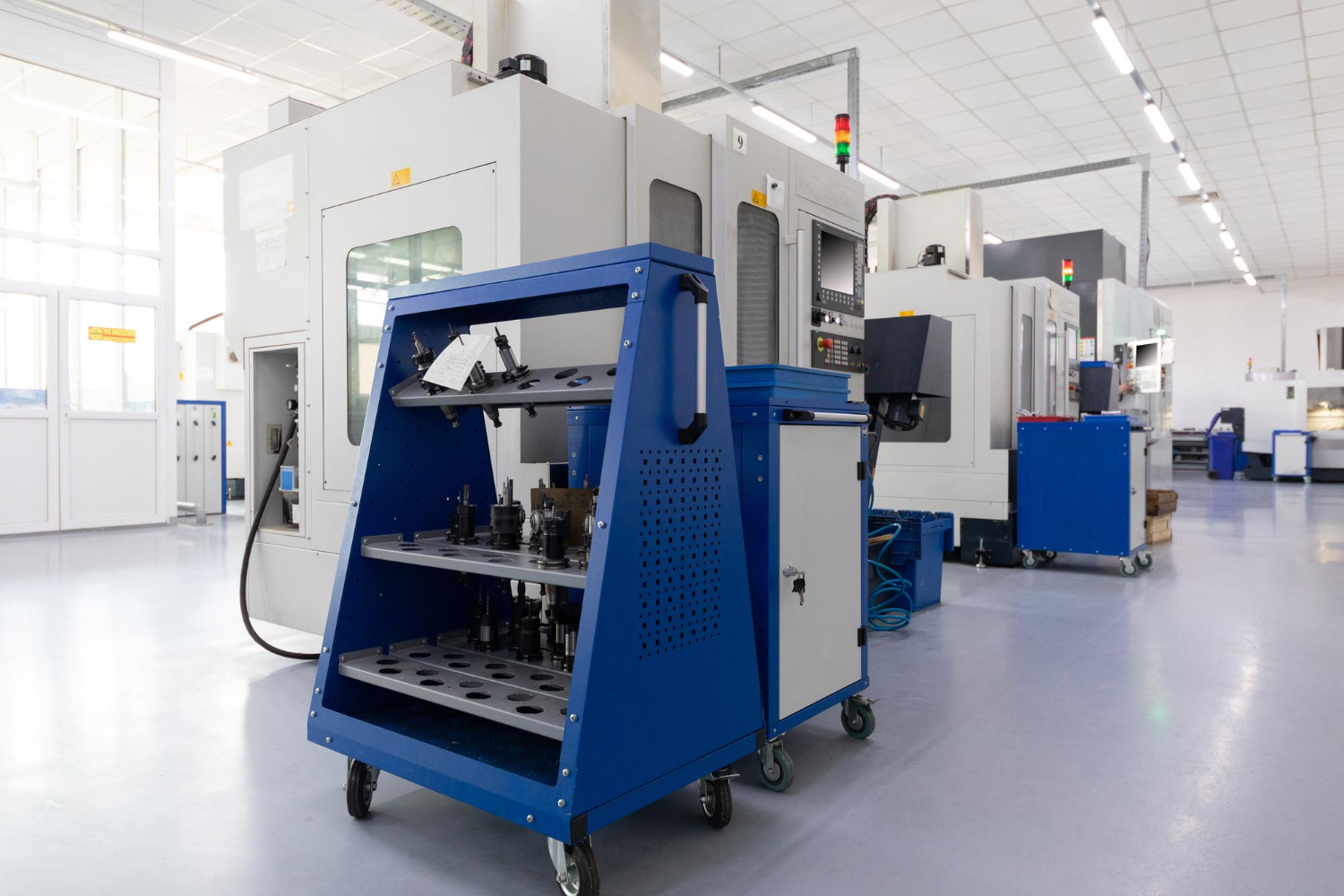
Winter can be hard on industrial equipment, especially when it’s exposed to the weather or runs through harsh seasonal shifts. Cold, wet conditions do not just slow things down on the floor; they can wear down machines faster than expected. Metal shrinks in freezing temps, coatings flake off, and corrosion creeps into places that seemed fine just a few months before.
That is where a fresh layer of protection matters. With the right approach, industrial equipment painting helps keep machines sealed, clean, and ready to handle the stresses winter throws at them. When coatings are in place before the weather gets bitter, we are not just covering surfaces; we are making sure the equipment lasts longer and has fewer issues once spring gets rolling again. Taking small steps to protect your machines during the coldest months can end up saving time and major repairs later. Consistent care before, during, and after freezing conditions can mean smoother operations all year round.
Winter Risks for Unprotected Equipment
When machines are left uncovered or untreated, cold weather does not take long to do damage. Even if operations slow down during winter, that downtime does not mean systems are sitting safely. In fact, it’s often the opposite. Unprotected metal, wires, and electronics are even more at risk when exposed for days or weeks without regular use.
• Cold air causes metal to contract, which can lead to cracks in joints or welds over time.
• Moisture from snow, ice, or even high humidity seeps into seams, panels, or brackets.
• When untreated surfaces meet air and water, corrosion can spread without being noticed.
That kind of buildup adds wear, whether machines are active or idle. Once rust sets in or small cracks break through paint, it becomes harder to reverse. Even regular cleanings do not help much if equipment has been compromised by long exposure. Weak spots can quickly become major faults or cause expensive replacement needs. An uncoated surface in the winter is not just unprotected; it is taking damage every day. Paying attention to these risks can prevent costly breakdowns that are far worse to manage in the middle of a Michigan winter.
How Paint and Coatings Help in Cold Conditions
With winter bringing in freezing nights, soaking wet days, and long stretches of inactivity for certain equipment, we need more than just a simple coat of paint. Proper coatings act like shields, blocking out moisture, stopping chemical exposure, and preventing winter grime from grabbing onto surface areas. Applying coatings on a regular schedule is an easy way to give equipment extra protection for the season.
• Industrial coatings build a sealed barrier that blocks moisture from reaching the material underneath.
• Non-stick finishes or easy-clean paints help teams wipe down equipment quickly without buildup.
• Once cured, these coatings stay flexible enough to handle shifting temperatures without cracking.
By sealing gaps and covering weak spots, we keep winter damage from ever starting. Surfaces stay cleaner longer, which helps limit debris buildup and improves a safer working space. Whether for moving parts or large machinery frames, a good finish becomes part of the equipment’s protection plan throughout the season. Teams who pay regular attention to paint quality and touch-ups often see less maintenance and longer intervals between major services. Investing the effort before weather becomes extreme can save significant time and money down the road.
Best Times to Apply Paint for Long-Term Results
Timing matters with industrial equipment painting. Cold temps can make certain jobs harder, but winter also comes with benefits. Many facilities slow down in winter or pause certain operations, which gives us room to work on painting without disrupting the usual flow. Downtime during the colder months can be the ideal opportunity to handle updates and preventative care.
• Late fall or early winter often give us the best window: warm enough to cure, slow enough for access.
• Applying coatings before deep freezes gives paint the time to bond and hold without moisture getting trapped underneath.
• A full repaint or even touch-ups now means fewer problems when machines need to perform at full speed later.
Quick weather changes can ruin a rushed paint job. Starting before the worst winter days hit can change everything. It gives surfaces a head start in staying protected, with no need to backtrack for quick fixes when production picks up again. Try to coordinate painting jobs with regular maintenance schedules to minimize downtime. With a bit of advanced planning, teams can finish the work efficiently and make sure machines are ready to go as soon as temperatures rise again.
What to Look for in Professionally Painted Equipment
Once the job is done, it can be helpful to know what a strong coat of paint should look like. Not all finishes are the same, and depending on the area, some take more wear than others. Inspections after painting help confirm whether coatings on each surface are holding up after exposure to cold, wet weather.
• A smooth finish, with strong coverage across seams, bolts, and flat surfaces, helps keep moisture out.
• Color-coded zones can make maintenance or safety checks easier during winter, when visibility drops.
• Painted areas should stay solid and free from flakes or soft spots, even after heavy use or cleanings.
Metal parts, storage tanks, or transport equipment all need coatings that match their use. If the paint starts peeling, rust shows through, or spots feel soft to the touch, the coating likely is not holding up like it should. A good job might not be flashy, but it stands up to winter’s worst without fading or failing. If necessary, ask for a final walkthrough after professional painting to spot areas that might need touch-ups. This extra attention ensures that all surfaces get equal protection, reducing surprises once machinery goes back into full service.
Professional painters use a variety of methods and tools to apply industrial coatings. These include spraying, brushing, and rolling, depending on the equipment being treated. The experience and knowledge of the painting team can make a significant difference in how well the coating performs during Michigan’s challenging winter months.
Expert Coatings for Michigan Equipment
Handling industrial painting for Southeast Michigan means working on production lines, metal structures, and large equipment that see heavy use year-round. Teams with experience in this field pay close attention to prep, using durable coatings that bond to a range of surfaces and protect against the cold, chemicals, and wear found in factories and facilities. GetPro Painting’s expertise covers everything from sandblasting restoration to epoxy applications, helping clients with tailored solutions for their toughest jobs. This local experience matters, as Michigan’s winters present unique challenges with changing weather, unexpected freezes, and harsh road chemicals. Choosing a partner who understands these factors brings added peace of mind.
A focus on preparation, application conditions, and product selection helps coatings perform well throughout the season. Surfaces must be clean and dry, with any signs of previous corrosion or damage repaired before paint goes on. Attention to these details ensures every machine or structure gets the best layer of protection possible for the months ahead.
At GetPro Painting, we know winter weather can be tough on the machines you rely on every day. Cold air, moisture, and grime do not wait, which is why this is the perfect time to seal and protect your equipment before any damage sets in. Our industrial equipment painting services are designed to help your gear handle harsh conditions and stay in top working shape throughout the season. With long-lasting coatings and expert preparation, you can make a real difference before the deep freeze arrives. Reach out to schedule your winter painting project today.
Comments are closed