
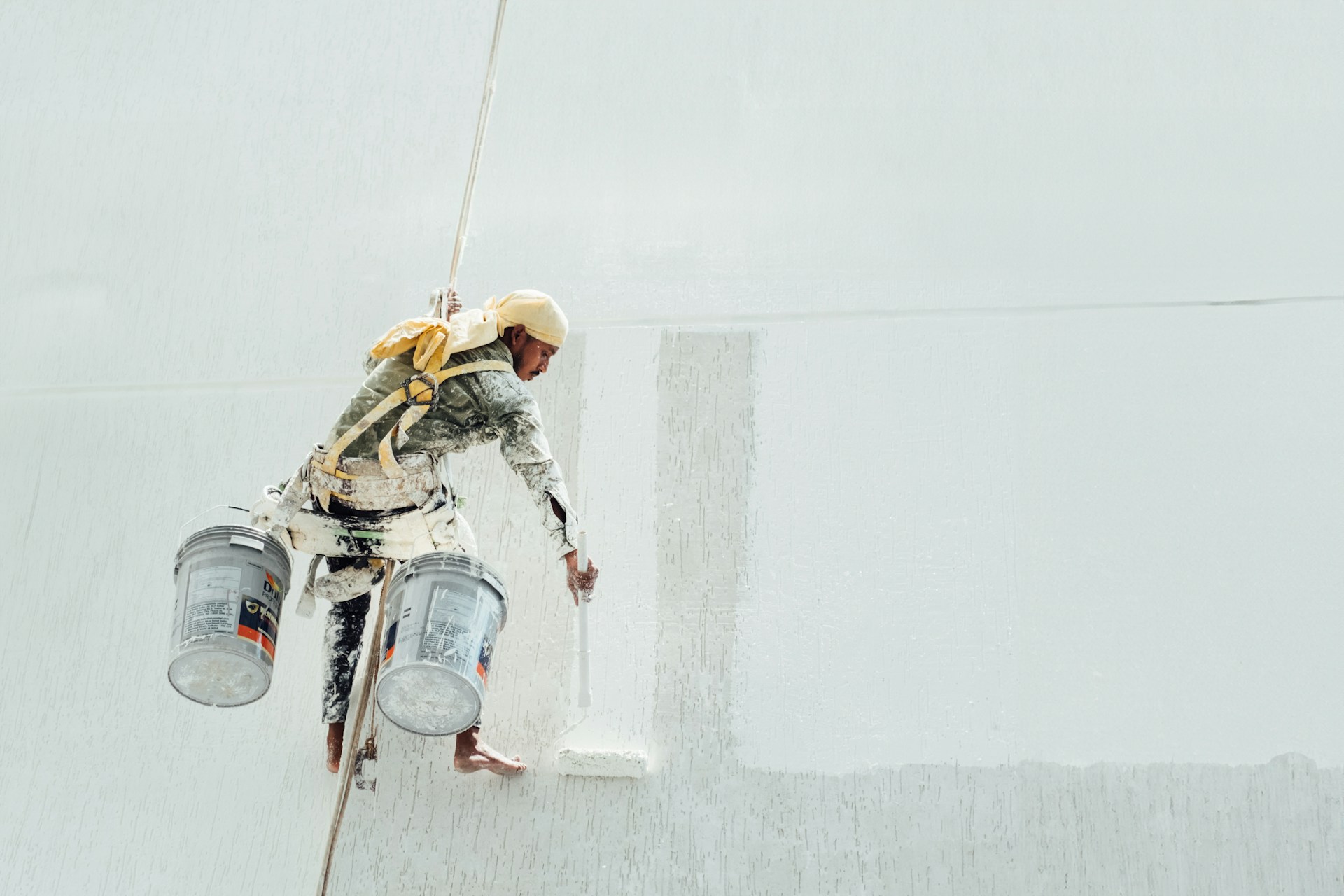
Factory downtime in the winter often gives us the breathing room we need to take care of the things that get pushed aside during the busy season. One of the smartest uses of this time is fresh paint. Whether we’re talking about walls, ceilings, safety lines, or work zones, tackling updates now can help us avoid headaches later.
When spring rolls around and machines start up again, there’s no time for last-minute jobs or messy work areas. That’s where factory painting services can make a difference. With everything freshly marked, cleaned, and protected before production begins, we can hit the ground running when things pick up.
Clear the Way: Surface Prep Before Heavy Use
After months of use, factory surfaces often show signs of wear. That includes dirt buildup, worn paint, peeling coatings, or rust setting into metal supports and pipes. Once production is rolling, there’s little chance to deal with these issues.
• Winter offers a quiet window to strip out old coatings and redo them right.
• Machines can be covered or moved, keeping overspray and debris to a minimum.
• With fewer people on the floor, there’s more room to prep surfaces safely and do the job thoroughly.
Getting ahead on prep now means we aren’t scrambling later when there’s real work to do. A smooth, clean surface helps new paint stick better and last longer, especially in high-use areas. Taking a methodical approach during winter gives technicians and maintenance crews the time to work in a safer, less crowded environment, leading to more thorough preparation for all surfaces. This preparation can include cleaning, sanding, fixing small issues, and ensuring that the surfaces are ready for a finish that will hold up during heavy use. As a result, when the busy season starts, the painted surfaces will not only look refreshed, but will perform better under the demands of production.
Fix Safety Hazards Before Production Begins
Once production starts up, everyone moves fast. That means safety features need to be in place, easy to see, and built to last. This is often where painting matters the most.
• Bold floor markings and color-coded paths reduce the risk of trips, slips, or forklift mishaps.
• Repainting walls or ceilings with light-reflective coatings can help brighten up dark spots and make blind corners safer.
• Using heavy-duty paint means those markings stay clear, even after months of foot traffic and movement.
Getting these details right before operations kick off again helps us avoid problems. When safety visuals fade, people notice too late. A fresh paint job, done during downtime, gives us time to be thoughtful about what needs fixing and where. During winter downtime, there is a chance to re-evaluate areas of concern, consider best practices for visual cues, and implement upgrades not possible during regular operation. This can involve planning which surfaces should be treated with anti-slip coatings, improving visibility in specific work zones, and making sure that emergency paths and signage are prominent throughout the facility.
Protect Equipment Zones from Early-Season Damage
Paint does more than improve how a space looks. In production areas, it can protect floors, walls, and structural parts from long-term damage. The key is applying it before the wear and tear starts.
• Moisture, spills, and chemicals can eat away at surfaces if they’re unsealed.
• Painting around machines and storage spots helps prevent corrosion from early leaks or heat shifts.
• Winter application means coatings have time to cure properly before the space gets hot, humid, or noisy again.
Skipping protective paint leads to slow, expensive problems later. When we take care of it over winter, the materials can bond, cure, and settle without interruption. That helps everything hold up better when production returns to full force. Early attention to protective coatings allows managers to select durable products that match their factory’s environment, temperature shifts, and specific hazards. It also means that floor and wall coatings have better adhesion and resistance to scrapes, impact damage, or corrosion, which means fewer repairs during peak activities.
Support Cleanliness and Compliance Ahead of Inspections
Inspections will come sooner than we think, especially in industries where cleanliness, labels, and clear surfaces are checked. Getting paint work done now supports those requirements without throwing people off their schedule.
• Fresh coatings make it easier to keep walls and surfaces clean long-term.
• Sanitary paints for food or medical zones go on smoother without equipment in the way.
• Touch-ups or updates can be done without stepping around daily production or pallet storage.
The quiet season lets us pay attention to small details that inspectors might catch later. Simple things like re-labeling zone lines or painting over discolored walls can make a big difference when everything is under review. By performing these updates before production increases, the facility can promote a higher standard of cleanliness, making it easier for custodial staff to address messes and keep everything in compliance. Proper labeling and paint also help auditors clearly identify zones, exits, emergency equipment, and restricted areas quickly, which can make inspections less stressful and more efficient for everyone involved.
Boost Efficiency with a Fresh Start
We all know how hectic things get once the new year picks up. Tools, boxes, and bins are back in motion, and schedules move fast. When paint jobs are done before that rush, we save time and avoid confusion, especially for new staff or shifting teams.
• Clear lines, sealed floors, and updated zones mean less time spent cleaning or hunting down gear.
• When everything is marked and protected, people can focus on work without dodging wet paint or blocked paths.
• Paint taken care of in winter carries benefits well into spring, staying visible and easier to maintain.
That early investment helps every part of the factory function better. From storage to safety to compliance, updated paint builds a smoother workflow that makes the busy season a little easier to handle. We don’t have to wait for problems to show up before we fix them. Winter gives us the chance to handle it early and head into production season ready for what’s next.
A clear, well-marked workspace helps foster teamwork, supports faster onboarding for new employees, and reduces miscommunication. The benefits continue long after the initial work is complete, since fresh coatings resist stains, chips, and fading, making it easier to maintain a professional environment throughout the year.
Winter-Ready Painting Backed by Commercial Experience
Factory painting is more than just walls and ceilings. Crews that handle complex projects also know how to clean, prep, and apply protective coatings to structural steel, roofs, ceilings, safety lines, and even floors that take a beating in industrial settings.
Large-scale painting like this calls for planning and special products designed to stand up to tough use and regular cleanings. For factories in Detroit and Southeast Michigan, local painting experts understand how seasonal changes affect coatings and can recommend products that last through Michigan’s unique winters.
Get ready for a safe and efficient startup by leveraging the downtime this winter for essential updates. Enhance your facility’s safety, cleanliness, and protection with factory painting services from GetPro Painting. Our experienced team will ensure that your space is prepared to handle the demands of the busy season. Contact us to schedule your project and set the stage for a successful year.
Comments are closed