
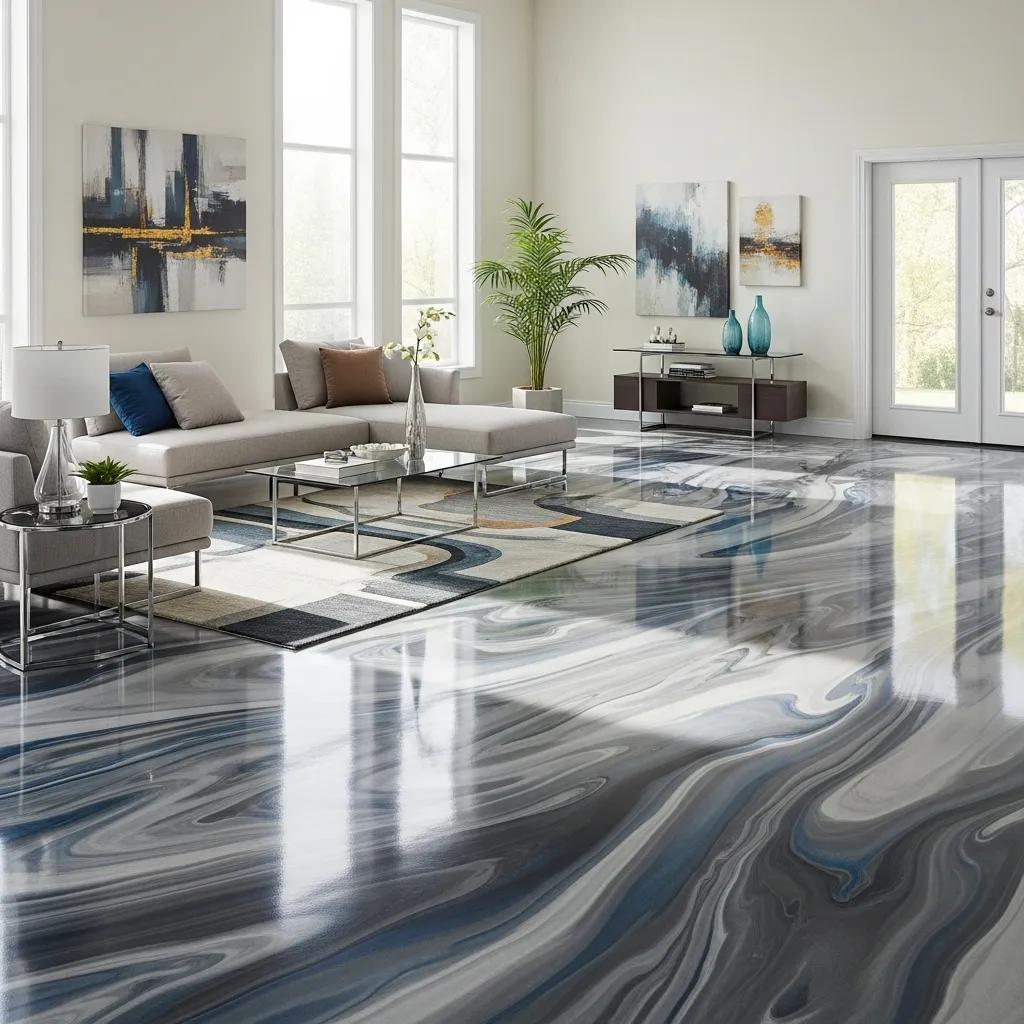
Comprehensive Guide to Epoxy Flooring and Concrete Coatings for Durable and Aesthetic Floors
Epoxy flooring and concrete coatings are increasingly popular choices for both residential and commercial spaces due to their durability and aesthetic appeal. This comprehensive guide will delve into the various aspects of epoxy flooring, including its benefits, application methods, maintenance tips, and aesthetic options. Many property owners face challenges in selecting the right flooring solution that combines functionality with style. Epoxy flooring offers a robust solution that meets these needs, providing long-lasting performance and visual enhancement. Throughout this article, we will explore the key features of epoxy flooring and concrete coatings, ensuring you have the knowledge to make informed decisions for your flooring projects.
Comprehensive Guide on Epoxy Flooring and Concrete Coatings
Epoxy flooring is a type of flooring system that consists of a mixture of resin and hardener, which, when combined, create a durable and resilient surface. This flooring solution is commonly used in various applications, including garages, warehouses, and commercial spaces, due to its ability to withstand heavy traffic and resist damage from chemicals and spills. The benefits of epoxy flooring extend beyond its strength; it also offers a wide range of aesthetic options, making it suitable for both functional and decorative purposes.
Benefits of Epoxy Flooring:
Epoxy flooring provides numerous advantages that make it a preferred choice for many property owners. Here are some key benefits:
- Durability: Epoxy flooring is known for its strength and ability to withstand heavy traffic and wear, making it ideal for high-traffic areas.
- Aesthetic Appeal: Available in various colors and finishes, epoxy can enhance the visual appeal of any space, allowing for customization to match the decor.
- Chemical Resistance: It provides excellent resistance to chemicals, making it suitable for environments like kitchens and manufacturing facilities.
- Cost-Effectiveness: Long-lasting and low maintenance, epoxy flooring can be a cost-effective solution over time.
For those considering epoxy flooring, GetPro Painting offers expert installation services to ensure a high-quality finish that maximizes these benefits.
Application Methods:
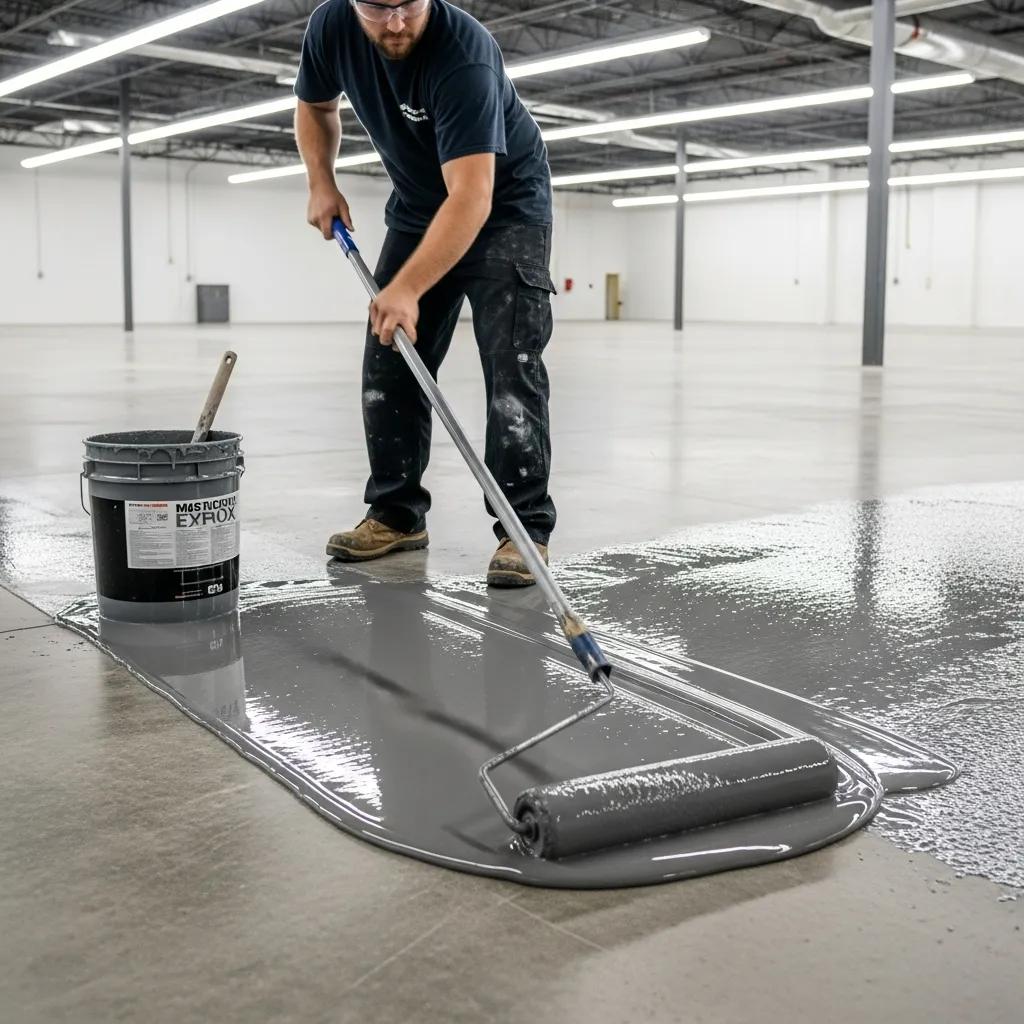
The application of epoxy flooring involves several critical steps to ensure a successful installation. Proper surface preparation is crucial, as it affects the adhesion and longevity of the flooring. The epoxy components, which include resin and hardener, must be mixed according to the manufacturer’s instructions to achieve the desired consistency and performance. The mixed epoxy can be applied using rollers, squeegees, or trowels, depending on the specific requirements of the project. Finally, allowing the epoxy to cure as per the manufacturer’s guidelines is essential for achieving optimal durability.
Maintenance Tips:
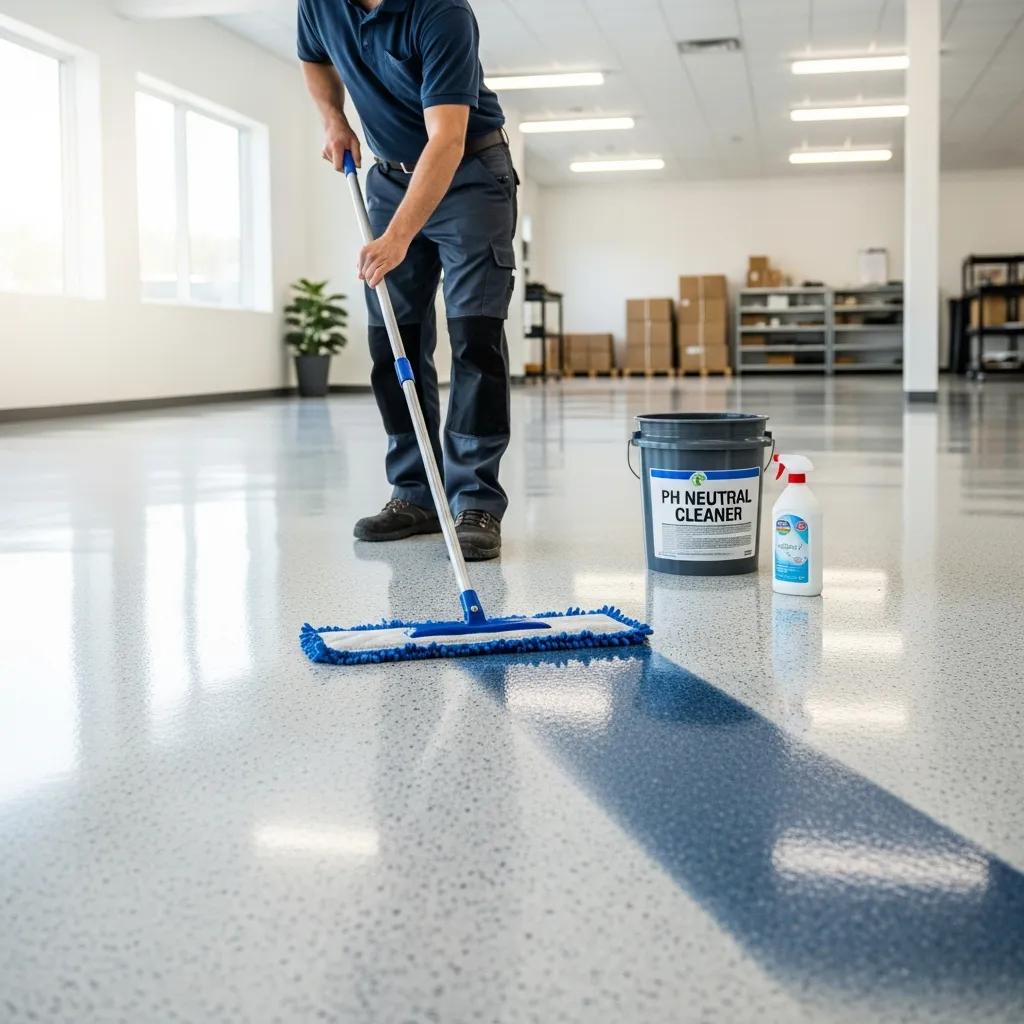
Maintaining epoxy flooring is relatively straightforward, but regular care is necessary to preserve its appearance and functionality. Here are some essential maintenance tips:
- Regular Cleaning: Sweep and mop the floor regularly to remove dirt and debris, preventing scratches and wear.
- Avoid Harsh Chemicals: Use pH-neutral cleaners to avoid damaging the epoxy surface, as harsh chemicals can degrade the finish.
- Inspect for Damage: Regularly check for any signs of wear or damage, addressing issues promptly to prevent further deterioration.
- Reapply Coatings: Consider reapplying a topcoat every few years to maintain the floor’s protective layer and aesthetic appeal.
Aesthetic Options:
Epoxy flooring comes in a wide range of aesthetic options, allowing property owners to customize their spaces. Some popular choices include:
- Color Choices: A variety of colors are available, enabling you to select a hue that complements your interior design.
- Flake and Chip Systems: Adding decorative flakes or chips can create a unique look, enhancing the visual texture of the floor.
- Metallic Finishes: Metallic epoxy finishes can provide a stunning visual effect, creating a high-end appearance.
- Textured Surfaces: Textured finishes can improve slip resistance, making them suitable for areas where safety is a concern.
Further emphasizing the versatility and robustness of these flooring solutions, industrial epoxy options offer extensive customization and superior resistance for demanding environments.
Custom Epoxy Flooring: Colors, Patterns & Durability
Industrial epoxy flooring remains a top choice for companies seeking robust, customizable solutions that enhance both functionality and visual appeal. Decorative flake can also be used to deliver a bolder color design. It’s the ideal flooring for high-traffic areas, offering superior resistance to chemicals, abrasions, and impacts, while providing a seamless, easy-to-clean surface.
Customizing Industrial Floors: Colors, Patterns, and Branding, 2025
What Are the Key Types of Epoxy and Concrete Coatings Available?
There are several types of epoxy and concrete coatings available, each designed for specific applications and environments. Here are some common types:
- Epoxy Paints: Durable and chemical-resistant, these paints offer strong adhesion and are suitable for various surfaces.
- Polyurethane Paints: Known for their excellent UV resistance and flexibility, these coatings are ideal for outdoor applications.
- Acrylic Paints: Good weather resistance and color retention make acrylic paints a popular choice for exterior surfaces.
- Alkyd Paints: Recognized for their durability and fast drying time, alkyd paints are often used in industrial settings.
Research highlights the advanced material properties that contribute to the high performance of these heavy-duty coatings, including their durability, gloss, and resistance.
Epoxy Coating Properties: Durability, Gloss, and Resistance
The uniqueness of alkyd resin, epoxy resin, and polyurethane nanocomposites has brought prominent recognition to the field of heavy-duty coating materials. This is expected due to the collaborative features of nano-sized materials such as the high surface area to volume ratio, great functionality per-unit space, extremely small sizes with high density, and that of alkyd resin, epoxy resin, and polyurethane (biodegradability, great gloss retention, adaptability, flexibility, durability, good drying properties, and weathering resistance).
Coating properties of alkyd resin, epoxy resins and polyurethane based nanocomposites:
A review, IH Ifijen, 2022
How Do Epoxy and Polyurethane Floor Coatings Differ?
Epoxy and polyurethane coatings are both popular choices for flooring, but they have distinct properties and applications. Epoxy coatings consist of an amine curing agent and an epoxy polymer, making them highly resistant to abrasion and weathering. They are commonly used in industrial settings where durability is paramount. In contrast, polyurethane coatings are recognized for their excellent UV resistance, making them suitable for outdoor applications where exposure to sunlight is a concern.
What Are the Benefits of Residential, Commercial, and Industrial Epoxy Floors?
Epoxy flooring offers unique benefits across different settings:
- Residential Settings: In homes, epoxy flooring provides a durable and attractive surface that can withstand daily wear and tear.
- Commercial Settings: For businesses, epoxy flooring is cost-effective and easy to maintain, making it an ideal choice for retail and office spaces.
- Industrial Settings: In industrial environments, epoxy floors offer safety and durability, withstanding heavy machinery and chemical spills.
How Is the Epoxy Flooring Installation Process Conducted?
The installation process for epoxy flooring involves several key steps:
- Preparation: The concrete surface must be cleaned and repaired to ensure proper adhesion.
- Mixing: The epoxy components are mixed according to the manufacturer’s specifications.
- Application: The mixed epoxy is applied evenly across the surface using appropriate tools.
- Curing: The floor must cure for the recommended time to achieve maximum strength and durability.
What Are the Essential Concrete Surface Preparation Techniques?
Proper surface preparation is critical for the success of epoxy flooring installation. Techniques include:
- Cleaning Methods: Thoroughly cleaning the surface to remove dirt, grease, and contaminants.
- Grinding Techniques: Using diamond grinders to create a rough surface for better adhesion.
- Shot Blasting: This method removes old coatings and prepares the surface for epoxy application.
What Steps Ensure Proper Curing and Durability of Garage Floor Coatings?
To ensure the durability of garage floor coatings, consider the following steps:
- Curing Timeframes: Allow the epoxy to cure for the recommended period, typically 24-48 hours, before using the space.
- Environmental Factors: Monitor temperature and humidity levels during the curing process, as extreme conditions can affect the outcome.
- Inspection Tips: Regularly inspect the floor for any signs of damage or wear, addressing issues promptly to maintain its integrity.
What Are the Maintenance Requirements and Longevity Expectations for Epoxy Floors?
Epoxy floors require minimal maintenance, but regular care is essential for longevity. Maintenance requirements include:
- Regular Cleaning: Keeping the surface clean to prevent dirt buildup.
- Longevity Expectations: With proper care, epoxy floors can last 10-20 years, depending on usage and maintenance.
- Common Issues: Addressing issues like scratches or discoloration promptly can extend the life of the flooring.
Understanding the broader implications of flooring upkeep, studies reveal that maintenance procedures significantly impact both the environmental footprint and overall economic cost of various flooring types.
Flooring Maintenance Impact: Costs & Environmental Scores
Maintenance procedures may account for a significant portion of environmental and economic impacts of floorings. In the case of environmental scores, adding high maintenance to the life cycle can increase scores by anywhere from 31 % (hardwood) to 114 % (carpet). A sensitivity analysis of these scores shows that most of the score increase can be attributed to vacuuming. Maintenance costs considerably increase the total cost, accounting for 49 % of hardwood’s total cost and about 30 % of costs for linoleum, vinyl, and carpet.
Impact of maintenance on life cycle impact and cost assessment for residential flooring options, 2015
How Can Floor Sealers and Regular Maintenance Extend Floor Life?
Using floor sealers and adhering to a regular maintenance schedule can significantly extend the life of epoxy floors. Benefits include:
- Benefits of Sealers: Sealers provide an additional protective layer, enhancing durability and resistance to stains.
- Maintenance Schedules: Establishing a routine cleaning and inspection schedule helps identify and address potential issues early.
- Inspection Routines: Regular inspections can catch wear and tear before they become significant problems.
What Are Common Issues and How to Address Them in Industrial and Residential Settings?
Common issues with epoxy flooring can arise in both industrial and residential settings. Here are some typical problems and solutions:
- Common Issues: Scratches, discoloration, and peeling can occur over time.
- Preventative Measures: Regular cleaning and avoiding harsh chemicals can help prevent damage.
- Repair Options: Minor scratches can be repaired with touch-up kits, while more significant damage may require reapplication of the epoxy.
Why Choose GetPro Painting for Your Epoxy Flooring and Concrete Coating Needs?
GetPro Painting stands out for its expertise in epoxy flooring and concrete coatings. With a proven track record in various painting services, they provide a wide range of solutions tailored to meet different needs. Their commitment to excellent customer service ensures that clients receive the best possible experience throughout their projects.
What Unique Value Does GetPro Painting Offer in Southeast Michigan?
In Southeast Michigan, GetPro Painting offers unique value through a combination of comprehensive services and local expertise. Their Certainty Service System emphasizes respect for property and consistent communication, ensuring that clients feel informed and valued throughout the process.
How Can You Request a Free Quote and Start Your Project?
To get started with your epoxy flooring project, you can easily request a free quote from GetPro Painting. Here’s how:
- Contact Methods: Reach out via phone at (734) 822-9595 or email at info@getpropainting.com.
- Information to Provide: Be prepared to share details about your project, including the type of flooring and any specific requirements.
- Consultation Scheduling: Schedule a consultation to discuss your needs and receive personalized recommendations.
Comments are closed